
 EN
EN
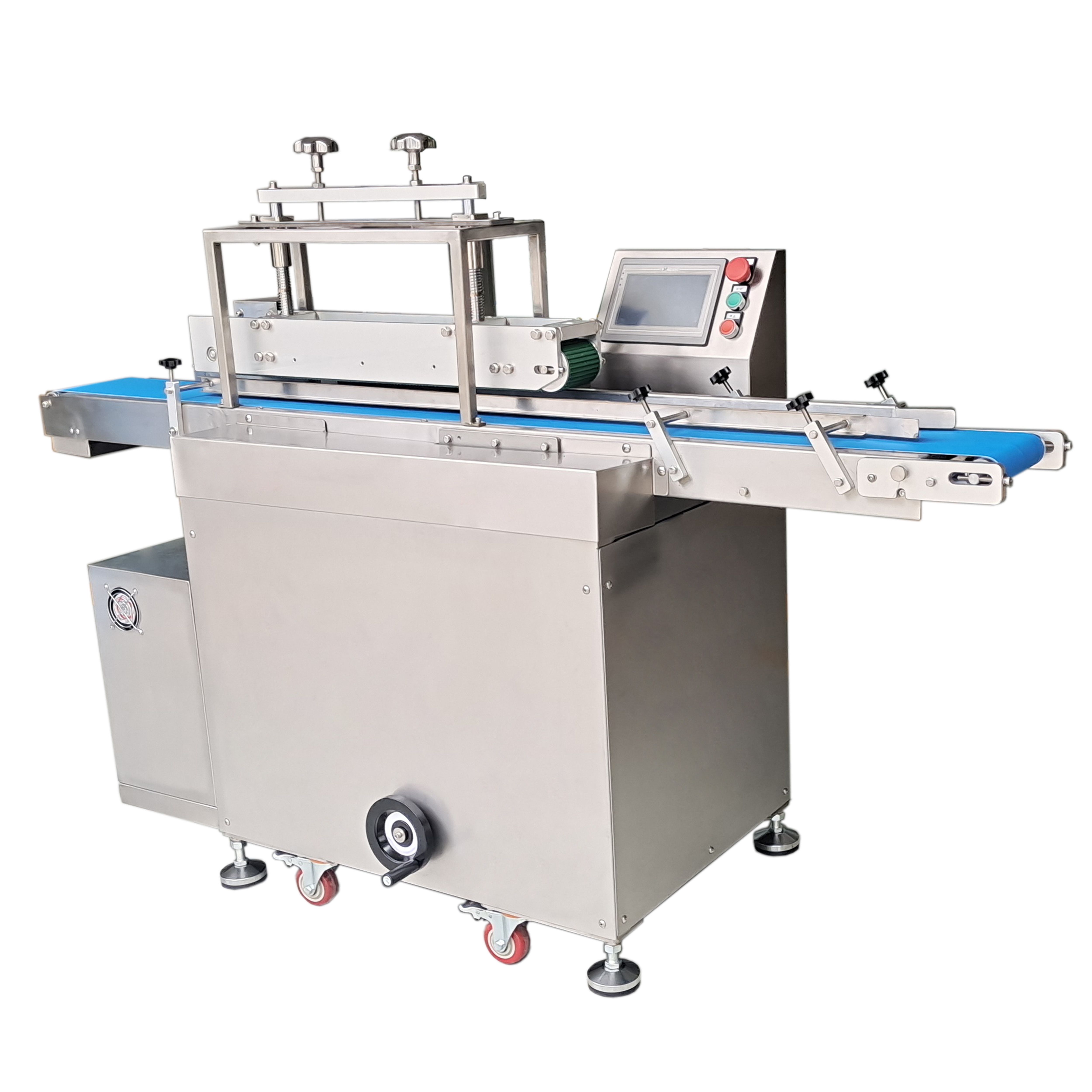
Proper maintenance and cleaning of commercial kitchen equipment ensures optimal performance, food safety, and longevity of your investment. A bread slicer represents a significant piece of equipment in bakeries, restaurants, and food service establishments that requires systematic care to maintain its precision cutting capabilities. Regular maintenance protocols not only prevent costly repairs but also ensure consistent slice quality that customers expect from professional establishments.
Understanding the mechanical components and cleaning requirements of your slicing equipment directly impacts operational efficiency and compliance with health department standards. Professional-grade slicers operate under demanding conditions, processing hundreds of loaves daily while maintaining precise thickness consistency. Implementing a comprehensive maintenance schedule protects your equipment investment while ensuring safe food handling practices throughout your operation.
Essential Daily Cleaning Procedures
Pre-Cleaning Safety Protocols
Safety must remain the primary concern when performing any maintenance on slicing equipment. Always disconnect the power source completely before beginning any cleaning procedures, ensuring no electrical current flows through the machine during maintenance activities. Remove the blade guard and any removable components according to manufacturer specifications, keeping track of hardware placement for proper reassembly.
Inspect the blade condition before cleaning, checking for chips, cracks, or excessive wear that could compromise cutting performance or create safety hazards. Document any visible damage in your maintenance log and replace damaged blades immediately to prevent injury and maintain slice quality standards. Proper blade inspection prevents accidents and ensures consistent cutting results throughout daily operations.
Surface Cleaning Techniques
Begin surface cleaning by removing all visible bread crumbs and debris from the cutting area, using a soft brush or vacuum specifically designed for food service equipment. Apply food-safe sanitizing solution to all contact surfaces, allowing sufficient contact time as specified by your sanitizer manufacturer. Wipe down the entire unit with clean, lint-free cloths, paying special attention to areas where crumbs and residue typically accumulate.
Clean the bread carriage mechanism thoroughly, ensuring smooth operation by removing any accumulated flour or debris that could interfere with the sliding motion. Lubricate moving parts according to manufacturer recommendations, using only food-grade lubricants approved for commercial kitchen equipment. Regular lubrication prevents mechanical wear and ensures consistent carriage movement during slicing operations.
Weekly Deep Maintenance Tasks
Blade Sharpening and Adjustment
Professional blade maintenance requires specific tools and techniques to maintain optimal cutting performance throughout extended use periods. Remove the blade assembly completely, following manufacturer disassembly procedures to access the cutting edge safely. Inspect the blade for proper alignment and tension, making adjustments as needed to ensure uniform cutting pressure across the entire blade length.
Sharpen blades using appropriate sharpening stones or professional sharpening services, maintaining the original blade angle specifications provided by the equipment manufacturer. A properly maintained bread slicer blade should produce clean, consistent cuts without crushing or tearing the bread structure. Test blade sharpness after maintenance by slicing test samples and evaluating cut quality before returning the unit to service.
Mechanical Component Inspection
Examine all mechanical components for signs of wear, including bearings, drive belts, and motor connections that support daily slicing operations. Check belt tension and alignment, adjusting as necessary to prevent slippage or premature wear that could affect cutting consistency. Inspect electrical connections for corrosion or looseness, tightening connections and cleaning contact points to ensure reliable operation.
Verify proper operation of safety switches and emergency stops, testing each mechanism to ensure immediate equipment shutdown when activated. Replace worn gaskets and seals that could allow debris infiltration or compromise sanitary conditions within the equipment housing. Document all inspection findings and maintenance actions in your equipment log for future reference and warranty compliance.
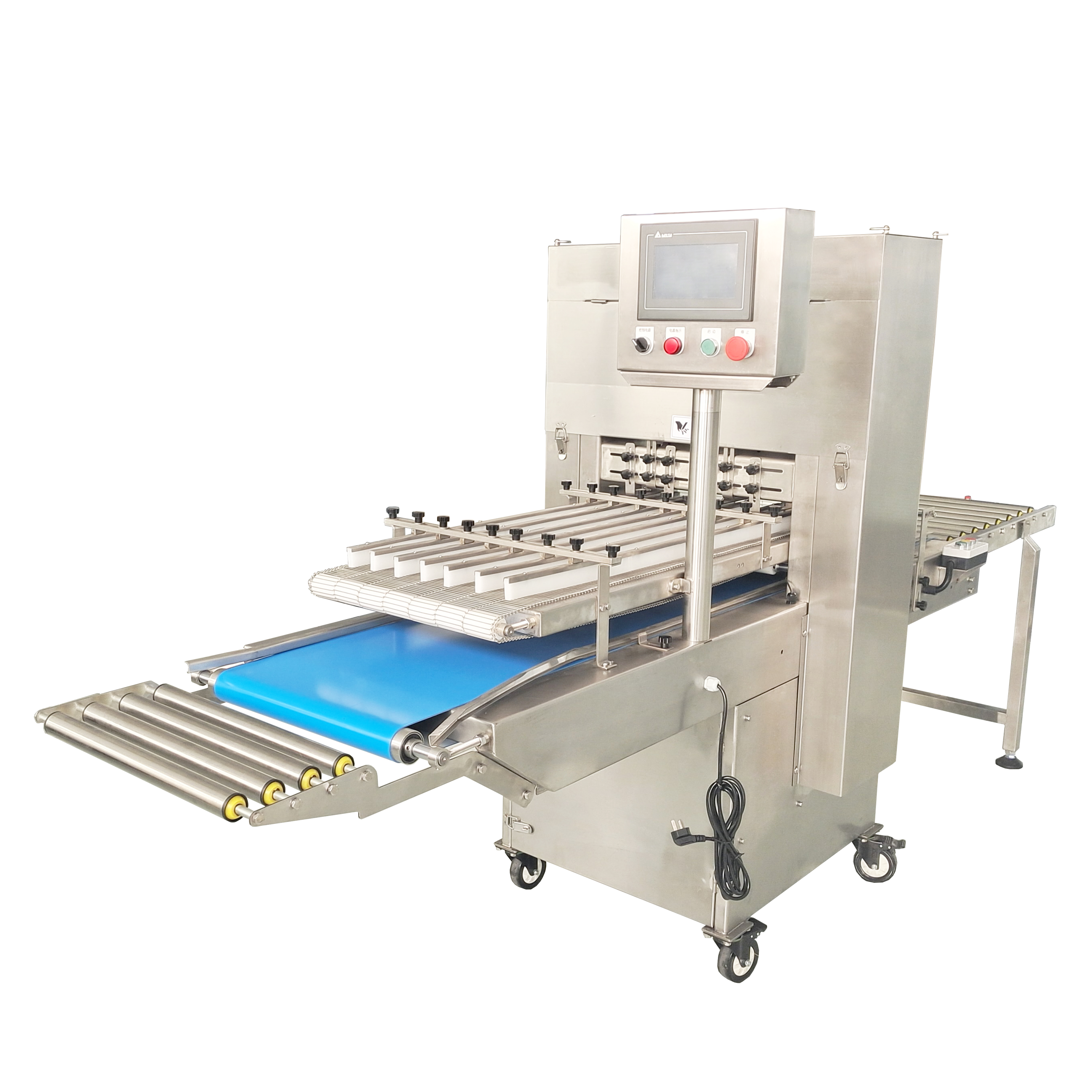
Monthly Comprehensive Maintenance
Motor and Drive System Service
Monthly motor maintenance includes checking carbon brushes, cleaning air intake filters, and verifying proper motor mounting alignment to prevent vibration issues. Remove accumulated debris from motor housing ventilation openings, ensuring adequate airflow for optimal cooling during extended operation periods. Test motor performance under load conditions, monitoring for unusual noises or vibrations that could indicate developing mechanical problems.
Inspect drive system components including gears, chains, and coupling mechanisms for proper lubrication and alignment specifications. Replace worn drive components before failure occurs, preventing unexpected downtime during peak service periods. Calibrate slice thickness settings using precision measurement tools, ensuring accuracy across all available thickness options for consistent customer service.
Electrical System Verification
Conduct comprehensive electrical system testing using appropriate multimeters and testing equipment to verify proper voltage and current flow throughout all circuits. Inspect wiring harnesses for damage, wear, or improper connections that could create safety hazards or operational failures. Test ground fault protection systems and verify proper operation of all safety interlocks designed to protect operators during equipment use.
Clean electrical control panels and switches using appropriate electronic cleaning solvents, removing accumulated grease and debris that could interfere with proper switch operation. Check timer settings and automatic features for proper calibration, adjusting parameters as needed to maintain consistent operation cycles. Document electrical system test results and any adjustments made during maintenance activities.
Troubleshooting Common Issues
Addressing Cutting Performance Problems
Uneven slicing typically results from blade misalignment, worn guide mechanisms, or improper bread positioning within the carriage system. Evaluate blade condition and alignment first, as dull or damaged blades cannot produce consistent results regardless of other system conditions. Check carriage guides for wear or debris accumulation that could prevent smooth, straight movement during the cutting cycle.
Thickness inconsistency often indicates problems with the adjustment mechanism or worn positioning components that require immediate attention. Calibrate thickness settings using known measurement standards, adjusting mechanical stops and positioning guides to achieve accurate results. Replace worn adjustment components that cannot maintain precise positioning throughout the slicing range.
Resolving Mechanical Malfunctions
Motor starting problems frequently stem from electrical issues, overload conditions, or worn mechanical components that increase operational resistance. Check power supply voltage and current draw during startup, comparing readings to manufacturer specifications for proper operation parameters. Inspect mechanical drive components for binding or excessive resistance that could prevent normal motor operation.
Unusual noise or vibration indicates mechanical wear, misalignment, or loose mounting hardware that requires immediate investigation and correction. Identify noise sources through systematic component isolation, testing individual mechanisms to locate specific problem areas. Tighten mounting hardware and replace worn bearings or bushings that contribute to operational noise and vibration issues.
Safety and Compliance Standards
Food Safety Requirements
Commercial slicing equipment must comply with strict food safety regulations including proper sanitization procedures and material compatibility standards for direct food contact. Use only approved cleaning chemicals and sanitizers specifically designed for food service equipment, following manufacturer concentration and contact time recommendations. Maintain detailed cleaning logs documenting sanitization procedures and chemical concentrations used during each cleaning cycle.
Implement temperature monitoring protocols for equipment surfaces and storage areas, ensuring compliance with local health department requirements for food contact equipment. Train all operators on proper food safety procedures including hand washing, glove usage, and cross-contamination prevention techniques. Regular food safety audits help identify potential compliance issues before health department inspections occur.
Workplace Safety Protocols
Establish comprehensive safety training programs covering proper equipment operation, emergency procedures, and accident prevention techniques for all personnel operating slicing equipment. Post clear safety instructions and emergency contact information near equipment locations, ensuring immediate access during emergency situations. Provide appropriate personal protective equipment including cut-resistant gloves and safety glasses for maintenance activities.
Develop lockout-tagout procedures for maintenance activities, preventing accidental equipment startup during servicing operations. Install appropriate safety guards and emergency stop devices according to OSHA requirements and manufacturer recommendations. Conduct regular safety meetings reviewing proper procedures and addressing any safety concerns raised by operating personnel.
FAQ
How often should bread slicer blades be replaced
Blade replacement frequency depends on usage volume and maintenance quality, but most commercial operations require blade replacement every 3-6 months under normal conditions. High-volume operations processing hundreds of loaves daily may need more frequent replacement, while smaller operations might extend blade life through proper maintenance. Monitor slice quality closely and replace blades when cutting performance degrades despite proper sharpening attempts.
What cleaning chemicals are safe for bread slicing equipment
Use only food-safe sanitizers and cleaners specifically approved for direct food contact surfaces, avoiding harsh chemicals that could damage equipment finishes or leave harmful residues. Quaternary ammonium compounds and chlorine-based sanitizers work effectively when used at proper concentrations and contact times. Always rinse thoroughly after chemical cleaning and allow complete air drying before returning equipment to service.
Can I sharpen bread slicer blades myself
While basic blade maintenance can be performed in-house with proper tools and training, professional sharpening services often provide superior results and extend blade life significantly. Improper sharpening techniques can damage blade geometry and create safety hazards during operation. Consider professional services for major sharpening while maintaining blades between services using appropriate honing techniques and equipment.
What should I do if my bread slicer stops working suddenly
First ensure power connections are secure and circuit breakers have not tripped due to electrical overload conditions. Check for obvious mechanical obstructions or jammed components that could prevent normal operation. If basic troubleshooting does not resolve the issue, contact qualified service technicians rather than attempting complex repairs that could void warranties or create safety hazards.