
 EN
EN
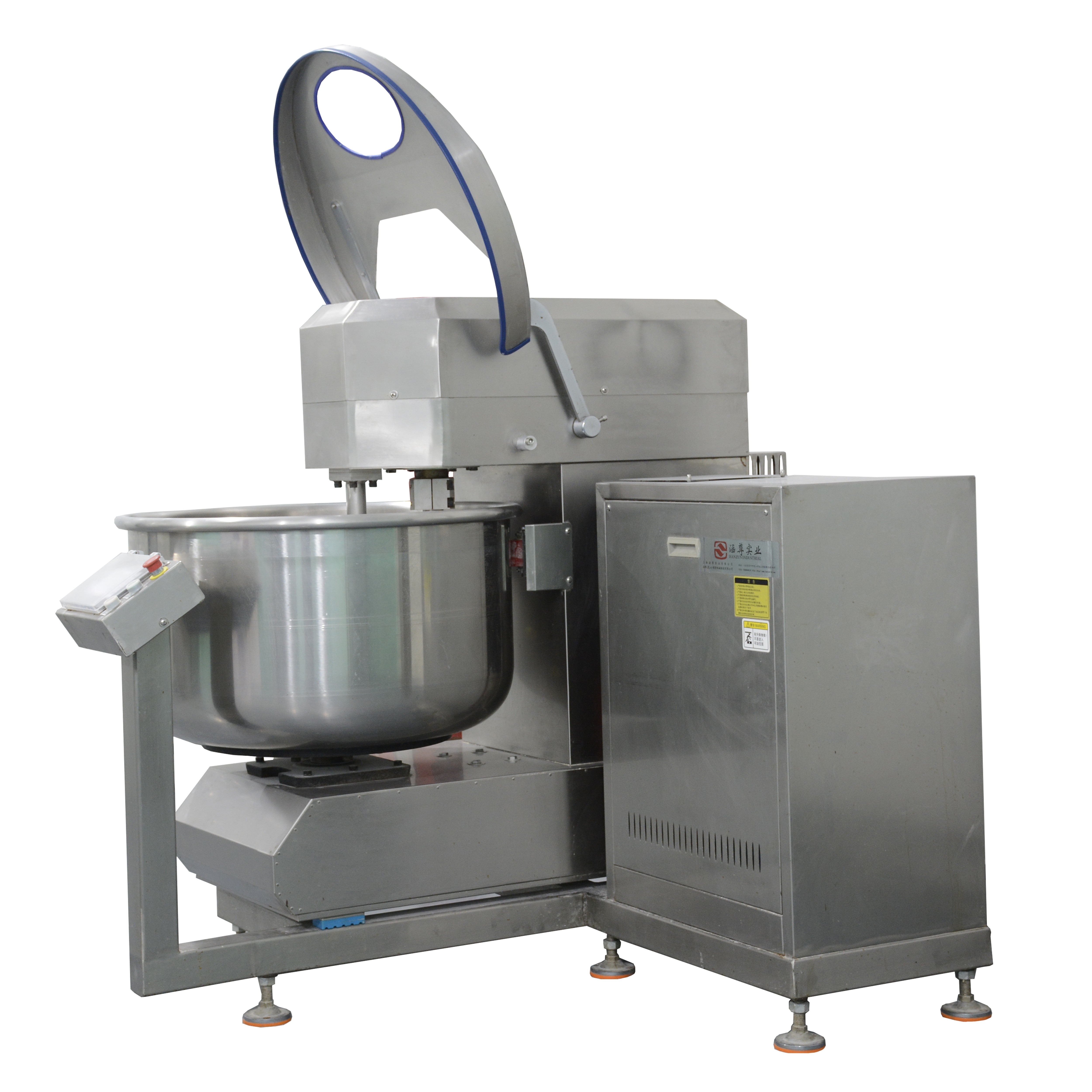
The bakery industry has witnessed tremendous growth over the past decade, with artisanal and commercial bakeries expanding their operations to meet increasing consumer demand. For bakery owners looking to scale their business effectively, investing in specialized equipment becomes crucial for maintaining quality while increasing production capacity. Modern bakery machinery offers solutions that streamline operations, reduce labor costs, and ensure consistent product quality across large-scale production runs. Understanding how advanced equipment can transform your bakery operations is essential for making informed decisions about business expansion and long-term profitability.
Understanding Modern Bakery Equipment Technology
Advanced Automation Features
Contemporary bakery equipment incorporates sophisticated automation systems that significantly reduce manual labor requirements while improving production consistency. These machines feature programmable controls that allow operators to set precise parameters for temperature, timing, and mixing speeds. The integration of digital interfaces enables bakeries to store multiple recipes and switch between different products seamlessly. This technological advancement ensures that each batch meets exact specifications, eliminating variations that could affect product quality or customer satisfaction.
Automation also extends to monitoring systems that track production metrics in real-time. Operators can identify potential issues before they impact production, minimizing downtime and waste. The data collected through these systems provides valuable insights into production efficiency, helping bakery owners optimize their processes and identify areas for improvement. This level of control and monitoring was previously impossible with traditional manual methods, making modern equipment an essential investment for scaling operations.
Energy Efficiency and Cost Management
Modern bakery machines are designed with energy efficiency as a primary consideration, incorporating advanced insulation, efficient heating elements, and smart power management systems. These features significantly reduce operational costs, which is particularly important when scaling production volumes. Energy-efficient equipment not only lowers utility bills but also reduces the environmental impact of bakery operations, aligning with growing consumer preferences for sustainable business practices.
The initial investment in energy-efficient equipment often pays for itself through reduced operating costs over time. Additionally, many regions offer incentives or rebates for businesses that invest in energy-efficient machinery, further improving the return on investment. For bakeries planning to scale their operations, choosing equipment with superior energy efficiency ratings ensures long-term cost control and operational sustainability.
Production Capacity and Throughput Optimization
Scalable Production Systems
Specialized production equipment like a bagel production line demonstrates how targeted machinery can dramatically increase throughput while maintaining product quality. These systems are designed to handle multiple stages of production simultaneously, from dough preparation through shaping, boiling, and baking. The continuous flow design eliminates bottlenecks that typically occur in manual or semi-automated operations, allowing bakeries to produce hundreds or thousands of units per hour depending on the system configuration.
The modular design of modern production lines allows bakeries to start with essential components and add modules as their business grows. This scalability ensures that the initial investment aligns with current production needs while providing a clear path for future expansion. Bakery owners can gradually increase their capacity without completely replacing their equipment, making the scaling process more financially manageable and less disruptive to ongoing operations.
Quality Consistency at Scale
Maintaining consistent product quality becomes increasingly challenging as production volumes increase, but specialized equipment addresses this concern through precise control mechanisms. Advanced mixing systems ensure uniform dough consistency, while automated shaping equipment produces products with identical dimensions and characteristics. Temperature control systems maintain optimal conditions throughout the production process, preventing variations that could affect texture, flavor, or appearance.
Quality consistency is particularly important for bakeries supplying commercial clients or operating multiple locations, where brand reputation depends on delivering identical products regardless of volume or location. Automated systems eliminate human error and fatigue factors that can introduce inconsistencies in manual production methods. This reliability allows bakeries to confidently accept larger orders and expand their market reach without compromising their quality standards.
Labor Efficiency and Workforce Management
Reducing Manual Labor Requirements
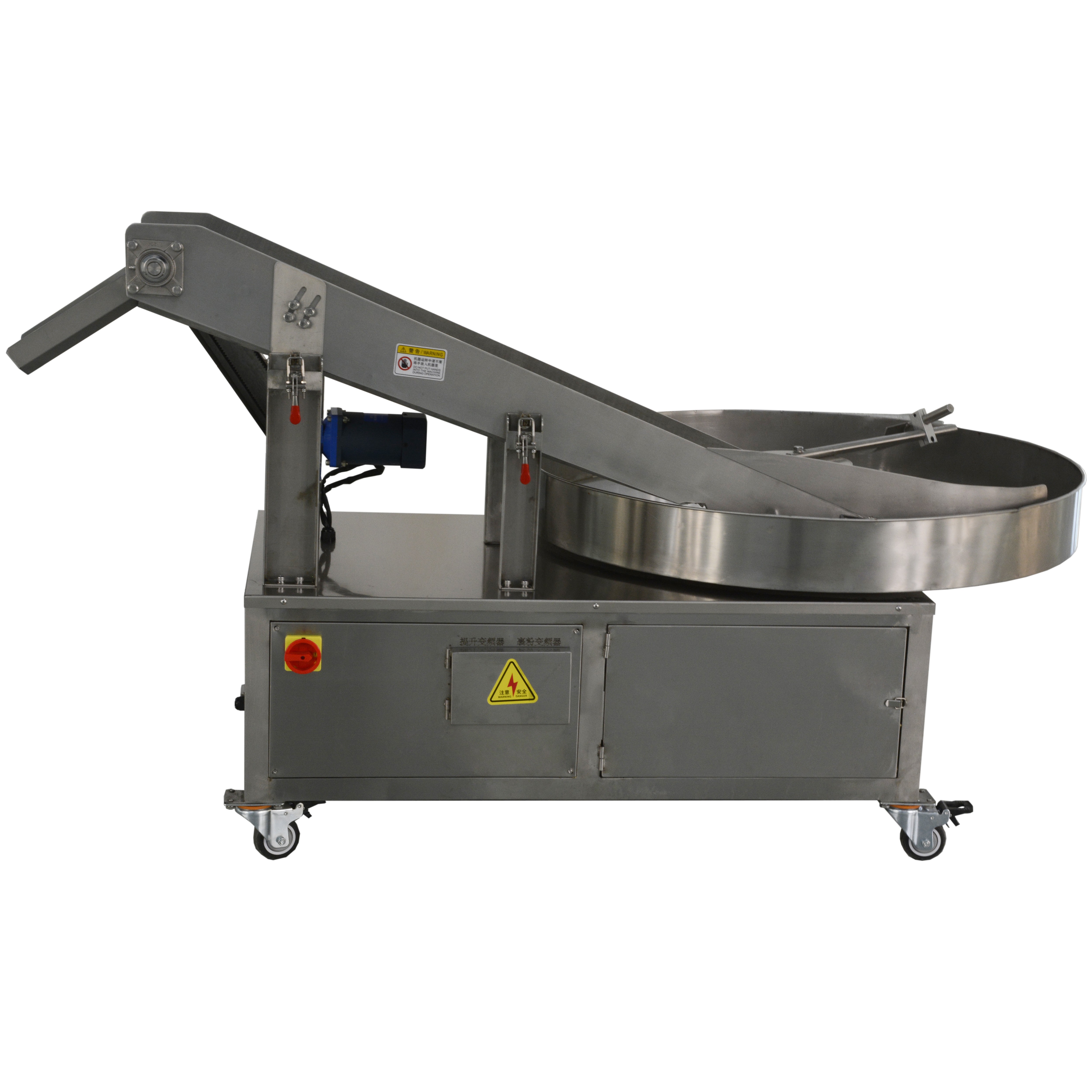
One of the most significant advantages of modern bakery equipment is its ability to reduce manual labor requirements without sacrificing production quality or speed. Automated systems handle repetitive tasks such as dough mixing, portioning, shaping, and packaging, allowing skilled bakers to focus on recipe development, quality control, and customer service. This redistribution of human resources improves overall productivity while reducing the physical demands on workers.
Labor cost reduction is particularly important for bakeries operating in regions with high minimum wages or labor shortages. By investing in equipment that automates routine tasks, bakeries can maintain production levels with fewer staff members, improving profit margins and operational flexibility. Additionally, reduced reliance on manual labor makes businesses less vulnerable to staffing challenges and provides more predictable operating costs for financial planning purposes.
Training and Skill Development
While modern equipment reduces the need for manual labor, it creates opportunities for workforce development in technical areas such as equipment operation, maintenance, and quality control. Training programs for advanced bakery equipment typically require less time than traditional baking apprenticeships, allowing businesses to onboard new employees more quickly. This efficiency in training helps bakeries maintain adequate staffing levels during expansion phases.
Employees who develop technical skills in equipment operation and maintenance become more valuable assets to the business, often leading to improved job satisfaction and retention rates. The specialized knowledge required to operate sophisticated bakery equipment also provides career advancement opportunities for workers, creating a more motivated and skilled workforce. This human capital development supports long-term business growth and operational stability.
Market Expansion and Business Growth Strategies
Meeting Commercial Client Requirements
Commercial clients such as restaurants, hotels, and retail chains typically require suppliers who can deliver consistent quality products in substantial quantities with reliable delivery schedules. Specialized bakery equipment enables small and medium-sized bakeries to compete for these lucrative contracts by demonstrating their ability to meet large-scale production requirements. The consistency and reliability provided by automated systems give clients confidence in the bakery's ability to fulfill ongoing supply agreements.
Establishing relationships with commercial clients often leads to steady, predictable revenue streams that support business expansion and equipment financing. These partnerships also provide opportunities to develop new products specifically tailored to commercial applications, potentially opening additional market segments. The ability to serve both retail and commercial markets simultaneously diversifies revenue sources and reduces business risk associated with market fluctuations.
Geographic Expansion Opportunities
Modern bakery equipment facilitates geographic expansion by enabling consistent production methods across multiple locations. Standardized equipment and processes ensure that products maintain identical characteristics regardless of where they are produced, supporting brand consistency for multi-location operations. This consistency is essential for franchising opportunities or establishing satellite production facilities to serve new markets.
The portability and standardization of modern equipment also simplify the process of establishing new production facilities. Training programs for equipment operation can be standardized and deployed across multiple locations, reducing the complexity and cost of expansion. Additionally, centralized procurement of equipment and maintenance services provides economies of scale that improve the profitability of multi-location operations.
Financial Planning and Investment Considerations
Return on Investment Analysis
Calculating the return on investment for bakery equipment requires careful analysis of multiple factors including increased production capacity, labor cost savings, energy efficiency improvements, and quality consistency benefits. Most modern bakery systems provide detailed production data that helps owners track actual performance against projected returns. This data-driven approach to investment analysis ensures that equipment purchases align with business objectives and financial capabilities.
The payback period for specialized equipment varies depending on production volume increases and cost savings achieved, but most bakeries see positive returns within two to four years of installation. Higher-volume operations typically achieve faster payback periods due to the greater impact of efficiency improvements on overall profitability. Long-term financial benefits often extend well beyond the initial payback period, providing ongoing competitive advantages and profit improvements.
Financing Options and Leasing Arrangements
Various financing options are available for bakery equipment purchases, including traditional bank loans, equipment-specific financing, and leasing arrangements. Each option offers different advantages depending on the business's financial situation and cash flow requirements. Leasing arrangements often provide lower initial costs and include maintenance services, while purchase financing builds equity and may offer tax advantages through depreciation schedules.
Government programs and industry associations sometimes offer special financing programs for small businesses investing in modern equipment, particularly those focused on energy efficiency or job creation. These programs can significantly reduce the cost of capital for equipment purchases, improving the overall return on investment. Working with financing specialists who understand the bakery industry helps ensure that businesses choose the most appropriate financing structure for their specific situation.
FAQ
What factors should I consider when selecting bakery equipment for scaling my business
When selecting bakery equipment for business scaling, consider your current production volume, target capacity increases, available floor space, and budget constraints. Evaluate the equipment's energy efficiency, maintenance requirements, and compatibility with your existing processes. Additionally, assess the manufacturer's reputation, warranty terms, and availability of local service support to ensure long-term operational reliability.
How long does it typically take to see return on investment from new bakery equipment
Most bakeries see return on investment from new equipment within 2-4 years, depending on production volume increases and operational efficiency gains. Higher-volume operations typically achieve faster payback periods due to greater cost savings and revenue increases. Factors affecting ROI timeline include labor cost reductions, energy savings, increased production capacity, and improved product quality leading to higher sales.
Can I start with basic equipment and upgrade gradually as my business grows
Yes, many modern bakery equipment systems feature modular designs that allow gradual expansion. Start with essential components and add modules as production demands increase. This approach helps manage initial capital investment while providing a clear upgrade path. Ensure that your chosen equipment manufacturer offers compatible expansion modules and that your facility has adequate space and utilities for future additions.
What maintenance requirements should I expect with automated bakery equipment
Automated bakery equipment typically requires daily cleaning, weekly lubrication, and periodic professional maintenance depending on usage levels. Most manufacturers provide detailed maintenance schedules and training programs for operators. Regular maintenance is crucial for ensuring consistent performance, extending equipment life, and maintaining food safety standards. Budget for ongoing maintenance costs and consider service contracts for complex systems to minimize unexpected downtime.
Table of Contents
- Understanding Modern Bakery Equipment Technology
- Production Capacity and Throughput Optimization
- Labor Efficiency and Workforce Management
- Market Expansion and Business Growth Strategies
- Financial Planning and Investment Considerations
-
FAQ
- What factors should I consider when selecting bakery equipment for scaling my business
- How long does it typically take to see return on investment from new bakery equipment
- Can I start with basic equipment and upgrade gradually as my business grows
- What maintenance requirements should I expect with automated bakery equipment