
 EN
EN
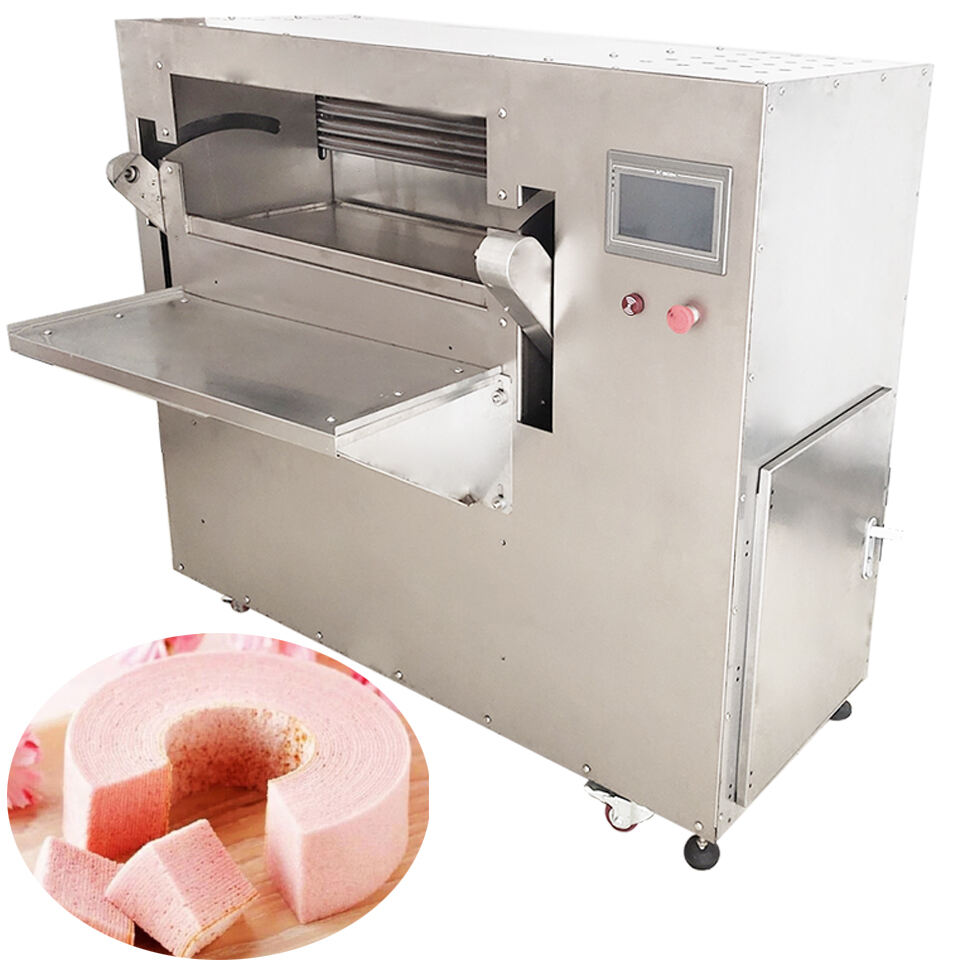
Baumkuchen stands as one of the most distinctive and visually striking cakes in the confectionery world, renowned for its unique ring-like layers that resemble the growth rings of a tree trunk. This German-origin pastry has captured hearts globally, particularly in Japan where it has become a beloved specialty dessert. The intricate process of creating baumkuchen requires specialized equipment and exceptional skill, making it a true testament to the art of baking. Understanding what makes this cake so special involves exploring its rich history, complex preparation methods, and the cultural significance it has gained across different continents.
Origins and Cultural Heritage of Baumkuchen
German Roots and Traditional Development
The baumkuchen tradition traces its origins back to ancient Germanic baking practices, where resourceful bakers discovered methods to create layered cakes using rotating spits over open fires. Historical records suggest that early versions of this distinctive cake emerged in the Baden-Württemberg region of Germany during the medieval period. The name itself translates directly to tree cake, perfectly capturing the essence of its appearance with concentric rings that mirror natural tree growth patterns. German bakers developed specialized techniques for applying thin layers of batter to rotating cylinders, gradually building up the characteristic striped appearance that defines authentic baumkuchen.
Traditional German baumkuchen preparation involved considerable manual skill and patience, as bakers had to carefully control temperature and timing while continuously rotating the cake over heat sources. The process required precise coordination between multiple craftsmen, with one person managing the fire, another applying batter layers, and a third monitoring the browning process. This collaborative approach to baumkuchen creation fostered a strong artisanal culture around the dessert, establishing quality standards that persist in modern production methods.
Cultural Migration to Japan
The introduction of baumkuchen to Japanese culinary culture occurred in the early 20th century through German confectioner Karl Juchheim, who brought his expertise to Japan after World War I. Juchheim established the first commercial baumkuchen production facility in Yokohama, adapting traditional German techniques to suit Japanese tastes and ingredient preferences. The cake quickly gained popularity among Japanese consumers who appreciated both its visual appeal and delicate flavor profile, leading to widespread adoption across the country.
Japanese bakers embraced baumkuchen production with characteristic precision and innovation, developing new flavor variations and refining production techniques to achieve even more consistent quality. The dessert became particularly associated with special occasions and gift-giving traditions in Japan, where its circular shape symbolized prosperity and continuity. Modern Japanese baumkuchen often incorporates local ingredients such as matcha, yuzu, and premium butter, creating unique fusion varieties that maintain the traditional preparation method while introducing distinctly Japanese flavor elements.
Essential Ingredients and Equipment Requirements
Core Ingredient Components
Creating authentic baumkuchen requires a carefully balanced selection of high-quality ingredients that contribute to both flavor development and structural integrity. The foundation consists of eggs, butter, sugar, and flour in precise proportions that allow for proper layering without compromising the delicate texture. Premium European butter provides essential richness and helps achieve the golden coloration that characterizes well-made baumkuchen, while fresh eggs contribute to the cake's binding properties and overall moisture content.
Additional ingredients such as vanilla extract, almond flour, and specialized cake flour enhance flavor complexity and improve the batter's consistency for optimal application during the rotating process. Some contemporary baumkuchen recipes incorporate cornstarch or potato starch to achieve lighter textures, while others utilize specific sugar types like superfine caster sugar that dissolve more completely during mixing. The quality and freshness of ingredients directly impact the final product's taste and appearance, making ingredient selection crucial for successful baumkuchen production.
Specialized Production Equipment
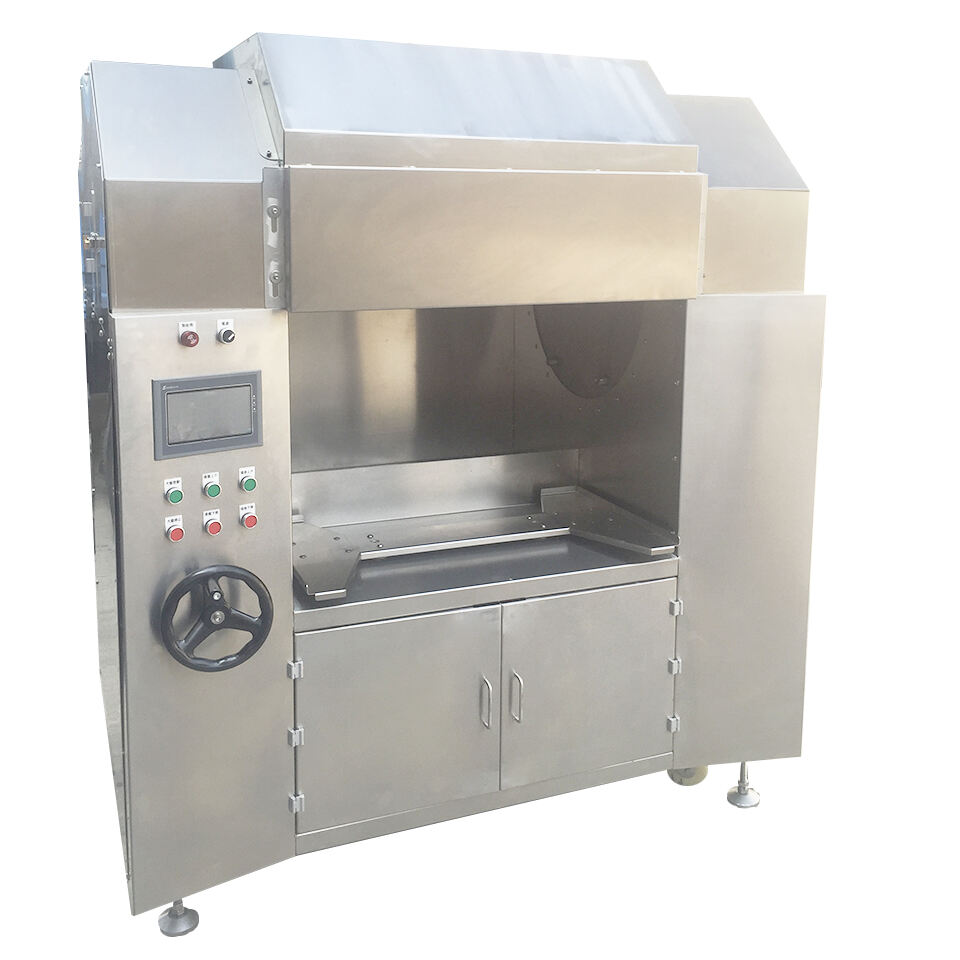
Professional baumkuchen production relies heavily on specialized rotating ovens designed specifically for layered cake creation, featuring precise temperature controls and adjustable rotation speeds. These machines typically consist of a rotating spit or cylinder surrounded by heating elements that provide consistent, controllable heat distribution around the entire circumference. The baumkuchen production process demands equipment capable of maintaining steady temperatures between 200-250°C while ensuring smooth, continuous rotation at optimal speeds.
Modern baumkuchen makers incorporate digital controls, automated batter dispensing systems, and integrated timing mechanisms that help maintain consistency across multiple production cycles. Some advanced units feature programmable settings for different cake sizes and layer thicknesses, allowing bakers to customize their products according to specific requirements. The investment in proper equipment proves essential for commercial operations, as manual methods cannot achieve the precision and consistency demanded by modern quality standards.
Step-by-Step Production Process
Batter Preparation and Mixing Techniques
The baumkuchen production process begins with meticulous preparation of a smooth, lump-free batter that will adhere properly to the rotating surface while maintaining consistent thickness throughout application. Initial steps involve creaming butter and sugar to achieve proper aeration, followed by gradual incorporation of eggs to prevent curdling or separation. The mixing process requires careful attention to temperature control, as ingredients should remain at optimal room temperature to ensure proper emulsification and smooth texture development.
Professional bakers typically employ stand mixers with paddle attachments for initial creaming stages, then switch to whisk attachments for final batter incorporation to achieve the ideal consistency for layer application. The finished batter should flow smoothly from a spoon while maintaining enough body to adhere to the rotating cylinder without dripping excessively. Quality control during mixing involves regular consistency checks and adjustments to ensure the batter will produce uniform layers throughout the extended baking process.
Layer Application and Baking Methodology
The actual baumkuchen creation process involves applying thin layers of batter to a rotating cylinder, allowing each layer to brown slightly before adding the next application. This technique requires precise timing and consistent batter application to achieve the characteristic ring pattern that defines quality baumkuchen. Experienced bakers develop intuitive understanding of proper layer timing, recognizing visual cues that indicate readiness for subsequent batter applications.
Temperature management proves critical throughout the layering process, as excessive heat can cause burning while insufficient temperatures result in poor layer adhesion and irregular browning patterns. Professional production typically involves 15-20 individual layer applications, with each cycle taking approximately 2-3 minutes depending on equipment specifications and desired layer thickness. The gradual building process creates natural tension within the cake structure that contributes to the distinctive texture and appearance of finished baumkuchen products.
Variations and Modern Innovations
Flavor Enhancement Options
Contemporary baumkuchen production has expanded far beyond traditional vanilla preparations to include numerous flavor variations that cater to diverse consumer preferences while maintaining the essential structural characteristics of the original cake. Popular variations include chocolate baumkuchen created by incorporating cocoa powder into the batter, matcha versions featuring premium green tea powder, and fruit-flavored options utilizing natural extracts and purees. These flavor modifications require careful adjustment of liquid ratios and mixing techniques to preserve the batter consistency necessary for proper layer formation.
Seasonal baumkuchen varieties have become particularly popular in Japanese markets, with limited-edition flavors featuring ingredients like sakura, chestnuts, and citrus fruits appearing during appropriate times of year. Professional bakers experiment with compound flavors that combine multiple elements, such as chocolate-orange or vanilla-rum combinations that create complex taste profiles while maintaining visual appeal. The challenge in flavor innovation lies in balancing taste enhancement with technical requirements for successful layer formation and structural integrity.
Production Scale Adaptations
Modern baumkuchen production has evolved to accommodate both artisanal small-batch operations and large-scale commercial manufacturing, with equipment and techniques adapted to suit different production volumes and quality standards. Small specialty bakeries often utilize compact rotating ovens designed for limited production runs, focusing on premium ingredients and handcrafted quality that commands higher prices in niche markets. These operations emphasize traditional methods while incorporating modern temperature controls and timing systems for consistent results.
Industrial baumkuchen production employs automated systems capable of producing multiple cakes simultaneously, with computer-controlled batter dispensing, precise timing mechanisms, and integrated quality monitoring systems. Large-scale operations have developed standardized recipes and processes that ensure consistency across thousands of units while maintaining the essential characteristics that define quality baumkuchen. The scalability of production methods has made this traditionally artisanal product accessible to broader consumer markets while preserving its distinctive appeal and cultural significance.
Quality Control and Finishing Techniques
Assessment Standards and Criteria
Professional baumkuchen evaluation involves comprehensive assessment of multiple quality factors including layer definition, moisture content, color consistency, and structural integrity throughout the finished product. Quality control specialists examine cross-sections to verify proper ring formation, checking for uniform layer thickness, appropriate browning gradation, and absence of air pockets or separation between layers. The ideal baumkuchen displays clearly defined concentric circles with consistent coloration that gradually transitions from golden exterior layers to lighter interior rings.
Texture evaluation focuses on achieving optimal moisture balance that provides tenderness without compromising structural stability, allowing clean slicing without crumbling or excessive density. Professional standards require baumkuchen to maintain its shape integrity during cutting while offering pleasant mouthfeel characterized by subtle sweetness and delicate flavor release. Consistency across production batches demands rigorous monitoring of ingredient ratios, timing parameters, and environmental factors that influence final product quality.
Finishing and Presentation Methods
Final preparation of baumkuchen involves careful trimming to remove irregular edges and create uniform cylindrical shapes suitable for slicing and presentation. Professional finishing techniques include application of glazes, powdered sugar dusting, or decorative coatings that enhance visual appeal while preserving the cake's moisture content. Some premium versions receive chocolate ganache coatings or fondant applications that provide additional flavor layers and extended shelf life.
Packaging considerations for baumkuchen require attention to moisture retention and structural protection during transportation and storage. Commercial producers utilize specialized containers designed to prevent crushing while maintaining optimal humidity levels that preserve texture quality. Gift packaging often emphasizes the cultural significance and artisanal nature of baumkuchen production, with elegant presentation materials that reflect the premium positioning of quality products in competitive markets.
FAQ
How long does it take to make a complete baumkuchen?
A traditional baumkuchen typically requires 45 minutes to 1.5 hours of active baking time, depending on the desired number of layers and the size of the final product. The process involves applying 15-20 individual layers, with each layer requiring 2-3 minutes of baking before the next application. Additional time is needed for batter preparation, equipment setup, and cooling, making the total production time approximately 2-3 hours from start to finish. Professional operations using automated equipment can reduce active production time while maintaining quality standards.
What makes baumkuchen different from regular layer cakes?
Baumkuchen differs fundamentally from conventional layer cakes in its construction method and final appearance, created through a rotating baking process that builds concentric layers rather than stacking separate cake layers. The unique production technique creates natural tree-ring patterns throughout the cake's cross-section, while the continuous baking process produces distinctive texture characteristics that combine tenderness with structural stability. Unlike traditional layer cakes that use frosting between separate components, baumkuchen achieves its layered appearance through gradual batter application during the baking process itself.
Can baumkuchen be made without specialized equipment?
While authentic baumkuchen requires rotating equipment for proper layer formation, simplified versions can be created using conventional ovens with manual rotation techniques, though results will not match professional standards. Home bakers sometimes use makeshift rotating devices or employ alternative methods like rolled cake techniques to approximate the layered appearance, but these adaptations cannot replicate the precise ring formation and texture characteristics of traditionally prepared baumkuchen. The specialized equipment investment proves necessary for consistent, high-quality production that meets authentic baumkuchen standards.
How should baumkuchen be stored to maintain freshness?
Proper baumkuchen storage requires airtight containers or wrapping that prevents moisture loss while avoiding condensation that could compromise texture quality. The cake should be kept at room temperature for short-term storage up to 3-4 days, or refrigerated for extended storage up to one week. Freezing is possible for longer preservation, though texture changes may occur upon thawing. Professional packaging often includes moisture-control materials and protective containers designed specifically for baumkuchen storage and transportation requirements.