
 EN
EN
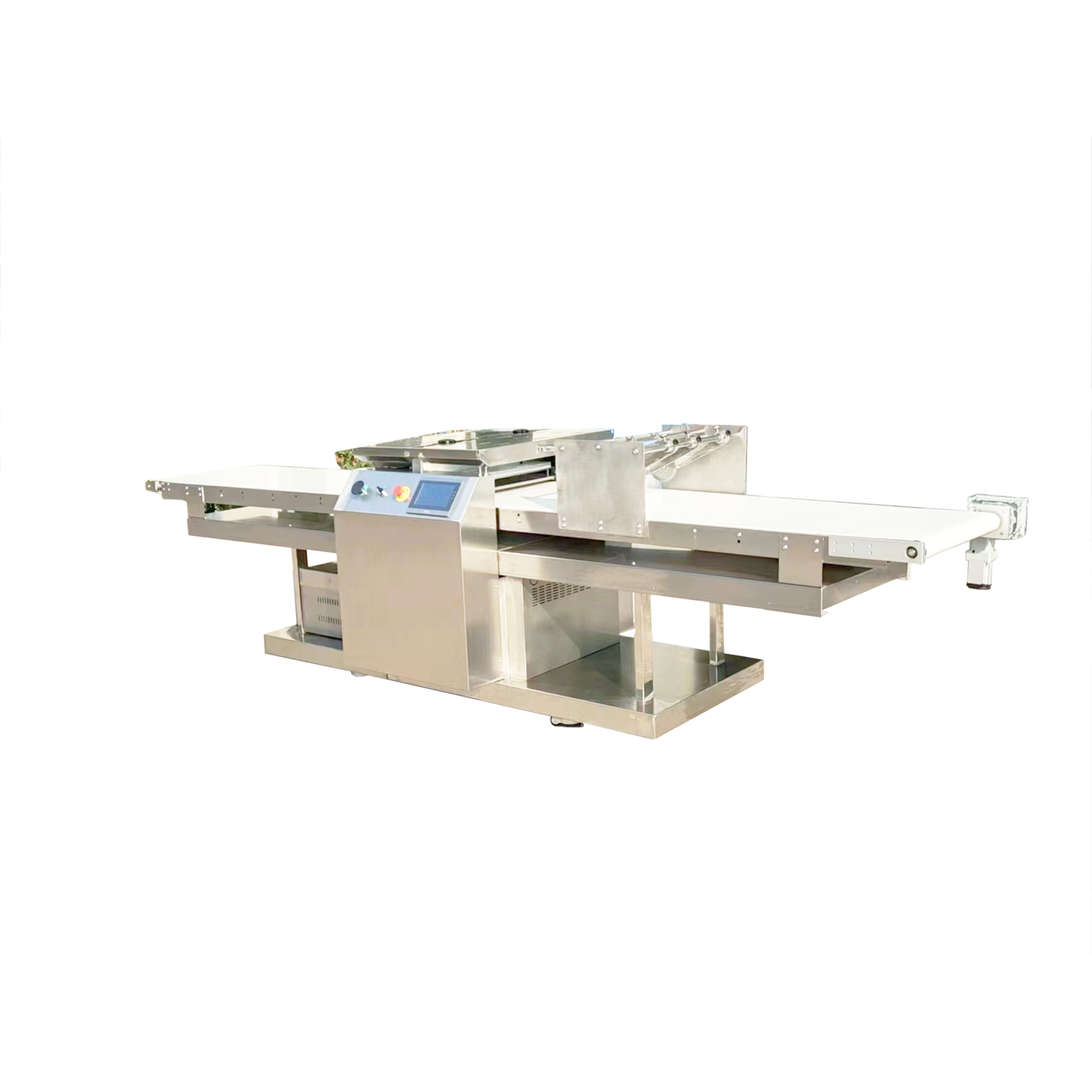
Commercial bread slicers are essential equipment in bakeries, restaurants, and food service operations, streamlining the process of creating uniform slices for consistent presentation and portion control. However, like any mechanical equipment, bread slicers can experience operational challenges that affect their performance and efficiency. Understanding how to identify and resolve these issues ensures minimal downtime and maintains the quality output that customers expect from professional bread slicing operations.
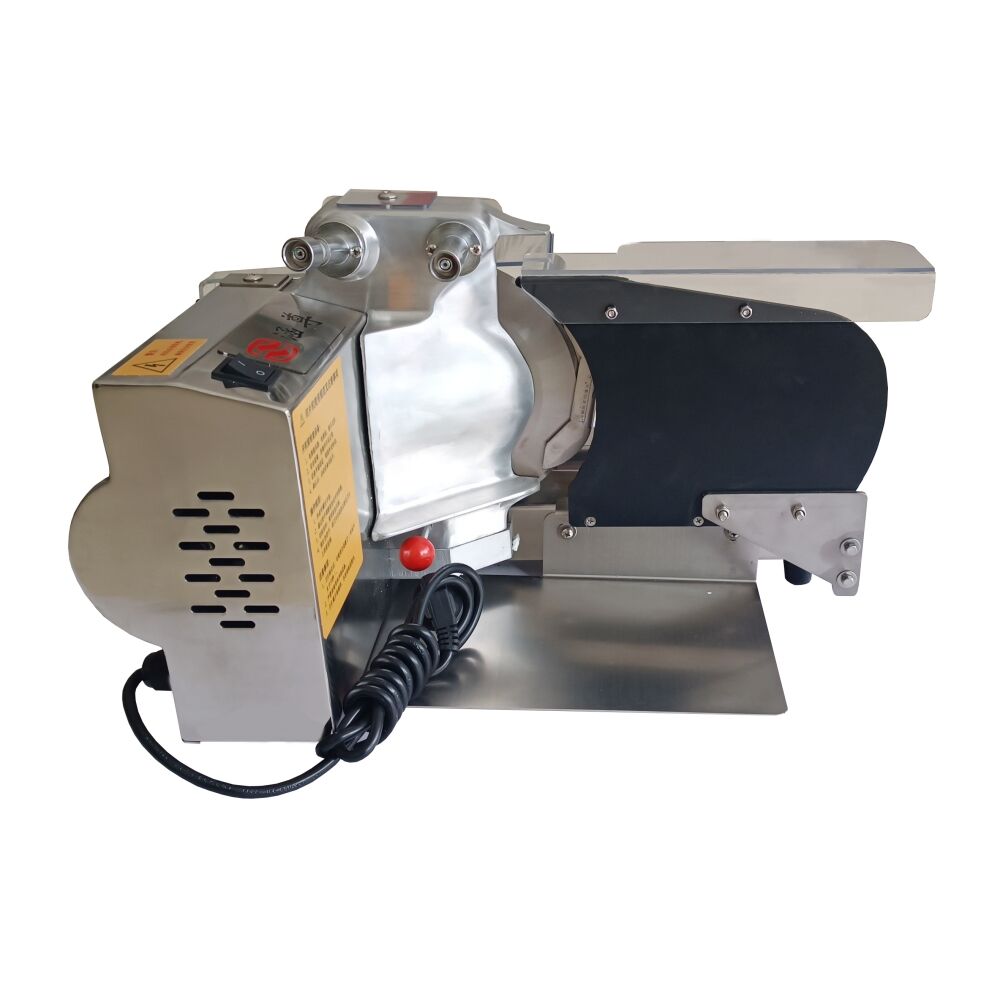
Modern bread slicers incorporate sophisticated mechanisms designed to handle various bread types, from dense whole grain loaves to delicate pastries. When these machines malfunction, the impact on production efficiency can be significant, making troubleshooting skills crucial for operators and maintenance personnel. Professional food service establishments rely on properly functioning bread slicers to maintain consistent service standards and meet customer expectations for uniform slice thickness and clean cuts.
Understanding Blade Performance and Maintenance
Identifying Dull Blade Symptoms
One of the most common issues with bread slicers involves blade performance degradation, which manifests through various observable symptoms. When blades begin to lose their sharpness, operators typically notice increased resistance during slicing operations, resulting in uneven cuts and compressed bread texture. The slicing action may require additional pressure, and the finished slices often exhibit torn edges or inconsistent thickness variations that compromise presentation quality.
Dull blades also create excessive crumb production, leaving debris throughout the slicing chamber and requiring more frequent cleaning cycles. Professional bread slicers depend on precision-maintained cutting edges to achieve clean, professional results, and blade condition directly affects the overall efficiency of slicing operations. Operators should monitor blade performance regularly to identify early signs of deterioration before they impact production quality.
Proper Blade Replacement Procedures
Replacing blades on bread slicers requires careful attention to safety protocols and manufacturer specifications to ensure optimal performance and operator protection. Before beginning any blade replacement procedure, operators must disconnect power sources and engage all safety locks to prevent accidental activation during maintenance. Most commercial bread slicers feature blade assemblies that can be accessed through removable panels or hinged covers designed for maintenance access.
The replacement process typically involves removing blade guards, loosening mounting hardware with appropriate tools, and carefully extracting worn blades while noting their orientation and positioning. New blades must be installed with proper alignment and torque specifications to ensure safe operation and optimal cutting performance. Quality bread slicers include detailed maintenance documentation that outlines specific procedures for blade replacement and adjustment requirements.
Motor and Drive System Troubleshooting
Diagnosing Motor Performance Issues
Motor problems in bread slicers often present through unusual sounds, vibrations, or reduced cutting power that affects slicing consistency and speed. Common motor-related symptoms include grinding noises during operation, excessive vibration that may indicate bearing wear, and intermittent power delivery that causes uneven slicing performance. These issues can stem from various causes, including improper maintenance, electrical supply problems, or component wear that requires professional attention.
Temperature monitoring provides valuable insights into motor health, as overheating often precedes more serious mechanical failures in bread slicers. Operators should check for adequate ventilation around motor housings and ensure that cooling systems function properly to prevent thermal damage. Regular inspection of electrical connections and voltage supply helps identify potential issues before they cause complete motor failure and extended downtime.
Belt and Drive Mechanism Maintenance
Drive belts and transmission components in bread slicers require regular inspection and maintenance to ensure reliable power transfer from motor to cutting mechanism. Belt tension affects cutting performance significantly, with loose belts causing slippage and inconsistent slice thickness, while overtightened belts create excessive wear on bearings and pulleys. Proper belt tension allows smooth operation while maintaining adequate grip for consistent cutting power.
Visual inspection of drive belts should include checking for cracks, fraying, or glazing that indicates replacement necessity. Professional bread slicers incorporate adjustable tensioning systems that allow operators to maintain optimal belt performance throughout the equipment's service life. Drive system lubrication requirements vary by manufacturer, but regular attention to these components prevents premature wear and ensures reliable operation during peak production periods.
Electrical System Problems and Solutions
Power Supply and Control Issues
Electrical problems in bread slicers can range from simple switch malfunctions to complex control system failures that require professional diagnosis and repair. Common electrical symptoms include complete power loss, intermittent operation, or control functions that respond unpredictably to operator inputs. These issues often stem from loose connections, worn switches, or control circuit problems that affect the reliable operation of slicing equipment.
Voltage fluctuations in the facility's electrical supply can cause erratic behavior in bread slicers, particularly in equipment with sensitive electronic controls. Operators should verify that electrical supply meets manufacturer specifications and consider power conditioning equipment if voltage stability problems exist. Regular inspection of electrical connections, including power cords and internal wiring, helps prevent failures that could interrupt production operations.
Safety System Functionality
Modern bread slicers incorporate multiple safety systems designed to protect operators from injury, and these systems require regular testing to ensure proper functionality. Safety interlocks prevent operation when guards are removed or improperly positioned, while emergency stop switches provide immediate power cutoff when activated. These systems must function reliably to maintain workplace safety standards and comply with regulatory requirements.
Testing safety systems should be part of routine maintenance procedures for bread slicers, with documented verification that all protective devices operate correctly. Malfunctioning safety systems create serious hazards and may violate workplace safety regulations, making prompt repair essential. Professional service technicians can diagnose complex safety system problems and ensure that all protective devices meet manufacturer specifications and regulatory standards.
Cleaning and Sanitation Challenges
Addressing Contamination Issues
Proper sanitation of bread slicers requires thorough understanding of food safety principles and equipment-specific cleaning procedures to prevent contamination and maintain regulatory compliance. Bread residue, oil buildup, and moisture accumulation create environments conducive to bacterial growth, making regular cleaning essential for safe food handling operations. Professional bread slicers often feature removable components designed to facilitate thorough cleaning and sanitization.
Contamination issues can arise when cleaning procedures are inadequate or when equipment design makes certain areas difficult to access for proper sanitation. Operators must develop systematic cleaning protocols that address all food contact surfaces and follow manufacturer recommendations for approved cleaning agents and procedures. Regular inspection of cleaned equipment helps identify areas where contamination might persist and require additional attention.
Implementing Effective Cleaning Protocols
Developing comprehensive cleaning protocols for bread slicers involves understanding both equipment design and food safety requirements to ensure thorough sanitation without damaging sensitive components. Effective protocols typically include daily cleaning procedures for food contact surfaces, periodic deep cleaning of internal components, and documentation systems that verify compliance with sanitation standards.
Training operators on proper cleaning techniques ensures consistent application of sanitation procedures and helps prevent contamination issues that could compromise food safety. Professional bread slicers may require specific cleaning agents or techniques to maintain warranty coverage and optimal performance, making adherence to manufacturer recommendations essential for long-term equipment reliability and safety compliance.
Mechanical Adjustment and Calibration
Slice Thickness Control
Maintaining accurate slice thickness control in bread slicers requires understanding of adjustment mechanisms and regular calibration to ensure consistent results that meet customer expectations. Most commercial bread slicers feature adjustable thickness settings that can be fine-tuned to accommodate different bread types and customer preferences. However, these settings may drift over time due to mechanical wear or component settling that affects cutting precision.
Calibration procedures typically involve measuring actual slice thickness against settings and making adjustments to restore accuracy. Professional bread slicers incorporate precision mechanisms that allow fine adjustments while maintaining repeatability across production runs. Operators should verify thickness accuracy regularly and document any adjustments made to maintain consistent product quality and customer satisfaction.
Alignment and Positioning Adjustments
Proper alignment of cutting components in bread slicers ensures clean cuts and prevents premature wear of blades and guide mechanisms. Misalignment can cause uneven slicing, increased blade wear, and potential safety hazards that require immediate attention. Regular inspection of component alignment helps identify problems before they affect product quality or equipment reliability.
Adjustment procedures for bread slicers vary by manufacturer and model, but generally involve precision tools and careful measurement to restore proper alignment. Professional service technicians can perform complex alignment procedures and ensure that all components operate within manufacturer specifications. Maintaining accurate records of adjustments helps track equipment performance trends and identify recurring issues that may require additional attention.
Preventive Maintenance Strategies
Daily Maintenance Routines
Establishing consistent daily maintenance routines for bread slicers significantly reduces the likelihood of unexpected failures and extends equipment service life through proactive care. These routines typically include visual inspections of critical components, cleaning of food contact surfaces, and verification that safety systems function properly. Daily maintenance takes minimal time but provides substantial benefits in terms of reliability and performance consistency.
Operators should document daily maintenance activities to create maintenance records that help identify trends and potential problems before they cause equipment failures. Professional bread slicers benefit from systematic maintenance approaches that address both immediate operational needs and long-term equipment reliability. Consistent daily care demonstrates commitment to food safety and equipment longevity while reducing overall maintenance costs.
Scheduled Component Replacement
Implementing scheduled replacement programs for wear components in bread slicers helps prevent unexpected failures and maintains consistent performance throughout the equipment's service life. Common wear items include blades, belts, bearings, and seals that require periodic replacement based on usage hours or calendar schedules. Proactive replacement prevents secondary damage that can occur when worn components fail during operation.
Professional bread slicers often include manufacturer recommendations for component replacement intervals based on typical usage patterns and operating conditions. Maintaining adequate spare parts inventory ensures that scheduled replacements can be completed without production delays. Component replacement schedules should be documented and tracked to optimize maintenance timing and budget allocation for ongoing equipment care.
FAQ
What causes bread slicers to produce uneven slice thickness
Uneven slice thickness in bread slicers typically results from dull blades, improper blade alignment, or worn guide mechanisms that affect cutting precision. Blade sharpness directly impacts cutting quality, and dull blades require more pressure to cut through bread, leading to compression and thickness variations. Regular blade maintenance and proper calibration of thickness controls help maintain consistent slicing results across different bread types and production volumes.
How often should bread slicer blades be replaced
Blade replacement frequency for bread slicers depends on usage volume, bread types being sliced, and maintenance practices, but typically ranges from weekly to monthly in high-volume commercial operations. Dense breads with seeds or nuts cause faster blade wear than soft white breads, while proper cleaning and handling extend blade life significantly. Operators should monitor cutting performance and replace blades when they notice increased resistance, uneven cuts, or excessive crumb production during slicing operations.
Why do bread slicers sometimes jam during operation
Bread slicer jams commonly occur due to improper bread positioning, oversized loaves, or mechanical issues such as dull blades or misaligned components. Soft or sticky breads may compress during slicing and bind in the cutting mechanism, while hard crusts can create resistance that overwhelms the drive system. Regular maintenance of cutting components and proper operator training on bread positioning techniques help prevent most jamming issues in commercial bread slicing operations.
What safety precautions are essential when troubleshooting bread slicers
Safety precautions for bread slicer troubleshooting include disconnecting power sources, engaging all safety locks, and using proper tools and procedures for component access. Operators should never attempt to clear jams or adjust components while power is connected, and all safety guards must be properly installed before returning equipment to service. Professional training on equipment-specific safety procedures and regular safety system testing ensure that troubleshooting activities do not create hazards for operators or nearby personnel.