
 EN
EN
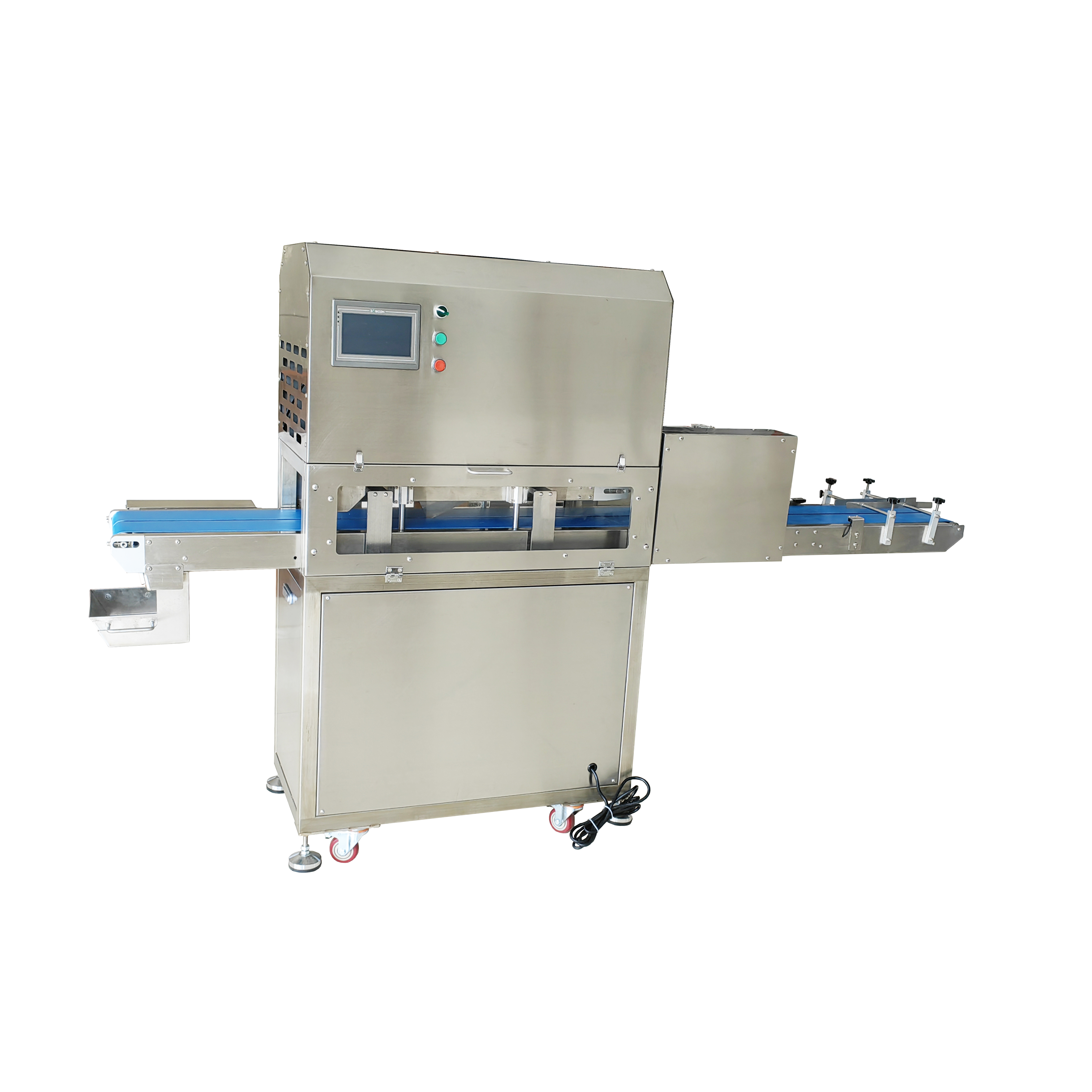
Commercial bakeries and food service establishments rely heavily on efficient equipment to maintain consistent product quality while maximizing productivity. Among the essential tools in any professional kitchen, bread slicers stand out as critical machinery that directly impacts portion control, presentation, and operational efficiency. Understanding the key features that distinguish high-quality bread slicers from basic models can significantly influence your purchasing decision and long-term operational success.
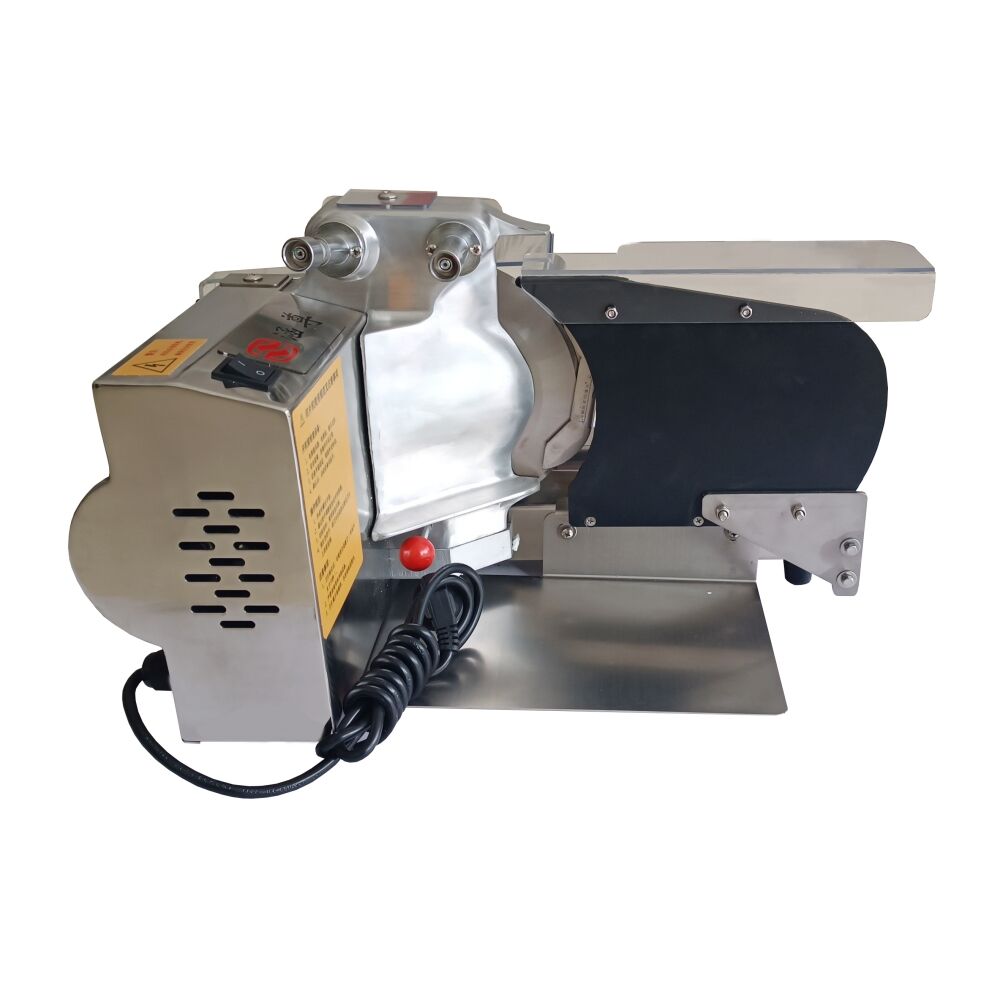
Professional bread slicers have evolved considerably from simple manual devices to sophisticated automated systems that can handle various bread types, sizes, and textures with remarkable precision. The investment in quality equipment pays dividends through improved efficiency, reduced waste, and enhanced customer satisfaction. Modern commercial bread slicers incorporate advanced engineering principles to deliver consistent results while minimizing maintenance requirements and operational downtime.
Essential Blade Technology and Construction
Advanced Blade Materials and Design
The foundation of any exceptional bread slicer lies in its blade technology, which directly determines cutting quality, durability, and maintenance requirements. Premium bread slicers utilize high-carbon stainless steel blades that maintain their sharpness significantly longer than conventional steel alternatives. These specialized blades feature precision-ground edges that create clean cuts without crushing or tearing delicate bread textures, ensuring professional presentation every time.
Modern blade configurations incorporate multiple cutting elements working in synchronization to accommodate various bread densities and compositions. The spacing between individual blades can often be adjusted to create different slice thicknesses, providing flexibility for diverse menu requirements. Quality bread slicers feature replaceable blade assemblies that allow for easy maintenance and ensure consistent performance throughout the equipment's operational life.
Cutting Mechanism Precision
The cutting mechanism represents another critical component that separates professional-grade bread slicers from basic alternatives. Superior models employ servo-driven systems that maintain consistent pressure and speed throughout the cutting cycle, regardless of bread density variations. This precision control prevents common issues such as uneven slice thickness, compressed bottom slices, or torn crusts that can negatively impact product presentation.
Advanced bread slicers incorporate feedback systems that automatically adjust cutting parameters based on detected resistance levels. This intelligent adaptation ensures optimal results across different bread types, from dense whole grain loaves to delicate artisan breads. The cutting mechanism should also feature adjustable stroke lengths to accommodate various loaf sizes without compromising cutting quality or efficiency.
Operational Efficiency and Productivity Features
Automated Loading and Discharge Systems
Modern commercial bread slicers integrate sophisticated loading mechanisms that streamline the slicing process and minimize manual handling requirements. Conveyor-based systems automatically position loaves for optimal cutting alignment while maintaining consistent feed rates that maximize throughput. These automated features significantly reduce labor requirements while ensuring uniform slice presentation across all products.
The discharge system plays an equally important role in maintaining operational efficiency by organizing sliced bread for immediate packaging or display. Quality bread slicers feature adjustable discharge conveyors that can be configured for different packaging arrangements, from individual slice separation to maintaining loaf integrity for wrapped products. This flexibility accommodates various packaging requirements without additional equipment investments.
Throughput Capacity and Speed Control
Production capacity represents a fundamental consideration when evaluating bread slicers for commercial applications. High-quality units can process hundreds of loaves per hour while maintaining consistent slice quality and thickness. Variable speed controls allow operators to optimize throughput based on bread types, with slower speeds for delicate items and higher rates for standard products.
The ability to maintain consistent output rates regardless of operator skill level ensures predictable production scheduling and labor allocation. Advanced bread slicers incorporate batch counting features that track production volumes and can automatically stop after predetermined quantities, supporting portion control and inventory management requirements.
Safety and Hygiene Considerations
Operator Protection Systems
Professional bread slicers must incorporate comprehensive safety features that protect operators while maintaining productivity levels. Emergency stop mechanisms should be easily accessible from multiple positions around the equipment, allowing immediate shutdown when necessary. Blade guards and protective enclosures prevent accidental contact with cutting elements while providing clear visibility of the slicing process.
Interlock systems prevent operation when safety guards are removed or improperly positioned, ensuring compliance with occupational safety regulations. Quality bread slicers also feature non-slip surfaces and ergonomic controls that reduce operator fatigue and minimize the risk of workplace injuries during extended operation periods.
Sanitation and Cleaning Features
Food safety requirements demand that bread slicers facilitate thorough cleaning and sanitization procedures. Stainless steel construction throughout all food contact surfaces ensures compatibility with standard cleaning chemicals while resisting corrosion and bacterial growth. Removable components allow complete access to all areas where food particles might accumulate, supporting comprehensive cleaning protocols.
Tool-free disassembly features enable rapid breakdown for cleaning without specialized equipment or extensive training requirements. Quality bread slicers incorporate smooth surface finishes and minimize crevices where contaminants could harbor, making routine sanitation more effective and less time-consuming. Some advanced models include automated cleaning cycles that reduce manual cleaning requirements.
Construction Quality and Durability
Frame and Component Materials
The structural integrity of bread slicers directly impacts their operational lifespan and maintenance requirements. Premium models utilize heavy-duty steel frames with precision machining that ensures dimensional stability under continuous operation. Vibration-dampening features minimize noise levels while protecting internal components from wear caused by operational stresses.
Critical components such as drive systems, bearings, and electrical elements should feature industrial-grade specifications that can withstand demanding commercial environments. Quality bread slicers incorporate sealed bearings and protected electrical connections that resist contamination from flour dust and moisture exposure common in bakery operations.
Maintenance Accessibility and Requirements
Long-term operational success depends heavily on the accessibility of components requiring routine maintenance and service. Well-designed bread slicers provide clear access to lubrication points, adjustment mechanisms, and wear components without extensive disassembly requirements. Maintenance schedules should be straightforward and achievable with standard tools and basic technical knowledge.
Diagnostic features that monitor component condition and alert operators to potential issues before failures occur can significantly reduce unexpected downtime. Quality manufacturers provide comprehensive maintenance documentation and readily available replacement parts to support ongoing operations throughout the equipment's service life.
Versatility and Customization Options
Multi-Product Compatibility
Modern bakery operations often require equipment that can handle diverse product lines without significant setup changes or performance compromises. Superior bread slicers accommodate various loaf sizes, shapes, and textures through adjustable guides, variable cutting parameters, and flexible positioning systems. This versatility eliminates the need for multiple specialized machines while maintaining optimal results across different products.
The ability to quickly transition between different bread types without extensive reconfiguration supports flexible production scheduling and reduces setup time between product runs. Quality bread slicers feature memory settings that store optimal parameters for different products, enabling one-touch setup changes that maintain consistency while minimizing operator training requirements.
Integration Capabilities
Contemporary food production environments increasingly rely on integrated systems that share data and coordinate operations across multiple equipment pieces. Advanced bread slicers offer connectivity options that enable integration with packaging machinery, inventory management systems, and production scheduling software. These capabilities support comprehensive automation strategies that maximize efficiency while reducing labor requirements.
Remote monitoring capabilities allow supervisors to track equipment performance, production metrics, and maintenance requirements from centralized control systems. This integration supports proactive maintenance scheduling and helps identify optimization opportunities that can improve overall production efficiency.
Performance Monitoring and Quality Control
Slice Consistency and Measurement
Maintaining consistent slice thickness across all products represents a critical quality control requirement for commercial bread slicers. Advanced models incorporate precision measurement systems that continuously monitor slice dimensions and automatically adjust cutting parameters to maintain specifications. These systems provide real-time feedback that enables immediate corrections when variations are detected.
Statistical process control features track slice consistency over time and generate reports that support quality assurance documentation requirements. This data helps identify trends that might indicate blade wear or mechanical issues before they impact product quality, supporting preventive maintenance strategies.
Production Tracking and Documentation
Comprehensive production tracking capabilities enable precise inventory management and support traceability requirements common in food service operations. Quality bread slicers can record production volumes, timestamps, and operator information for each batch processed, creating detailed documentation that supports quality control and regulatory compliance requirements.
Integration with facility management systems allows automatic updates to inventory databases and production schedules, reducing administrative overhead while improving accuracy. This automation eliminates manual data entry errors and provides real-time visibility into production status across the facility.
FAQ
What slice thickness options are typically available on commercial bread slicers
Professional bread slicers typically offer adjustable slice thickness ranging from 3mm to 25mm, with some specialized models extending this range further. Most units feature preset positions for common thicknesses like 10mm, 15mm, and 20mm, while allowing fine adjustments for specific requirements. The adjustment mechanism should provide precise, repeatable settings that maintain consistency throughout production runs.
How often do bread slicer blades need replacement or sharpening
Blade replacement frequency depends on usage volume, bread types processed, and maintenance practices, but typically ranges from 3-12 months in commercial applications. High-quality blades in properly maintained bread slicers can process 50,000-100,000 loaves before requiring replacement. Regular cleaning and proper operational techniques significantly extend blade life, while processing abrasive ingredients or hard crusts may require more frequent changes.
What power requirements are needed for commercial bread slicers
Commercial bread slicers typically require 208-240V electrical service with power consumption ranging from 0.5HP to 2HP depending on capacity and features. Most units operate on standard 60Hz frequency and require dedicated circuits with appropriate amperage ratings. Facilities should ensure adequate electrical infrastructure to support the equipment's requirements plus any planned expansion or additional equipment integration.
Can bread slicers handle both hard and soft bread varieties effectively
Quality bread slicers incorporate adjustable cutting parameters that accommodate various bread textures from soft sandwich loaves to crusty artisan breads. Variable pressure controls and cutting speeds allow operators to optimize settings for different products, while advanced models automatically adjust parameters based on detected resistance. Proper blade selection and maintenance ensure effective processing across the full range of bread types commonly found in commercial operations.