
 EN
EN
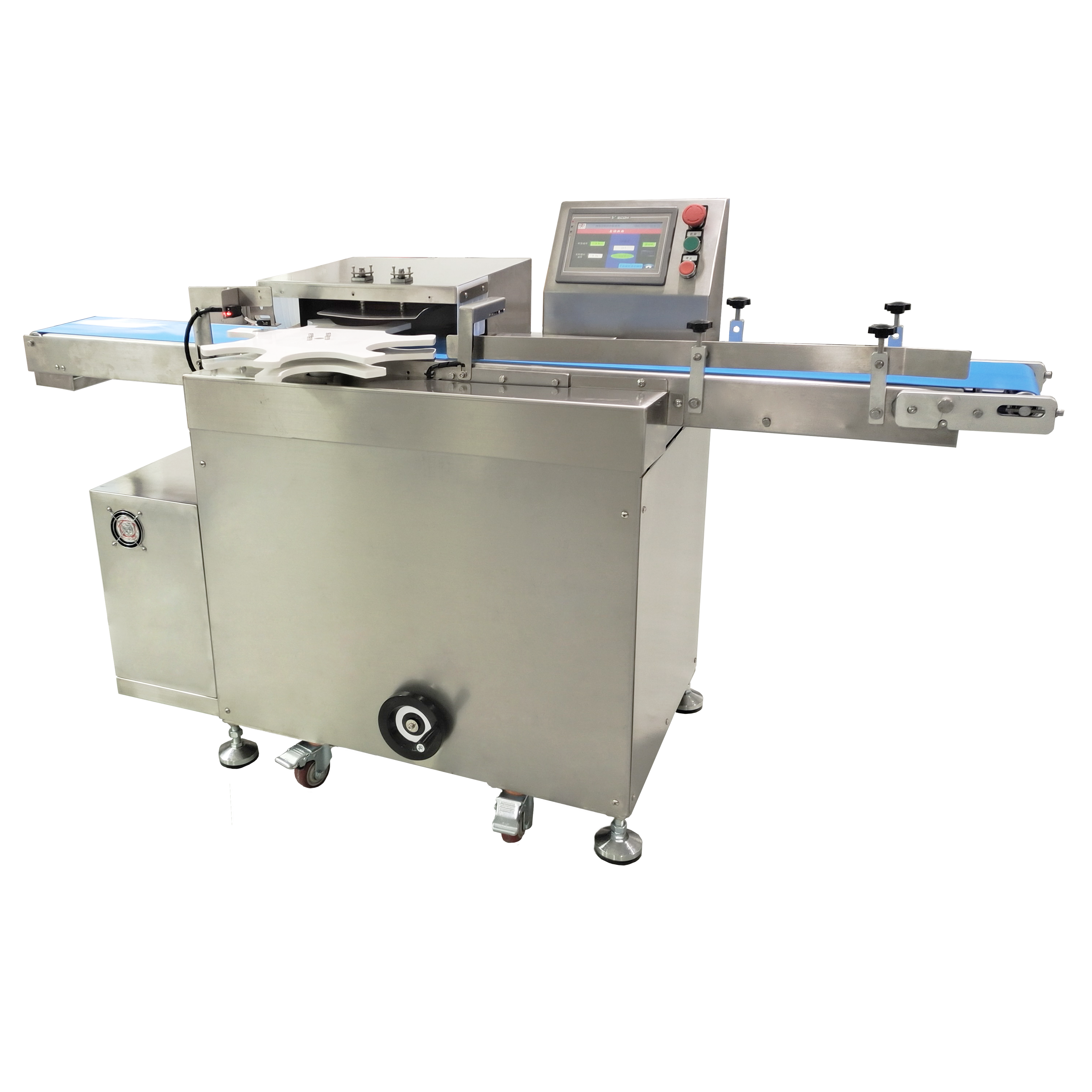
In commercial bakeries and industrial food production facilities, efficiency and consistency are paramount to success. Professional bread slicers have revolutionized how businesses approach bread preparation, offering unprecedented precision and speed that manual cutting simply cannot match. These sophisticated machines transform the way bakeries, restaurants, and food service establishments handle their daily bread slicing operations, delivering uniform results while significantly reducing labor costs and preparation time.
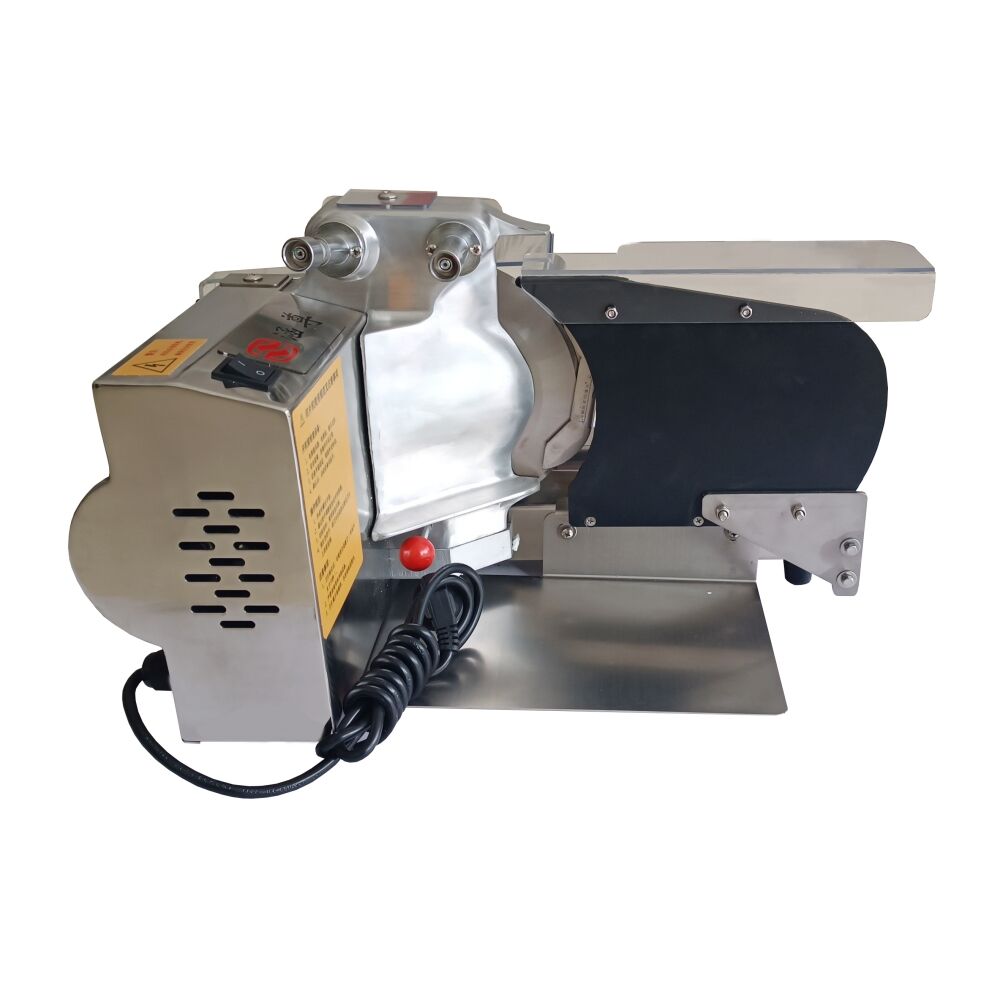
Enhanced Productivity and Operational Efficiency
Streamlined Workflow Integration
Modern bread slicers seamlessly integrate into existing commercial kitchen workflows, dramatically reducing the time required for bread preparation. Professional establishments that implement these machines typically experience a 60-80% reduction in bread preparation time compared to manual slicing methods. This efficiency gain allows staff to focus on other critical tasks, improving overall kitchen productivity and service delivery.
The automated nature of industrial bread slicers eliminates the bottlenecks commonly associated with manual bread cutting during peak service periods. High-volume establishments can process hundreds of loaves per hour, ensuring consistent supply meets customer demand without compromising service quality or speed.
Labor Cost Optimization
Implementing bread slicers significantly reduces labor requirements for bread preparation tasks. The automation provided by these machines allows establishments to reallocate human resources to more value-added activities such as customer service, food preparation, and quality control. This strategic resource reallocation often results in improved profit margins and enhanced operational sustainability.
Commercial kitchens utilizing bread slicers report substantial reductions in staffing costs related to bread preparation. The machines operate with minimal supervision, requiring only periodic maintenance and basic operation training for staff members.
Superior Consistency and Quality Control
Uniform Slice Thickness
Professional bread slicers deliver unparalleled consistency in slice thickness, ensuring every piece meets exact specifications. This precision is crucial for commercial operations where presentation standards and portion control directly impact customer satisfaction and food cost management. Advanced models offer adjustable thickness settings, allowing operators to customize slice dimensions according to specific menu requirements or customer preferences.
The mechanical precision of quality bread slicers eliminates the natural variation inherent in manual cutting techniques. This consistency is particularly valuable for establishments serving standardized portions or those requiring specific bread dimensions for sandwich preparation and plating presentation.
Reduced Food Waste
Precise cutting mechanisms in professional bread slicers minimize crumb generation and irregular cuts that typically result in food waste. The clean, accurate cuts preserve bread integrity while maximizing usable portions from each loaf. This waste reduction translates directly into improved food cost ratios and enhanced profitability for commercial operations.
Advanced bread slicing technology ensures optimal blade positioning and cutting angles, preventing the crushing or tearing that often occurs with manual slicing methods. This preservation of bread structure maintains product quality while extending shelf life and presentation appeal.
Hygiene and Food Safety Advantages
Enhanced Sanitation Protocols
Commercial-grade bread slicers incorporate food-safe materials and designs that facilitate thorough cleaning and sanitization. Stainless steel construction and removable components allow for comprehensive hygiene maintenance, ensuring compliance with health department regulations and industry standards. These machines often feature smooth surfaces and minimal crevices where bacteria could potentially accumulate.
The enclosed cutting mechanism of professional bread slicers protects the slicing process from environmental contamination, maintaining higher hygiene standards compared to open manual cutting methods. This protection is particularly important in high-volume commercial environments where food safety is paramount.
Reduced Cross-Contamination Risk
Automated bread slicing systems minimize human contact with food products, significantly reducing cross-contamination risks. The consistent use of dedicated slicing equipment for bread products helps maintain proper food safety protocols and prevents the transfer of allergens or bacteria that might occur with shared manual cutting tools.
Professional bread slicers often incorporate features such as enclosed cutting chambers and automated cleaning cycles, further reducing contamination risks while maintaining optimal food safety standards throughout the slicing process.
Economic Benefits and Return on Investment
Long-term Cost Savings
The initial investment in quality bread slicers typically generates substantial long-term cost savings through reduced labor expenses, decreased food waste, and improved operational efficiency. Most commercial establishments experience full return on investment within 12-18 months of implementation, with continued savings thereafter contributing directly to improved profitability.
Maintenance costs for modern bread slicers remain relatively low due to robust construction and reliable mechanical systems. Regular preventive maintenance ensures consistent performance while minimizing unexpected repair expenses and operational disruptions.
Scalability and Growth Support
Professional bread slicing equipment provides the scalability necessary to support business growth without proportional increases in labor requirements. As establishments expand their operations or increase bread production volumes, existing bread slicers can typically accommodate higher throughput demands without requiring additional equipment investments.
The consistent quality and efficiency provided by bread slicers enable businesses to take on larger contracts and serve more customers without compromising service standards or operational reliability.
Versatility and Customization Options
Multi-Purpose Functionality
Modern bread slicers offer remarkable versatility, accommodating various bread types, sizes, and textures. From dense artisan loaves to delicate sandwich breads, these machines adjust to different products while maintaining consistent cutting quality. This adaptability makes bread slicers valuable investments for diverse commercial operations serving multiple bread varieties.
Advanced models feature programmable settings that allow operators to store different configurations for various bread types, enabling quick transitions between products without manual adjustments or setup time.
Customizable Cutting Specifications
Professional bread slicers provide extensive customization options for slice thickness, cutting patterns, and portion sizes. This flexibility allows establishments to meet specific customer requirements, accommodate different menu applications, and optimize bread usage for various food service applications.
The ability to quickly adjust cutting specifications makes bread slicers ideal for operations serving diverse customer bases or offering multiple bread-based menu items requiring different slice dimensions and presentations.
FAQ
How much space do commercial bread slicers require?
Most commercial bread slicers have compact footprints designed for efficient kitchen space utilization. Standard models typically require 2-4 square feet of counter space, while larger industrial units may need up to 6 square feet. The vertical clearance requirement is usually 18-24 inches to accommodate the slicing mechanism and loading area.
What maintenance is required for bread slicing equipment?
Regular maintenance for bread slicers includes daily cleaning of cutting surfaces and removable components, weekly blade inspection and cleaning, and monthly lubrication of moving parts. Professional servicing is recommended every 6-12 months depending on usage volume. Proper maintenance ensures optimal performance and extends equipment lifespan significantly.
Can bread slicers handle different types of bread consistently?
Yes, quality bread slicers are designed to handle various bread types including dense whole grain loaves, soft sandwich breads, artisan breads, and specialty items. Adjustable tension settings and blade configurations allow operators to optimize cutting performance for different bread textures and densities while maintaining consistent slice quality.
What safety features are included in commercial bread slicing machines?
Modern bread slicers incorporate comprehensive safety features including emergency stop buttons, blade guards, automatic shut-off mechanisms, and safety interlocks that prevent operation when access panels are open. Many models also feature non-slip feet, ergonomic controls, and clear safety markings to ensure safe operation in busy commercial environments.