
 EN
EN
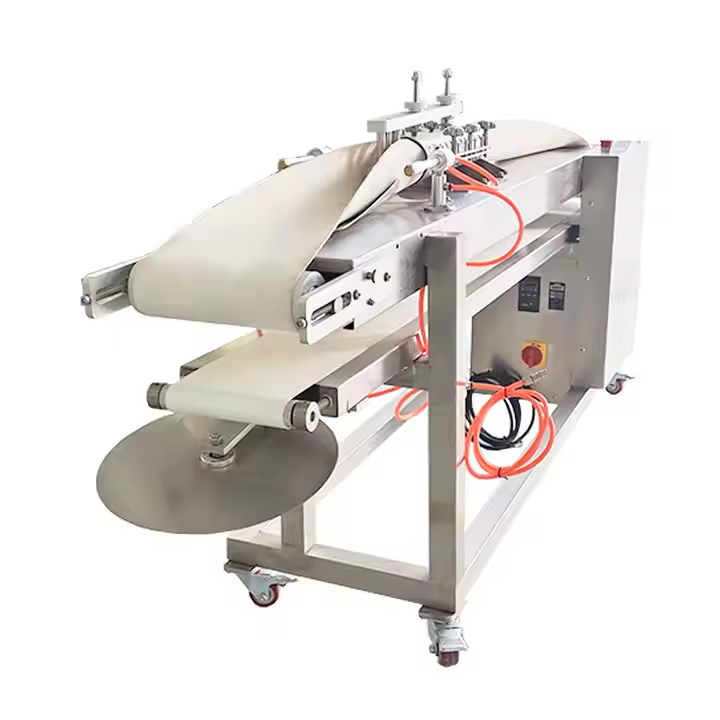
Commercial kitchens embarking on expansion journeys face critical decisions that can determine their long-term success, with bakery equipment selection standing as one of the most pivotal choices. The process requires careful evaluation of production capacity, space constraints, energy efficiency, and operational scalability to ensure seamless integration with existing workflows. Understanding the nuances of modern bakery equipment technology becomes essential for kitchen managers and business owners who seek to maximize productivity while maintaining consistent product quality across expanded operations.
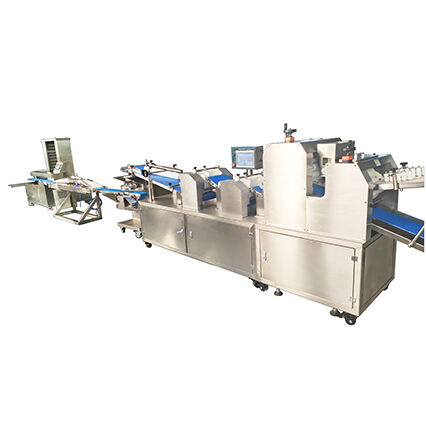
Understanding Production Capacity Requirements
Analyzing Current Output Versus Future Demands
Successful bakery equipment selection begins with a comprehensive analysis of current production volumes compared to projected expansion needs. Commercial kitchens must evaluate their existing output capacity, peak production hours, and seasonal demand fluctuations to determine appropriate equipment specifications. This assessment involves calculating hourly production rates, examining bottlenecks in current operations, and identifying areas where enhanced bakery equipment could eliminate inefficiencies. Kitchen managers should document current production metrics across different product categories, including bread, pastries, and specialty items, to create accurate capacity planning models.
Forward-thinking establishments conduct market research to understand customer demand trends and competitive landscape changes that might influence future production requirements. This analysis helps determine whether expansion should focus on increased volume production or diversification into new product lines. Bakery equipment manufacturers often provide capacity calculators and production planning tools that assist in translating business objectives into specific equipment requirements. The key lies in selecting equipment that can handle not just immediate expansion needs but also accommodate potential growth over the next three to five years.
Calculating Space Efficiency and Layout Optimization
Space utilization becomes a critical factor when commercial kitchens evaluate bakery equipment for expansion projects. Modern equipment designs emphasize compact footprints without compromising production capacity, allowing kitchens to maximize their available square footage. Equipment placement must consider workflow patterns, safety regulations, and maintenance accessibility while ensuring optimal production efficiency. Kitchen designers recommend creating detailed floor plans that incorporate new equipment dimensions, clearance requirements, and utility connections before making final purchasing decisions.
Vertical integration strategies often prove effective for kitchens with limited floor space, utilizing stackable ovens, multi-tier cooling racks, and elevated storage solutions. The relationship between different pieces of bakery equipment should create logical production sequences that minimize product handling and reduce labor costs. Successful expansions typically involve equipment configurations that allow for flexible production scheduling, enabling kitchens to switch between different product types without extensive setup changes.
Energy Efficiency and Operating Cost Considerations
Evaluating Long-term Energy Consumption Patterns
Modern commercial kitchens prioritize energy-efficient bakery equipment to control operating costs and support sustainability initiatives. Energy consumption represents a significant portion of ongoing operational expenses, making equipment efficiency ratings crucial factors in selection decisions. High-efficiency ovens, refrigeration systems, and mixing equipment can substantially reduce utility bills while maintaining superior performance standards. Kitchen managers should request detailed energy consumption data from manufacturers and calculate projected annual operating costs based on local utility rates and expected usage patterns.
Advanced bakery equipment often incorporates smart technology features that optimize energy usage through programmable controls, automatic shut-off systems, and variable-speed motors. These innovations allow kitchens to reduce energy waste during off-peak hours while maintaining consistent production quality. Equipment certifications from organizations like Energy Star provide reliable benchmarks for comparing efficiency ratings across different models and manufacturers. The initial investment in premium energy-efficient equipment typically pays dividends through reduced operating costs over the equipment's lifespan.
Maintenance Requirements and Service Accessibility
Proactive maintenance planning becomes essential when selecting bakery equipment for commercial kitchen expansion. Equipment reliability directly impacts production schedules, product quality, and customer satisfaction levels. Manufacturers that provide comprehensive service networks, readily available replacement parts, and detailed maintenance documentation offer significant advantages for busy commercial operations. Kitchen managers should evaluate service response times, technician availability, and warranty coverage terms when comparing different equipment options.
User-friendly maintenance features such as removable components, easy-access panels, and self-diagnostic systems can reduce service costs and minimize downtime. Training requirements for kitchen staff should also factor into equipment selection decisions, as complex systems may require specialized knowledge or additional training investments. Establishing relationships with reliable service providers before equipment installation ensures prompt support when maintenance issues arise.
Technology Integration and Automation Features
Smart Controls and Production Monitoring Systems
Contemporary bakery equipment increasingly incorporates sophisticated control systems that enhance production consistency and operational efficiency. Digital interfaces allow precise temperature control, timing automation, and recipe programming that reduces human error and ensures product standardization. These technological advances enable commercial kitchens to maintain quality standards across larger production volumes while reducing labor dependencies. Smart monitoring systems provide real-time performance data that helps operators optimize production schedules and identify potential equipment issues before they impact operations.
Integration capabilities between different pieces of bakery equipment create cohesive production environments where ovens, mixers, and proofers communicate to coordinate optimal baking cycles. This connectivity allows for more sophisticated production planning and helps kitchens respond quickly to changing demand patterns. Cloud-based monitoring systems enable remote oversight of equipment performance, allowing managers to track operations and receive alerts about maintenance needs or production anomalies from any location.
Scalability and Future Technology Adaptability
Forward-thinking commercial kitchens select bakery equipment with upgrade pathways and technology compatibility that extend equipment usefulness over time. Modular equipment designs allow for capacity increases through additional components rather than complete system replacements. This approach reduces capital investment requirements for future expansions while maintaining operational consistency. Equipment manufacturers increasingly offer software updates and hardware enhancement options that keep older equipment current with industry technological advances.
Open-architecture control systems provide flexibility for integrating third-party monitoring solutions and production management software. This compatibility ensures that bakery equipment investments remain viable as business requirements evolve and new technologies emerge. Commercial kitchens benefit from equipment selection strategies that prioritize adaptability and future-proofing over short-term cost savings.
Quality Standards and Regulatory Compliance
Food Safety and Sanitation Requirements
Commercial bakery operations must adhere to strict food safety regulations that influence equipment selection criteria. Sanitary design features such as smooth surfaces, minimal crevices, and easy-cleaning components are essential for maintaining health department compliance. Bakery equipment manufacturers increasingly focus on designs that facilitate thorough cleaning and sanitization while reducing contamination risks. Stainless steel construction, removable parts, and wash-down capabilities are standard features that support rigorous cleaning protocols required in commercial food production.
Documentation requirements for food safety compliance include equipment specifications, cleaning procedures, and maintenance records that demonstrate ongoing adherence to regulatory standards. Kitchens expanding their operations must ensure that new equipment integrates seamlessly with existing HACCP protocols and quality assurance programs. Training staff on proper equipment operation and cleaning procedures becomes critical for maintaining compliance during expansion phases when workflows and responsibilities may change.
Industry Certifications and Performance Standards
Professional-grade bakery equipment typically carries certifications from recognized industry organizations that validate safety, performance, and quality standards. NSF International, UL, and CE markings provide assurance that equipment meets stringent testing requirements and regulatory compliance standards. These certifications become particularly important for commercial kitchens operating in regulated industries or seeking to maintain premium quality reputations. Equipment lacking proper certifications may face rejection during health department inspections or insurance evaluations.
Performance standards established by industry associations help commercial kitchens benchmark equipment capabilities against recognized metrics for efficiency, reliability, and output quality. Understanding these standards enables more informed comparisons between competing equipment options and helps justify investment decisions to stakeholders. Certified equipment often qualifies for favorable financing terms, insurance premiums, and utility rebate programs that can offset initial purchase costs.
Financial Planning and Investment Strategies
Capital Investment Versus Leasing Options
Commercial kitchen expansion projects require careful financial planning to balance equipment needs with available capital resources. Outright equipment purchases provide long-term ownership benefits and potential tax advantages through depreciation schedules. However, leasing arrangements offer lower initial capital requirements and may include maintenance coverage that reduces ongoing operational expenses. Kitchen operators should analyze their cash flow patterns, expansion timelines, and equipment lifecycle expectations when evaluating financing options for bakery equipment acquisitions.
Lease-to-purchase agreements provide middle-ground solutions that combine lower initial costs with eventual ownership benefits. These arrangements often include upgrade provisions that allow kitchens to access newer equipment technologies as their operations mature. Financial advisors recommend comparing total cost of ownership across different financing scenarios to identify the most advantageous approach for each specific situation. Equipment manufacturers sometimes offer promotional financing terms that can significantly improve project economics.
Return on Investment Calculations
Successful bakery equipment selection requires thorough financial analysis that quantifies expected returns on equipment investments. Productivity improvements, labor cost reductions, and energy savings contribute to positive cash flows that justify equipment expenditures. Kitchen managers should develop realistic projections for increased revenue generation, operational efficiency gains, and competitive advantages that result from equipment upgrades. These calculations help prioritize equipment purchases and support funding requests to ownership or investors.
Payback period analysis provides clear timelines for equipment investment recovery and helps establish realistic expectations for expansion project success. Factors such as equipment lifespan, maintenance costs, and technology obsolescence should be incorporated into long-term financial projections. Regular performance monitoring after equipment installation validates initial assumptions and provides data for future expansion planning initiatives.
Vendor Selection and Procurement Process
Evaluating Manufacturer Reputation and Support Services
Choosing reliable bakery equipment manufacturers becomes crucial for commercial kitchen expansion success. Established manufacturers with proven track records offer greater assurance of product quality, service support, and long-term viability. Industry references, customer testimonials, and equipment performance histories provide valuable insights into manufacturer capabilities and reliability. Kitchen operators should investigate manufacturer financial stability, research and development investments, and commitment to customer support when making equipment selection decisions.
Comprehensive support services including installation assistance, staff training, and ongoing technical support add significant value to equipment purchases. Manufacturers that provide detailed documentation, video training resources, and responsive customer service help ensure smooth equipment integration and optimal performance. Local dealer networks and authorized service providers enhance support accessibility and reduce response times for maintenance and repair needs.
Negotiation Strategies and Contract Terms
Effective negotiation strategies can substantially improve equipment acquisition terms and reduce total project costs. Volume discounts, package deals, and promotional pricing opportunities often exist for kitchens purchasing multiple pieces of bakery equipment simultaneously. Extended warranty coverage, training inclusions, and installation services provide additional value that may be negotiable during purchase discussions. Kitchen managers should prepare detailed specifications and competitive quotes to strengthen their negotiating positions with equipment suppliers.
Contract terms should clearly define delivery schedules, installation responsibilities, and performance guarantees to avoid misunderstandings during project implementation. Payment terms, warranty coverage, and service level agreements require careful review to ensure alignment with operational requirements. Legal consultation may be advisable for large equipment purchases or complex installation projects that involve significant contractual commitments.
FAQ
What factors should commercial kitchens prioritize when selecting bakery equipment for expansion?
Commercial kitchens should prioritize production capacity alignment with expansion goals, energy efficiency ratings, space optimization capabilities, and integration with existing workflows. Equipment reliability, manufacturer support services, and compliance with food safety regulations also rank as critical selection factors. Financial considerations including total cost of ownership, financing options, and expected return on investment help guide decision-making processes.
How can kitchens determine the right capacity for new bakery equipment?
Capacity determination requires analyzing current production volumes, projected growth rates, and peak demand periods to establish appropriate equipment specifications. Kitchen managers should consider seasonal fluctuations, new product line requirements, and potential market expansion when calculating capacity needs. Consulting with equipment manufacturers and using production planning tools helps translate business objectives into specific capacity requirements.
What are the key differences between purchasing and leasing bakery equipment?
Equipment purchasing provides long-term ownership benefits, potential tax advantages through depreciation, and complete control over equipment modifications and usage. Leasing arrangements offer lower initial capital requirements, potential maintenance coverage, and flexibility to upgrade equipment as technology advances. The optimal choice depends on cash flow availability, tax considerations, equipment lifecycle expectations, and business growth strategies.
How important are energy efficiency ratings in bakery equipment selection?
Energy efficiency ratings significantly impact long-term operating costs and environmental sustainability goals. High-efficiency bakery equipment reduces utility expenses, may qualify for rebate programs, and supports corporate sustainability initiatives. The initial premium for energy-efficient equipment typically pays dividends through reduced operating costs over the equipment's lifespan, making efficiency ratings crucial factors in equipment selection decisions.
Table of Contents
- Understanding Production Capacity Requirements
- Energy Efficiency and Operating Cost Considerations
- Technology Integration and Automation Features
- Quality Standards and Regulatory Compliance
- Financial Planning and Investment Strategies
- Vendor Selection and Procurement Process
-
FAQ
- What factors should commercial kitchens prioritize when selecting bakery equipment for expansion?
- How can kitchens determine the right capacity for new bakery equipment?
- What are the key differences between purchasing and leasing bakery equipment?
- How important are energy efficiency ratings in bakery equipment selection?