
 EN
EN
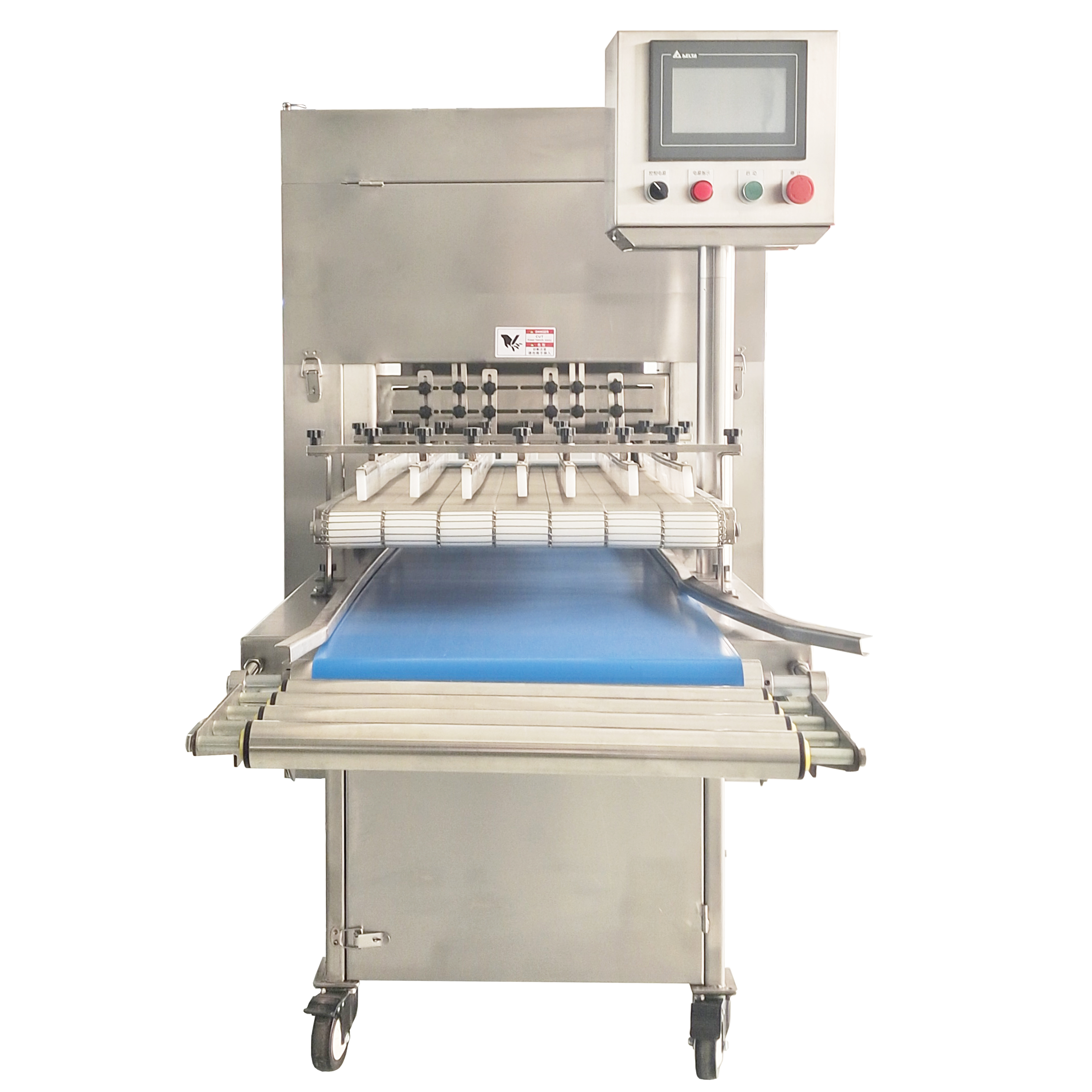
Commercial bakeries operating at high volumes face critical decisions when selecting equipment that directly impacts productivity, product quality, and operational efficiency. Among the most essential pieces of equipment are bread slicers, which must deliver consistent performance while handling diverse bread types and maintaining food safety standards. The selection process requires careful evaluation of multiple factors including slice thickness consistency, throughput capacity, maintenance requirements, and long-term durability to ensure optimal return on investment.
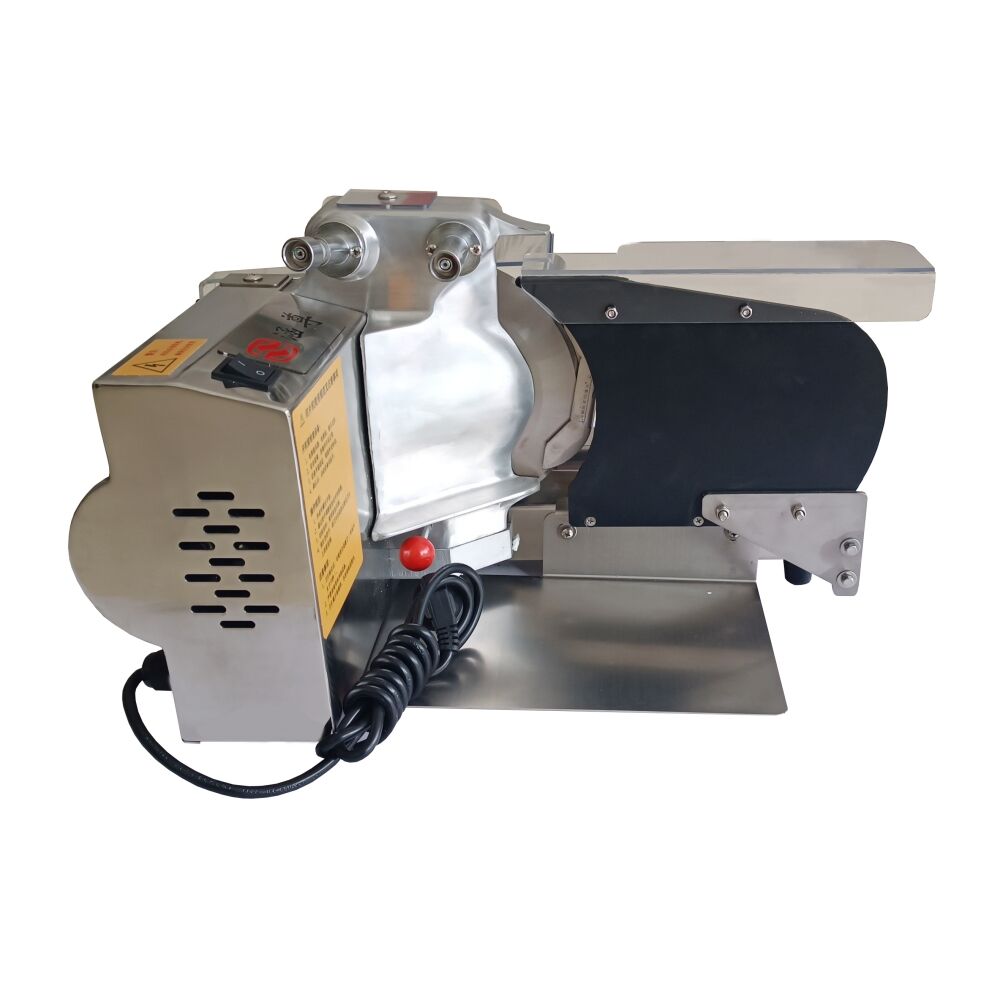
Understanding Production Volume Requirements
Calculating Daily Throughput Needs
Bakeries must first establish their daily production volumes to determine the appropriate capacity for bread slicers. High-volume operations typically process between 500 to 2000 loaves per hour during peak periods, requiring equipment that can maintain consistent performance without bottlenecks. Understanding peak production times, seasonal fluctuations, and future growth projections helps bakeries select bread slicers with adequate capacity margins.
Production planning also involves analyzing the variety of bread products being sliced, as different types require varying processing times. Dense breads like whole grain or seeded varieties may slow down slicing rates compared to lighter white breads. Bakeries should calculate their slowest-processing bread type to ensure bread slicers can handle worst-case scenarios while maintaining production schedules.
Evaluating Operational Efficiency Metrics
Efficiency measurements extend beyond simple slice counts to include setup times, changeover periods between different bread types, and cleaning requirements. Modern bread slicers incorporate quick-change blade systems and automated adjustment features that significantly reduce downtime between production runs. These efficiency gains translate directly into increased profitability for high-volume operations.
Labor efficiency represents another crucial consideration, as automated bread slicers can reduce manual handling requirements while improving worker safety. Advanced models feature conveyor integration, automatic positioning systems, and programmable slice thickness controls that minimize operator intervention and reduce the risk of workplace injuries associated with manual slicing operations.
Technical Specifications and Performance Standards
Blade Technology and Slice Quality
The blade system represents the heart of any bread slicing operation, directly impacting product quality and customer satisfaction. High-performance bread slicers utilize precision-ground stainless steel blades with specialized coatings that maintain sharpness longer and resist corrosion from acidic bread ingredients. Blade spacing adjustability allows bakeries to accommodate various loaf sizes while maintaining consistent slice thickness across different bread types.
Advanced blade configurations include reciprocating systems that provide clean cuts without compressing the bread structure, preserving the texture and appearance that customers expect. Some bread slicers feature ultrasonic blade technology that reduces friction and heat generation, preventing damage to delicate crusts and maintaining optimal product presentation throughout the slicing process.
Construction Materials and Durability
Commercial-grade bread slicers must withstand continuous operation in demanding bakery environments characterized by flour dust, humidity, and temperature variations. Stainless steel construction provides corrosion resistance and ease of cleaning, while reinforced frame designs ensure stability during high-speed operations. Premium models incorporate food-grade materials throughout all product-contact surfaces, ensuring compliance with strict food safety regulations.
Durability testing standards help bakeries evaluate the long-term reliability of bread slicers under typical operating conditions. Equipment manufacturers often provide cycle testing data and warranty coverage that reflects their confidence in product longevity. Bakeries should prioritize models with proven track records in similar high-volume applications to minimize unexpected downtime and repair costs.
Safety Features and Regulatory Compliance
Operator Protection Systems
Safety considerations are paramount when selecting bread slicers for high-volume operations, as increased throughput typically involves higher operating speeds and more frequent equipment interaction. Modern units incorporate multiple safety interlocks, emergency stop systems, and barrier guards that prevent operator contact with moving blades while maintaining accessibility for routine maintenance and cleaning procedures.
Advanced safety features include light curtains and pressure-sensitive mats that automatically halt blade movement when operators enter restricted zones. These systems allow for rapid response to potential hazards while minimizing production interruptions. Training requirements for safe operation should be considered alongside equipment selection, as more sophisticated bread slicers may require additional operator certification or specialized maintenance protocols.
Food Safety and Sanitation Standards
Compliance with food safety regulations requires bread slicers designed for easy cleaning and sanitization without compromising mechanical integrity. Smooth surface finishes, minimal crevices, and removable components facilitate thorough cleaning protocols that prevent bacterial growth and cross-contamination between product batches. HACCP compliance features help bakeries maintain proper documentation and traceability throughout their production processes.
Sanitary design principles extend to electrical components and control systems, which must be sealed against moisture and cleaning chemicals while remaining accessible for maintenance. Some bread slicers feature wash-down capabilities that allow for complete sanitization without disassembly, significantly reducing cleaning time and labor costs in high-volume operations.
Integration with Existing Production Systems
Conveyor and Packaging Compatibility
Successful integration of bread slicers into existing production lines requires careful consideration of conveyor heights, speeds, and control systems. Many high-volume bakeries operate continuous production lines where bread slicers must synchronize with upstream cooling systems and downstream packaging equipment. Variable speed controls and buffering capabilities help maintain smooth product flow while accommodating variations in processing rates.
Packaging integration represents a critical success factor, as sliced bread must be immediately bagged or wrapped to maintain freshness and prevent contamination. Automated bread slicers can be synchronized with bagging systems to eliminate manual handling and reduce labor requirements while ensuring consistent packaging quality and portion control throughout production runs.
Control System Integration
Modern bakeries increasingly rely on integrated control systems that monitor and coordinate multiple production processes simultaneously. Bread slicers equipped with programmable logic controllers can communicate with central management systems, providing real-time production data, maintenance alerts, and quality control metrics. This connectivity enables predictive maintenance scheduling and helps optimize overall equipment effectiveness across the entire production line.
Data collection capabilities built into advanced bread slicers support continuous improvement initiatives by tracking slice consistency, throughput rates, and equipment utilization patterns. This information helps bakeries identify optimization opportunities and make data-driven decisions about production scheduling, maintenance planning, and future equipment investments.
Cost Analysis and Return on Investment
Initial Investment Considerations
The capital cost of industrial bread slicers varies significantly based on capacity, automation level, and specialized features required for specific applications. High-volume operations must balance initial equipment costs against long-term operational benefits including labor savings, improved product consistency, and reduced waste rates. Financing options and lease arrangements can help bakeries manage cash flow while acquiring necessary equipment upgrades.
Total cost of ownership calculations should include installation expenses, operator training costs, and initial spare parts inventory to ensure accurate budget planning. Some manufacturers offer comprehensive packages that include delivery, installation, commissioning, and initial training to simplify the procurement process and reduce implementation risks for busy bakery operations.
Operational Cost Benefits
Automated bread slicers typically generate significant labor cost savings compared to manual slicing operations, especially in high-volume environments where consistency and speed are critical. Reduced labor requirements allow bakeries to redeploy workers to higher-value activities while maintaining or improving production output. Energy efficiency improvements in modern equipment also contribute to lower operational costs over the equipment lifecycle.
Quality improvements achieved through consistent slicing reduce waste rates and customer complaints, directly impacting profitability. Uniform slice thickness ensures optimal packaging efficiency and improved shelf presentation, while reduced handling minimizes bread damage during processing. These quality benefits often justify equipment investments through improved customer satisfaction and brand reputation in competitive markets.
Maintenance and Service Support
Preventive Maintenance Requirements
High-volume operations place demanding requirements on bread slicers, making preventive maintenance critical for sustained performance and equipment longevity. Regular blade sharpening, lubrication schedules, and component inspections help prevent unexpected breakdowns that can disrupt production schedules. Maintenance-friendly designs with accessible service points and clear maintenance indicators simplify routine care while reducing associated labor costs.
Blade replacement frequency depends on bread types, production volumes, and cutting conditions, with harder bread varieties requiring more frequent blade changes. Quick-change blade systems minimize production downtime during routine maintenance, while blade condition monitoring systems provide advance warning of replacement needs to enable planned maintenance scheduling.
Technical Support and Parts Availability
Reliable technical support becomes crucial for high-volume bakeries where equipment downtime directly impacts revenue and customer commitments. Manufacturers with extensive service networks and rapid response capabilities provide valuable peace of mind for critical production equipment. Local parts availability and certified service technicians help minimize repair times and ensure proper maintenance procedures.
Service agreements and extended warranty options can provide predictable maintenance costs while ensuring priority support during equipment issues. Some bread slicers manufacturers offer remote diagnostic capabilities that enable proactive troubleshooting and faster problem resolution, particularly valuable for operations with limited in-house technical expertise.
Future-Proofing and Technology Trends
Automation and Industry 4.0 Integration
The bakery industry is increasingly adopting Industry 4.0 technologies that enhance production visibility, quality control, and operational efficiency. Next-generation bread slicers incorporate sensors, connectivity, and artificial intelligence capabilities that enable predictive maintenance, quality monitoring, and automated adjustment based on product characteristics. These advanced features help bakeries maintain competitive advantages in rapidly evolving markets.
Machine learning algorithms built into modern bread slicers can automatically optimize cutting parameters based on bread density, moisture content, and desired slice characteristics. This intelligent automation reduces operator skill requirements while consistently delivering optimal results across diverse product lines, making bread slicers more versatile and valuable for multi-product operations.
Sustainability and Energy Efficiency
Environmental considerations are becoming increasingly important in equipment selection decisions, as bakeries seek to reduce energy consumption and minimize waste generation. Energy-efficient motor systems, optimized cutting cycles, and reduced maintenance requirements contribute to lower environmental impact while supporting corporate sustainability initiatives. Some bread slicers feature regenerative braking systems that capture and reuse energy during deceleration cycles.
Sustainable design principles also encompass equipment longevity, recyclability, and reduced packaging waste through improved portion control. Modern bread slicers help bakeries achieve sustainability goals while maintaining operational efficiency and product quality standards expected by environmentally conscious consumers.
FAQ
What slice thickness options are available for commercial bread slicers
Commercial bread slicers typically offer adjustable slice thickness ranging from 6mm to 25mm, with some specialized models accommodating even thicker cuts up to 40mm. Most high-volume units feature quick-adjust mechanisms that allow operators to change slice thickness between batches without tools. Popular settings include 10mm for sandwich bread, 15mm for toast, and 20mm for artisan loaves, though custom thickness options can often be programmed for specific product requirements.
How often do blades need replacement in high-volume operations
Blade replacement frequency depends on production volume, bread types, and maintenance practices, but typically ranges from weekly to monthly in high-volume operations processing 1000+ loaves daily. Harder breads with seeds or grains accelerate blade wear, while softer white breads are less demanding on cutting edges. Regular blade sharpening can extend useful life, and some facilities maintain blade rotation schedules to ensure consistent cut quality while maximizing blade utilization.
Can bread slicers handle different loaf sizes without manual adjustments
Modern automated bread slicers incorporate adjustable positioning systems and programmable controls that can accommodate various loaf dimensions without manual intervention. Advanced models feature optical sensors or mechanical guides that automatically center loaves and adjust cutting parameters based on detected product dimensions. However, significant size variations may still require operator setup changes or different blade configurations to maintain optimal cutting performance.
What are the typical power requirements for industrial bread slicers
Industrial bread slicers typically require 220V to 480V three-phase electrical connections with power consumption ranging from 2 to 15 kilowatts depending on capacity and features. High-volume models with conveyor systems and automated positioning may require additional power for auxiliary systems. Proper electrical planning should include adequate circuit capacity, appropriate disconnect switches, and consideration for peak power demands during startup or when processing particularly dense bread products.