
 EN
EN

Commercial kitchens and bakeries rely heavily on precision equipment to maintain consistent product quality and operational efficiency. Among the most critical pieces of equipment are bread slicers, which must deliver uniform cuts while withstanding the demanding pace of high-volume food production. The blade material used in these machines directly impacts both cutting precision and overall equipment longevity, making material selection a crucial factor for businesses seeking reliable performance and cost-effective operation.
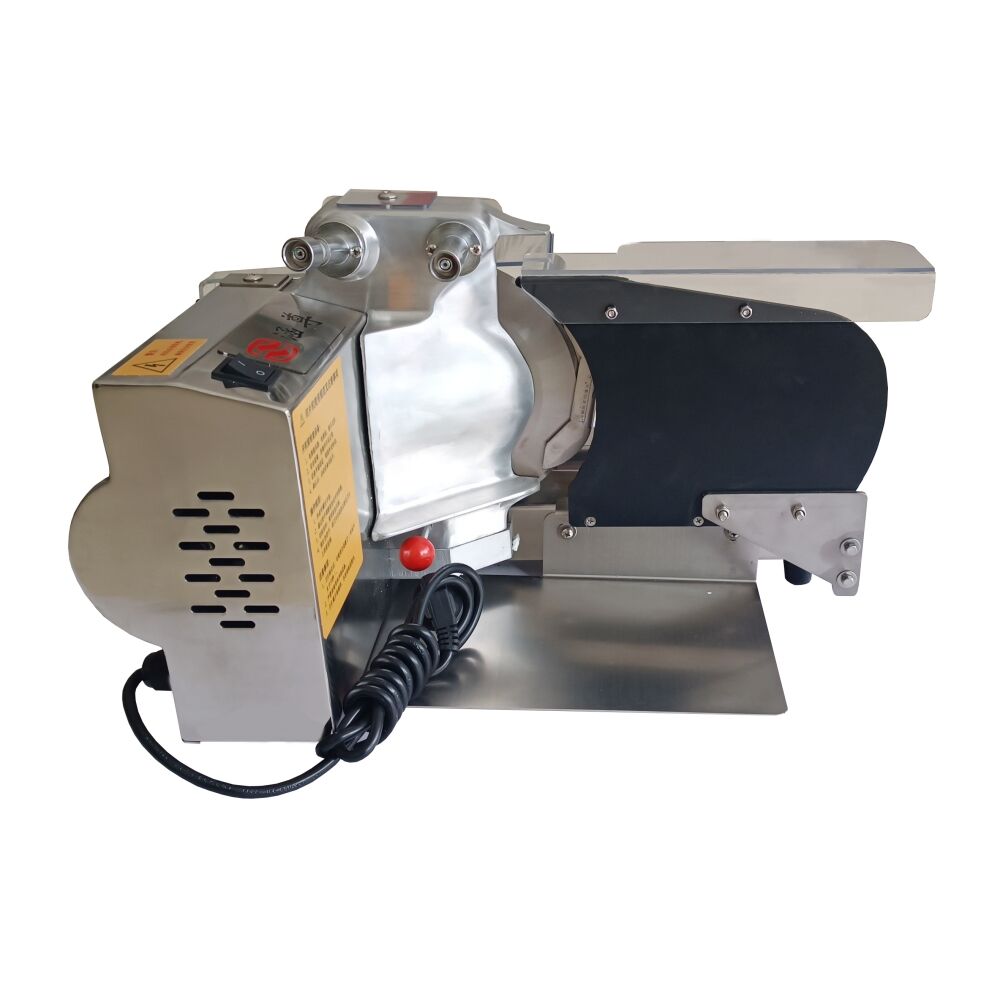
Understanding the relationship between blade materials and slicer performance helps operators make informed decisions that affect both immediate operational costs and long-term equipment investment returns. Different materials offer varying degrees of sharpness retention, corrosion resistance, and durability under commercial use conditions. These factors collectively determine how frequently blades require replacement, maintenance scheduling needs, and the consistency of slice quality over time.
Stainless Steel Blade Performance in Commercial Applications
Stainless steel represents the most common blade material choice for commercial bread slicers due to its balanced combination of performance characteristics and cost-effectiveness. The chromium content in stainless steel provides natural corrosion resistance, making it suitable for food service environments where moisture and cleaning chemicals are regularly present. This resistance to oxidation ensures that bread slicers maintain their cutting effectiveness even in humid bakery conditions or when exposed to frequent sanitization procedures.
Grade Variations and Their Impact on Cutting Quality
Different grades of stainless steel offer varying levels of hardness and edge retention capabilities. Higher-grade stainless steel alloys, such as 440C, contain increased carbon content that allows for superior hardness after heat treatment. This enhanced hardness translates to sharper initial cutting edges and improved resistance to dulling during extended use periods. Commercial bread slicers equipped with higher-grade stainless steel blades typically maintain consistent slice thickness for longer periods between sharpening intervals.
Lower-grade stainless steels, while more economical, may require more frequent maintenance to preserve cutting precision. The trade-off between initial cost and maintenance frequency becomes particularly important in high-volume operations where blade replacement downtime directly impacts productivity. Understanding these grade differences helps operators select appropriate blade materials based on their specific volume requirements and maintenance capabilities.
Maintenance Requirements and Operational Considerations
Stainless steel blades in bread slicers require regular maintenance to sustain optimal performance levels. The material's moderate hardness means that edges will gradually dull with use, particularly when processing artisanal breads with crusty exteriors or dense grain compositions. Establishing proper sharpening schedules helps maintain slice consistency and reduces the force required during cutting operations, which can extend overall equipment lifespan.
The cleaning and sanitization procedures for stainless steel blades are relatively straightforward, as the material resists most common food service chemicals. However, operators must avoid abrasive cleaning methods that could create microscopic scratches on blade surfaces, as these imperfections can harbor bacteria and negatively impact cutting performance. Proper cleaning protocols ensure that bread slicers remain both hygienic and operationally effective throughout their service life.
Carbon Steel Advantages for High-Volume Operations
Carbon steel blades offer distinct advantages for bread slicers operating in high-volume commercial environments where cutting performance takes priority over corrosion resistance. The higher carbon content allows these blades to achieve superior hardness levels compared to standard stainless steel, resulting in exceptionally sharp cutting edges that maintain their effectiveness through extended use periods. This enhanced sharpness proves particularly beneficial when processing large quantities of bread products with varying textures and densities.
Sharpness Retention and Edge Durability
The molecular structure of carbon steel provides excellent edge retention characteristics that benefit commercial bread slicers handling demanding production schedules. When properly heat-treated, carbon steel can achieve hardness levels that significantly exceed those of standard stainless steel alternatives. This increased hardness translates to cutting edges that resist deformation and dulling, maintaining consistent slice quality even after processing hundreds of loaves.
Professional bakers often prefer carbon steel blades for their ability to create clean cuts through crusty artisanal breads without crushing or tearing the crumb structure. The superior sharpness reduces the force required during slicing operations, which minimizes stress on both the bread structure and the slicer mechanism itself. This reduced mechanical stress contributes to extended equipment lifespan and decreased maintenance requirements for bread slicers equipped with carbon steel blades.
Corrosion Management and Protective Measures
While carbon steel offers superior cutting performance, it requires more attention to corrosion prevention compared to stainless steel alternatives. Moisture exposure in commercial bakery environments can lead to oxidation if proper protective measures are not implemented. Regular application of food-grade protective coatings helps prevent rust formation while maintaining the blade's cutting effectiveness.
Successful implementation of carbon steel blades in bread slicers requires establishing comprehensive maintenance protocols that address both sharpening schedules and corrosion prevention. These protocols typically include daily cleaning and drying procedures, periodic application of protective treatments, and regular inspection for early signs of oxidation. When properly maintained, carbon steel blades can provide exceptional cutting performance and extended service life in commercial applications.
Ceramic Blade Technology and Precision Applications
Ceramic blade technology represents an advanced solution for bread slicers requiring exceptional precision and minimal maintenance in specialized applications. The unique properties of ceramic materials offer distinct advantages in terms of edge retention, chemical resistance, and hygiene maintenance. These characteristics make ceramic blades particularly suitable for operations processing premium bread products where slice consistency and presentation quality are paramount concerns.
Chemical Resistance and Hygiene Benefits
Ceramic blades exhibit superior resistance to chemical degradation, making them ideal for bread slicers operating in environments with stringent sanitation requirements. Unlike metal alternatives, ceramic materials do not react with acidic ingredients commonly found in specialty breads, preserving both blade integrity and food safety standards. This chemical inertness ensures that ceramic blades maintain their cutting performance without introducing metallic flavors or contamination concerns.
The non-porous surface of ceramic blades prevents bacterial adhesion, simplifying cleaning procedures and reducing the risk of cross-contamination in multi-product operations. Commercial bread slicers equipped with ceramic blades can transition between different bread types without extensive cleaning protocols, improving operational efficiency while maintaining food safety standards. This characteristic proves particularly valuable in facilities producing both standard and specialty bread products on the same equipment.
Precision Cutting and Slice Consistency
The exceptional hardness of ceramic materials allows for extremely sharp cutting edges that maintain their precision over extended periods. This characteristic enables bread slicers to produce consistently uniform slices with minimal variation in thickness, even when processing delicate or soft bread varieties. The stable cutting performance reduces waste from improperly sliced products and ensures consistent presentation quality across all production runs.
Ceramic blades excel in applications requiring precise control over slice thickness, such as premium sandwich bread production or specialty bakery items where visual presentation significantly impacts perceived value. The minimal friction characteristics of ceramic surfaces reduce drag during cutting operations, preventing bread compression and maintaining optimal crumb structure. These performance advantages make ceramic-equipped bread slicers particularly suitable for high-end commercial applications where product quality justifies the higher initial investment.
Comparative Analysis of Blade Material Longevity
Understanding the relative lifespan expectations for different blade materials helps operators make informed decisions about equipment investments and maintenance planning. Each material category offers distinct advantages and limitations that affect both initial costs and long-term operational expenses. Proper evaluation of these factors ensures that bread slicers provide optimal return on investment while meeting specific operational requirements.
Service Life Expectations and Replacement Intervals
Stainless steel blades typically provide moderate service life with predictable degradation patterns that allow for scheduled maintenance planning. Most commercial operations can expect 6-12 months of consistent performance from quality stainless steel blades, depending on usage volume and bread types processed. The gradual dulling process allows operators to plan replacement timing without sudden performance drops that could disrupt production schedules.
Carbon steel blades often exceed stainless steel longevity when properly maintained, potentially providing 12-18 months of effective service in similar applications. However, this extended lifespan requires consistent attention to corrosion prevention and proper storage procedures. Bread slicers utilizing carbon steel blades benefit from the material's ability to be resharpened multiple times before replacement becomes necessary, extending the useful life beyond that of other materials.
Cost-Benefit Analysis for Different Operating Conditions
Ceramic blades represent the highest initial investment but often provide superior long-term value in appropriate applications. The exceptional durability and minimal maintenance requirements can justify higher upfront costs for bread slicers operating in demanding commercial environments. However, the brittleness of ceramic materials requires careful handling and protection from impact damage that could necessitate complete replacement.
The total cost of ownership for different blade materials depends heavily on operational factors such as production volume, bread types processed, maintenance capabilities, and quality requirements. High-volume operations may find that the superior longevity of carbon steel or ceramic blades offset their higher initial costs through reduced replacement frequency and improved cutting consistency. Lower-volume operations might achieve better value with quality stainless steel blades that offer adequate performance at more accessible price points.
Material Selection Guidelines for Optimal Performance
Selecting appropriate blade materials for bread slicers requires careful consideration of multiple operational factors that influence both immediate performance and long-term costs. The decision process should evaluate production requirements, maintenance capabilities, budget constraints, and quality expectations to identify the optimal balance of characteristics for each specific application.
Production Volume and Usage Pattern Considerations
High-volume commercial operations typically benefit from investing in superior blade materials that maintain consistent performance under demanding conditions. Carbon steel or ceramic blades often prove most cost-effective for bread slicers processing hundreds of loaves daily, as their superior durability and edge retention offset higher initial investments through reduced maintenance and replacement costs.
Medium-volume operations may find optimal value in high-grade stainless steel blades that provide reliable performance without requiring specialized maintenance procedures. These applications can achieve excellent results with quality stainless steel while maintaining operational simplicity and predictable maintenance costs. The key lies in matching blade material capabilities to actual operational demands rather than over-engineering for unused capacity.
Environmental and Hygiene Requirements
Operations with stringent hygiene requirements or exposure to aggressive cleaning chemicals should prioritize corrosion-resistant materials that maintain performance under harsh conditions. Ceramic blades excel in these environments, while high-grade stainless steel provides adequate resistance for most commercial applications. Bread slicers operating in humid environments or processing acidic specialty breads particularly benefit from materials that resist chemical degradation.
Temperature fluctuations and moisture levels in the operating environment significantly impact blade material performance and longevity. Understanding these environmental factors helps operators select materials that will maintain consistent performance throughout varying seasonal conditions. Proper environmental assessment ensures that chosen blade materials can withstand actual operating conditions without premature degradation or performance loss.
FAQ
How often should bread slicer blades be replaced based on material type?
Replacement intervals depend on both material type and usage patterns. Stainless steel blades typically require replacement every 6-12 months in commercial applications, while carbon steel blades can last 12-18 months with proper maintenance. Ceramic blades often provide the longest service life, potentially lasting 18-24 months or more, though they require careful handling to prevent damage. High-volume operations may need more frequent replacements regardless of material type.
Can different blade materials be resharpened to extend their useful life?
Most metal blade materials can be professionally resharpened multiple times before replacement becomes necessary. Carbon steel responds particularly well to resharpening and can often be restored to near-original performance. Stainless steel blades can also be resharpened, though the number of effective sharpenings may be limited by the specific grade and hardness. Ceramic blades typically cannot be resharpened and must be replaced when they become dull.
What factors determine the best blade material for specific bread types?
Bread characteristics significantly influence optimal blade material selection. Dense, crusty artisanal breads benefit from the superior sharpness of carbon steel or ceramic blades that can cut cleanly without crushing. Soft sandwich breads work well with any quality blade material, making cost considerations more important than cutting performance. Operations processing multiple bread types should prioritize versatile materials like high-grade stainless steel or ceramic that perform well across various applications.
How do environmental conditions affect blade material performance in commercial settings?
Environmental factors play crucial roles in blade material selection and performance. High humidity environments favor stainless steel or ceramic materials that resist corrosion, while carbon steel requires additional protective measures. Temperature fluctuations can affect blade expansion and cutting precision, making material stability important for consistent performance. Exposure to cleaning chemicals necessitates chemically resistant materials to prevent degradation and maintain food safety standards.
Table of Contents
- Stainless Steel Blade Performance in Commercial Applications
- Carbon Steel Advantages for High-Volume Operations
- Ceramic Blade Technology and Precision Applications
- Comparative Analysis of Blade Material Longevity
- Material Selection Guidelines for Optimal Performance
-
FAQ
- How often should bread slicer blades be replaced based on material type?
- Can different blade materials be resharpened to extend their useful life?
- What factors determine the best blade material for specific bread types?
- How do environmental conditions affect blade material performance in commercial settings?