
 EN
EN
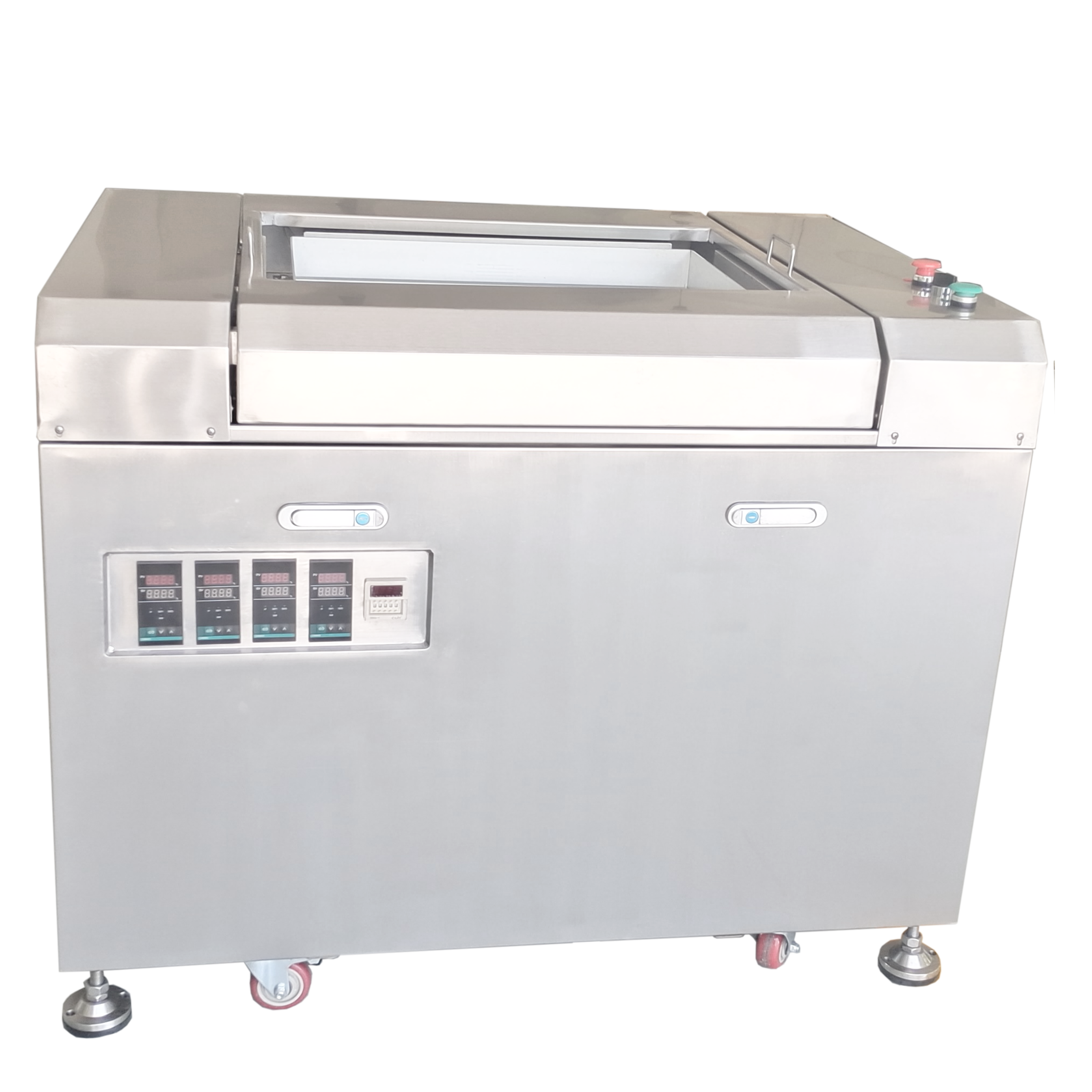
Manufacturing consistency in large-scale food production requires sophisticated approaches that go far beyond traditional commercial kitchens. Industrial baking represents a critical sector where precision, efficiency, and scalability must work in perfect harmony to meet growing consumer demands while maintaining product quality. As global food consumption continues to rise, manufacturers face increasing pressure to develop systems that can deliver consistent output without compromising on taste, texture, or nutritional value.
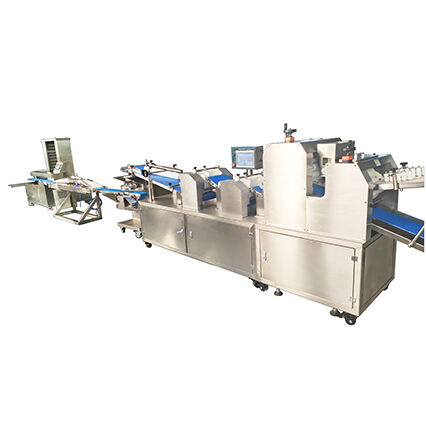
The transformation from small-batch production to industrial-scale operations involves fundamental changes in equipment, processes, and quality control measures. Modern industrial baking facilities must balance automation with flexibility, ensuring they can adapt to changing market demands while maintaining the efficiency needed for profitable operations. This evolution has led to innovative technologies and methodologies that redefine how baked goods are produced at scale.
Advanced Equipment Technologies for Scale
Automated Mixing and Dough Preparation Systems
Modern industrial baking facilities rely heavily on sophisticated mixing systems that can handle massive quantities while maintaining consistency. These systems incorporate precision weighing mechanisms that automatically measure ingredients to exact specifications, eliminating human error and ensuring uniform product quality. Advanced spiral mixers and horizontal mixers equipped with variable speed controls allow operators to adjust mixing parameters based on specific product requirements and environmental conditions.
Temperature control during mixing has become increasingly sophisticated, with many systems featuring jacketed bowls that can heat or cool ingredients as needed. This capability is particularly crucial for industrial baking operations where dough temperature directly impacts fermentation rates and final product characteristics. Integration with computerized recipe management systems allows for instant adjustments based on real-time monitoring of dough properties.
High-Capacity Oven Systems and Heat Distribution
Industrial ovens represent the heart of any large-scale baking operation, requiring careful design to ensure even heat distribution across massive baking surfaces. Tunnel ovens with multiple heating zones allow manufacturers to create precise temperature profiles that optimize baking conditions for different product stages. These systems often incorporate steam injection capabilities, enabling the production of artisan-style breads and specialty products at industrial volumes.
Energy efficiency has become a paramount concern in industrial baking, leading to innovations in heat recovery systems and insulation technologies. Modern facilities often employ heat exchangers that capture waste heat from ovens and redirect it to other processes, such as proofing chambers or ingredient warming systems. This approach not only reduces operational costs but also supports sustainability initiatives that are increasingly important to both manufacturers and consumers.
Process Optimization and Quality Control
Standardized Recipe Management
Consistency in industrial baking begins with rigorous recipe management systems that document every aspect of production. These systems go beyond simple ingredient lists to include detailed specifications for mixing times, temperatures, humidity levels, and timing sequences. Digital recipe management platforms allow for real-time adjustments based on ingredient variations, environmental conditions, and quality control feedback.
Statistical process control has become integral to modern industrial baking operations, with manufacturers implementing sophisticated monitoring systems that track key parameters throughout production. These systems can automatically flag deviations from established norms, enabling immediate corrective action before quality issues impact large product batches. The integration of artificial intelligence and machine learning algorithms helps predict potential issues before they occur, further enhancing consistency.
Environmental Controls and Consistency Factors
Environmental consistency plays a crucial role in successful industrial baking operations, requiring precise control over temperature, humidity, and air circulation throughout production facilities. Climate control systems must account for heat generated by ovens, seasonal variations, and the impact of outdoor weather conditions on ingredient behavior. Advanced HVAC systems with zone-based controls allow manufacturers to create optimal conditions for different production stages.
Air filtration and positive pressure systems protect against contamination while maintaining the stable environment necessary for consistent fermentation and rising. Many industrial baking facilities implement cleanroom-style protocols in critical production areas, ensuring that environmental factors do not introduce variability into the manufacturing process. Regular monitoring and documentation of environmental conditions provide valuable data for troubleshooting quality issues and optimizing production parameters.
Supply Chain Integration and Raw Material Management
Ingredient Sourcing and Quality Assurance
Successful scaling of industrial baking operations requires robust supply chain management that ensures consistent ingredient quality and availability. Manufacturers must establish relationships with multiple suppliers for critical ingredients, implementing rigorous testing protocols that verify specifications before materials enter production. Ingredient variability, particularly in flour protein content and moisture levels, can significantly impact final product characteristics, necessitating adaptive recipe adjustments.
Storage and handling systems for raw materials must accommodate large volumes while preserving ingredient integrity. Automated ingredient handling systems reduce contamination risks and improve accuracy in measuring and dispensing materials. Temperature-controlled storage areas, pest management programs, and first-in-first-out inventory rotation protocols ensure that ingredients maintain their quality throughout the supply chain.
Inventory Management and Demand Forecasting
Effective demand forecasting becomes critical as industrial baking operations scale, requiring sophisticated analytics that consider seasonal patterns, market trends, and customer requirements. Advanced enterprise resource planning systems integrate production scheduling with sales forecasts, enabling manufacturers to optimize inventory levels while minimizing waste. These systems must account for the perishable nature of both ingredients and finished products.
Just-in-time delivery systems help minimize ingredient storage requirements while ensuring production continuity. However, industrial baking operations must balance efficiency gains with risk management, maintaining strategic reserves of critical ingredients to guard against supply disruptions. Supplier diversity and geographic distribution provide additional resilience against potential supply chain interruptions.
Workforce Development and Training Systems
Skills Training for Industrial Operations
The transition to industrial baking requires specialized workforce development programs that address the unique challenges of large-scale production. Operators must understand complex equipment systems, quality control procedures, and safety protocols that are specific to industrial environments. Cross-training programs ensure that multiple team members can handle critical functions, providing operational flexibility and reducing dependency on individual expertise.
Continuous education programs keep workers current with evolving technologies and industry best practices. Many manufacturers partner with technical colleges and industry associations to provide formal certification programs that enhance employee skills while improving retention rates. Investment in workforce development ultimately supports consistent production quality and operational efficiency.
Safety Protocols and Regulatory Compliance
Industrial baking operations must maintain rigorous safety standards that protect workers while ensuring regulatory compliance. Comprehensive safety training programs address equipment-specific hazards, chemical handling procedures, and emergency response protocols. Regular safety audits and refresher training help maintain awareness and prevent accidents that could disrupt production.
Food safety regulations require extensive documentation and traceability systems that track products from raw materials through final packaging. Employee training in Hazard Analysis Critical Control Points principles ensures that all team members understand their role in maintaining food safety standards. Regular mock recalls and audit exercises validate the effectiveness of traceability systems and identify areas for improvement.
Technology Integration and Automation
Production Line Automation Solutions
Modern industrial baking facilities increasingly rely on automated production lines that handle everything from dough mixing to final packaging. These systems incorporate sophisticated sensors and control algorithms that monitor product characteristics and adjust parameters in real-time. Vision systems can detect product defects, automatically removing non-conforming items from the production line while maintaining throughput rates.
Robotic systems handle repetitive tasks such as product placement, decoration, and packaging, reducing labor costs while improving consistency. Advanced robotics can adapt to different product sizes and configurations, providing flexibility that was previously impossible with fixed automation systems. Integration with production management software enables seamless coordination between different automated systems throughout the facility.
Data Analytics and Performance Monitoring
Real-time data collection and analysis have become fundamental to optimizing industrial baking operations. Sensor networks throughout production facilities collect information on temperatures, pressures, flow rates, and product characteristics, providing managers with comprehensive visibility into operational performance. Predictive analytics help identify maintenance needs before equipment failures occur, minimizing downtime and production disruptions.
Key performance indicators specific to industrial baking operations include energy consumption per unit, waste percentages, throughput rates, and quality metrics. Dashboard systems present this information in easily digestible formats, enabling quick decision-making and continuous improvement efforts. Historical trend analysis helps identify patterns that can inform long-term strategic planning and equipment investment decisions.
Market Adaptation and Product Diversification
Flexible Production Systems
Successful industrial baking operations must balance efficiency with flexibility, enabling rapid adaptation to changing market demands and seasonal variations. Modular production line designs allow manufacturers to reconfigure equipment layouts for different product categories without major capital investments. Quick-change tooling systems minimize downtime when switching between product variants, maximizing overall equipment effectiveness.
Multi-product capabilities have become increasingly important as consumers demand greater variety in baked goods. Industrial baking facilities must accommodate different dough types, baking temperatures, and processing requirements within the same operational framework. Advanced scheduling systems optimize production sequences to minimize changeover times while maintaining quality standards across all product lines.
Consumer Trends and Market Responsiveness
Industrial baking manufacturers must stay responsive to evolving consumer preferences for healthier ingredients, sustainable packaging, and ethnic flavors. Product development capabilities that can quickly translate market insights into scalable production processes provide competitive advantages. Test kitchens integrated with production facilities enable rapid prototyping and scale-up of new products.
Sustainability considerations increasingly influence both product development and production processes in industrial baking. Manufacturers are investing in energy-efficient equipment, waste reduction programs, and sustainable packaging solutions that align with consumer values. These initiatives often require significant process modifications but can provide long-term competitive benefits and cost savings.
FAQ
What are the main challenges when scaling from commercial to industrial baking
The primary challenges include maintaining product consistency at higher volumes, managing significantly higher ingredient costs and waste, implementing appropriate quality control systems, and ensuring adequate workforce training for complex industrial equipment. Temperature and environmental control becomes more critical, and manufacturers must invest in sophisticated monitoring systems to maintain the same quality standards achieved in smaller operations.
How does industrial baking equipment differ from commercial baking equipment
Industrial baking equipment features higher capacity, automated controls, continuous operation capabilities, and integrated quality monitoring systems. Unlike commercial equipment, industrial systems often include features like automated ingredient handling, computerized recipe management, advanced heat recovery systems, and comprehensive data logging capabilities. The equipment is designed for 24/7 operation with extensive safety and maintenance monitoring systems.
What role does automation play in consistent industrial baking output
Automation eliminates human variability in critical processes like ingredient measurement, mixing times, temperature control, and product handling. Automated systems can make real-time adjustments based on sensor feedback, maintaining consistent conditions throughout production. This technology also enables continuous monitoring and documentation of process parameters, supporting quality assurance and regulatory compliance while reducing labor costs and improving safety.
How do manufacturers ensure ingredient consistency in large-scale operations
Manufacturers implement rigorous supplier qualification programs, maintain multiple sourcing relationships for critical ingredients, and conduct extensive incoming inspection and testing. Many facilities use automated ingredient handling systems with precision weighing and environmental controls for storage. Statistical process control methods track ingredient performance over time, enabling proactive adjustments to recipes when ingredient characteristics vary from established specifications.
Table of Contents
- Advanced Equipment Technologies for Scale
- Process Optimization and Quality Control
- Supply Chain Integration and Raw Material Management
- Workforce Development and Training Systems
- Technology Integration and Automation
- Market Adaptation and Product Diversification
-
FAQ
- What are the main challenges when scaling from commercial to industrial baking
- How does industrial baking equipment differ from commercial baking equipment
- What role does automation play in consistent industrial baking output
- How do manufacturers ensure ingredient consistency in large-scale operations