
 EN
EN
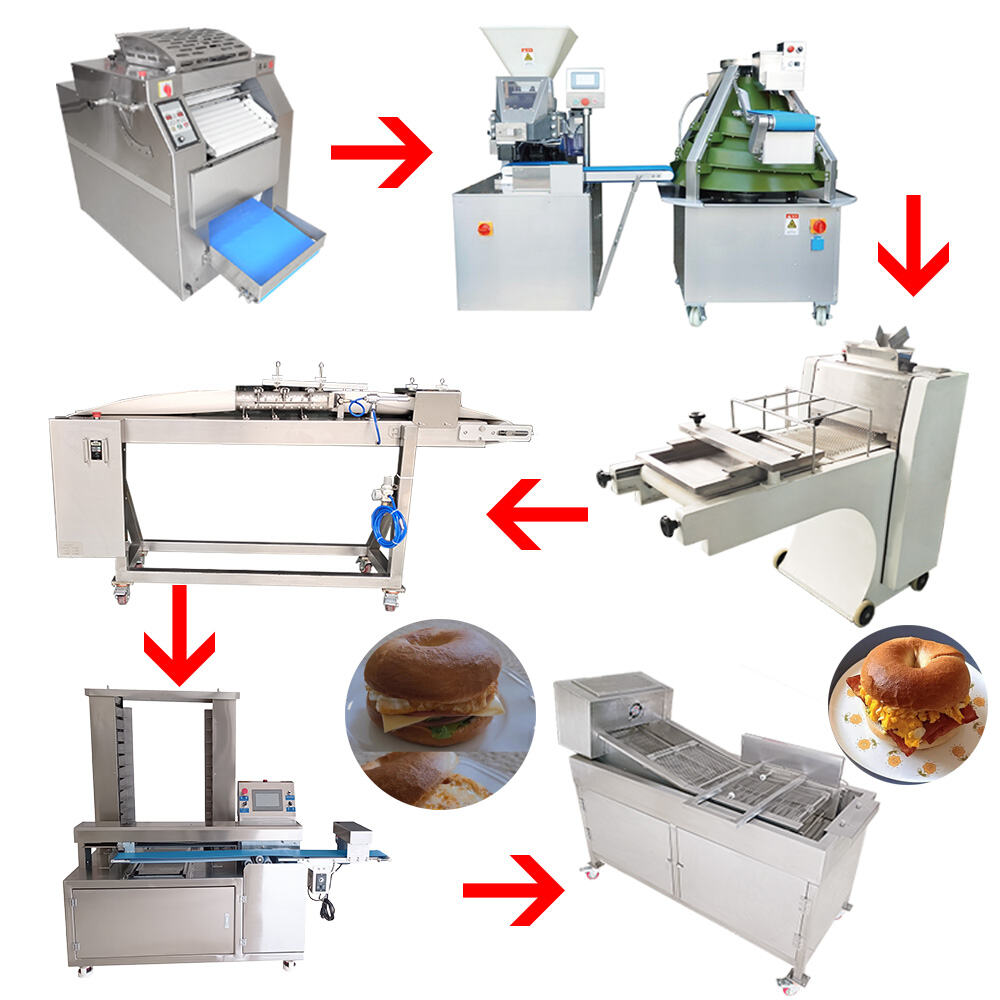
Modern industrial baking operations require precise control systems to ensure consistent product quality, maximize efficiency, and maintain food safety standards. The complexity of large-scale production demands sophisticated monitoring and automation technologies that can handle the unique challenges of commercial bakeries. Understanding which process controls matter most can significantly impact operational success and product consistency across diverse industrial baking applications.
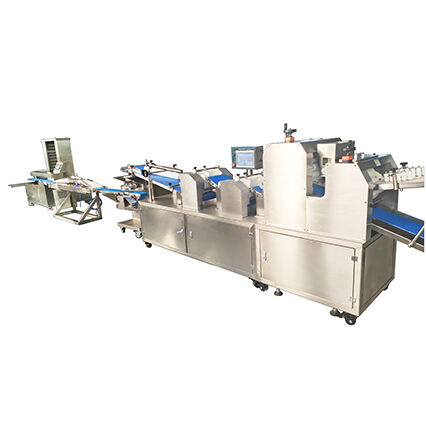
Temperature Control Systems in Commercial Bakeries
Oven Temperature Monitoring and Regulation
Temperature control represents the foundation of successful industrial baking operations, where even minor variations can result in product defects or batch failures. Advanced thermal management systems utilize multiple sensor arrays throughout oven chambers to maintain precise heat distribution and eliminate hot spots. These sophisticated controllers continuously adjust gas flow rates, electric heating elements, and air circulation patterns to maintain optimal temperatures across different zones within the baking chamber.
Professional industrial baking facilities implement zone-based temperature control systems that allow operators to customize heating profiles for specific products. Each zone can be independently controlled to accommodate the unique requirements of different baked goods, whether producing artisan breads, pastries, or specialty items. The integration of predictive algorithms helps anticipate temperature fluctuations before they impact product quality, ensuring consistent results throughout extended production runs.
Dough Temperature Management
Maintaining proper dough temperature throughout mixing and preparation stages directly influences fermentation rates and final product characteristics in industrial baking environments. Automated systems monitor ingredient temperatures and adjust mixing speeds to prevent excessive heat generation that could compromise yeast activity or gluten development. Water temperature regulation systems ensure consistent hydration while maintaining optimal dough temperatures for specific formulations.
Climate-controlled preparation areas help maintain stable environmental conditions that support consistent dough handling and processing. These systems work in conjunction with mixing equipment to prevent temperature variations that could affect proofing times or create inconsistencies in final product texture and flavor profiles.
Humidity and Atmospheric Control Systems
Proofing Chamber Environmental Management
Humidity control systems play a crucial role in industrial baking by creating optimal environments for yeast fermentation and dough development during proofing stages. Precise atmospheric management ensures consistent rising rates and prevents surface drying that can negatively impact crust formation and overall product quality. Modern facilities utilize advanced humidification systems with precise monitoring capabilities to maintain target humidity levels within narrow tolerances.
Automated atmospheric control systems continuously monitor and adjust humidity levels based on product requirements and environmental conditions. These systems integrate with production scheduling software to automatically prepare proofing chambers for incoming batches, ensuring optimal conditions are established before dough placement. The ability to create different atmospheric zones within large facilities allows simultaneous production of diverse products with varying humidity requirements.
Steam Injection Control for Crust Development
Strategic steam application during initial baking phases creates the desired crust characteristics that distinguish professional industrial baking products from home-baked alternatives. Automated steam injection systems deliver precisely timed moisture bursts that promote optimal crust formation while preventing excessive moisture that could compromise product structure. These systems coordinate with oven controls to ensure proper timing and duration of steam application.
Advanced steam control systems feature multiple injection points throughout oven chambers, allowing customized moisture application patterns for different product types. Integration with recipe management systems automatically adjusts steam parameters based on selected formulations, eliminating manual intervention and reducing the potential for operator error in critical production phases.
Mixing and Processing Equipment Controls
Automated Mixing Process Management
Sophisticated mixing control systems ensure consistent dough development by monitoring mixing speeds, times, and ingredient incorporation rates throughout the blending process. These systems utilize torque sensors and power monitoring to detect proper gluten development and automatically adjust mixing parameters to achieve target dough characteristics. Integration with ingredient dosing systems creates seamless workflows that minimize handling and reduce contamination risks.
Modern industrial baking facilities implement recipe-driven mixing controls that automatically configure equipment settings based on selected formulations. These systems store multiple mixing profiles and can seamlessly transition between different products without manual reconfiguration. Automated cleaning cycles and sanitization protocols maintain equipment hygiene standards between production runs.
Ingredient Dosing and Scaling Systems
Precise ingredient measurement and dosing systems form the backbone of consistent industrial baking operations, where accurate formulations directly impact product quality and cost control. Automated scaling systems utilize high-precision load cells and flow controllers to ensure exact ingredient proportions for each batch. These systems integrate with inventory management software to track ingredient usage and automatically generate procurement recommendations.
Advanced dosing systems feature multiple ingredient handling capabilities, including liquid additives, dry ingredients, and specialty components that require specific handling protocols. Contamination prevention measures, including dedicated lines for allergen-containing ingredients, help maintain product integrity and compliance with food safety regulations throughout industrial baking processes.
Quality Control and Monitoring Systems
Real-Time Product Quality Assessment
Continuous quality monitoring systems provide immediate feedback on product characteristics throughout industrial baking processes, enabling rapid adjustments to maintain consistent output quality. Vision-based inspection systems evaluate color development, size uniformity, and surface characteristics to identify potential quality issues before products complete the baking cycle. These systems can automatically trigger process adjustments or alert operators to conditions requiring intervention.
Integration of moisture analyzers and texture measurement devices provides comprehensive product evaluation that extends beyond visual inspection capabilities. These systems generate detailed quality reports that support continuous improvement initiatives and help identify trends that may indicate equipment maintenance needs or process optimization opportunities in industrial baking operations.
Traceability and Documentation Systems
Comprehensive data logging systems capture critical process parameters throughout production cycles, creating detailed records that support quality assurance and regulatory compliance requirements. These systems automatically document temperature profiles, timing sequences, ingredient lots, and other critical control points that influence product quality in industrial baking environments. Integration with enterprise resource planning systems provides seamless data flow for inventory management and customer order tracking.
Advanced traceability systems utilize barcode or RFID technology to maintain product identification throughout processing and packaging stages. This capability enables rapid response to quality issues and supports efficient recall procedures when necessary, demonstrating the comprehensive approach required for professional industrial baking operations.
Energy Management and Efficiency Controls
Thermal Energy Recovery Systems
Energy efficiency represents a critical consideration in industrial baking operations, where thermal energy recovery systems can significantly reduce operational costs while maintaining optimal production conditions. Heat exchangers capture waste heat from oven exhaust systems and redirect this energy to preheat incoming air or support other facility heating requirements. These systems often achieve substantial energy savings while reducing environmental impact.
Advanced energy management systems monitor consumption patterns throughout industrial baking processes and identify optimization opportunities that maintain product quality while reducing energy costs. Integration with production scheduling systems enables load balancing that takes advantage of off-peak energy rates and optimizes equipment utilization across different production periods.
Preventive Maintenance and Equipment Monitoring
Predictive maintenance systems continuously monitor equipment performance parameters to identify potential issues before they impact production in industrial baking facilities. Vibration analysis, temperature monitoring, and performance trending help maintenance teams schedule interventions during planned downtime rather than responding to unexpected failures. These systems reduce maintenance costs while improving overall equipment reliability.
Integration of maintenance management systems with production planning software ensures optimal scheduling of preventive maintenance activities that minimize disruption to industrial baking operations. Automated alerts and work order generation streamline maintenance workflows while maintaining detailed service records that support equipment lifecycle management and regulatory compliance requirements.
FAQ
What are the most critical temperature control points in industrial baking?
The most critical temperature control points include oven zone temperatures, dough temperature during mixing, ingredient storage temperatures, and ambient conditions in proofing areas. Each of these points requires precise monitoring and control to ensure consistent product quality. Oven zone control is particularly important as it directly affects baking uniformity and crust development across large production runs.
How do humidity controls impact industrial baking product quality?
Humidity controls significantly influence yeast activity during proofing, crust formation during baking, and product texture in finished goods. Proper humidity management prevents surface drying during proofing while enabling controlled moisture application during baking phases. Industrial baking operations require precise humidity control systems to maintain consistent atmospheric conditions that support optimal fermentation and baking processes.
What role do automated mixing controls play in large-scale production?
Automated mixing controls ensure consistent dough development by precisely managing mixing speeds, times, and ingredient incorporation sequences. These systems eliminate human variability while monitoring dough development through torque sensors and power consumption analysis. In industrial baking environments, automated controls enable reliable scaling of recipes and maintain consistency across multiple production lines operating simultaneously.
How important are traceability systems for industrial baking operations?
Traceability systems are essential for industrial baking operations as they provide complete documentation of ingredients, process parameters, and quality control measures for each production batch. These systems support food safety compliance, enable rapid response to quality issues, and facilitate efficient recall procedures when necessary. Modern industrial baking facilities rely on comprehensive traceability to meet regulatory requirements and maintain customer confidence in product quality and safety.