
 EN
EN
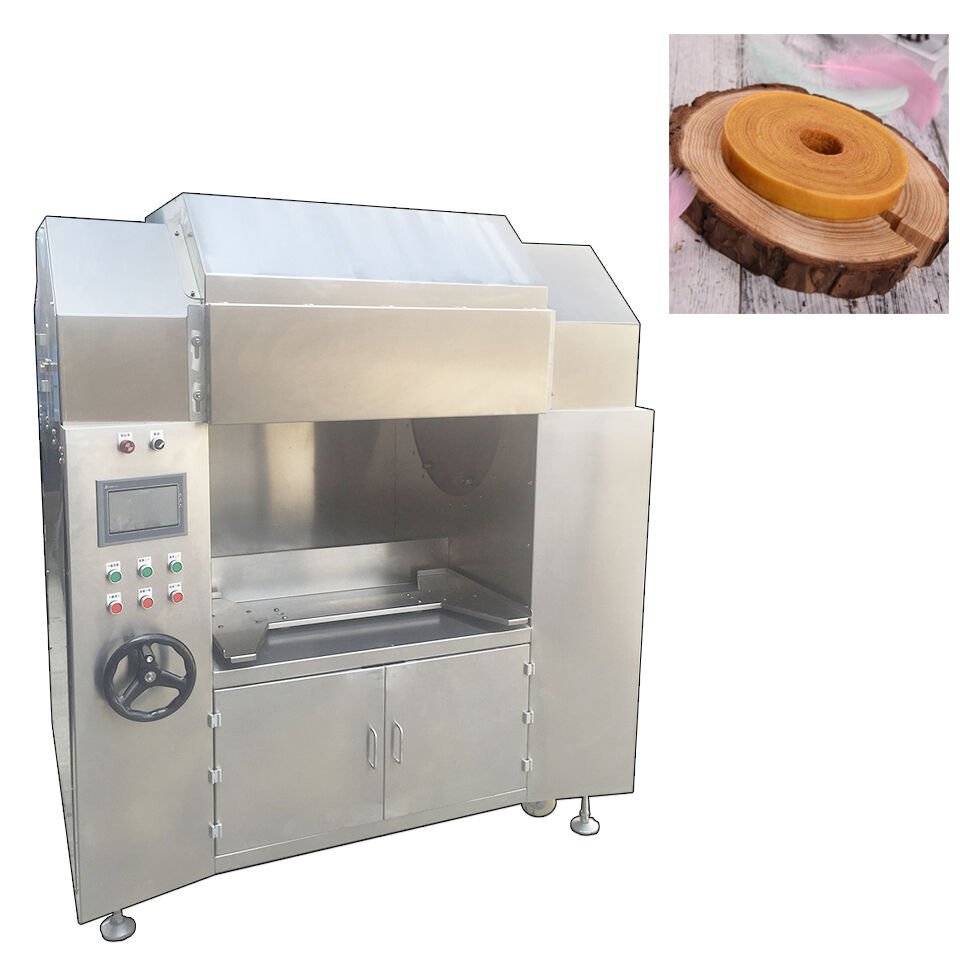
Baumkuchen stands as one of the most distinctive and visually striking desserts in the world, capturing the imagination of pastry enthusiasts with its unique concentric ring pattern that resembles tree rings. Unlike conventional cakes that are mixed and baked in a single process, baumkuchen requires a specialized technique that creates its signature layered appearance through gradual baking and rotating methods. This German-origin confection has gained tremendous popularity across various cultures, particularly in Japan where it has become a beloved luxury dessert. Understanding the fundamental differences between baumkuchen and regular cake reveals not only contrasting preparation methods but also distinct textural experiences and cultural significance that set this remarkable dessert apart from traditional baking approaches.
Origins and Historical Background
German Heritage and Cultural Significance
The history of baumkuchen traces back to medieval Germany, where skilled bakers developed this intricate dessert as a symbol of prosperity and longevity. The name literally translates to tree cake in German, reflecting the distinctive ring pattern that emerges during the careful baking process. Traditional German baumkuchen was often served during special celebrations and holidays, representing the cyclical nature of seasons and the passage of time through its tree-like appearance.
German bakers originally created baumkuchen using open fire techniques, rotating wooden spits over flames to achieve the characteristic layers. This labor-intensive process required considerable skill and patience, making baumkuchen a luxury item reserved for special occasions. The cultural importance of this dessert extended beyond mere confectionery, as families would commission baumkuchen for weddings, anniversaries, and other milestone celebrations.
Evolution and Global Adaptation
As baumkuchen spread beyond German borders, different cultures adapted the recipe and preparation methods to suit local tastes and available ingredients. The dessert gained particular prominence in Japan during the early twentieth century, where it underwent significant refinement and became deeply integrated into Japanese confectionery culture. Japanese artisans elevated baumkuchen production to an art form, developing precise temperature controls and specialized equipment.
Modern baumkuchen preparation has benefited from technological advances, allowing bakers to achieve consistent results while maintaining the traditional aesthetic appeal. Contemporary variations include different flavoring options, size modifications, and presentation styles that cater to diverse market preferences while preserving the essential characteristics that define authentic baumkuchen.
Manufacturing Process and Techniques
Layer-by-Layer Construction Method
The most fundamental difference between baumkuchen and regular cake lies in the construction process, where baumkuchen requires sequential layer application rather than single-batch mixing and baking. Professional bakers begin by preparing a liquid batter similar to sponge cake but with specific consistency requirements that allow for proper adherence between layers. The rotating cylinder or spit mechanism serves as the foundation for building successive layers of batter.
Each layer must be completely set before the next application, requiring precise timing and temperature control throughout the extended baking process. The rotation speed, batter thickness, and heat distribution all contribute to achieving uniform ring formation and preventing layer separation. This methodical approach can take several hours to complete a single baumkuchen, contrasting sharply with regular cake preparation times.
Equipment and Temperature Requirements
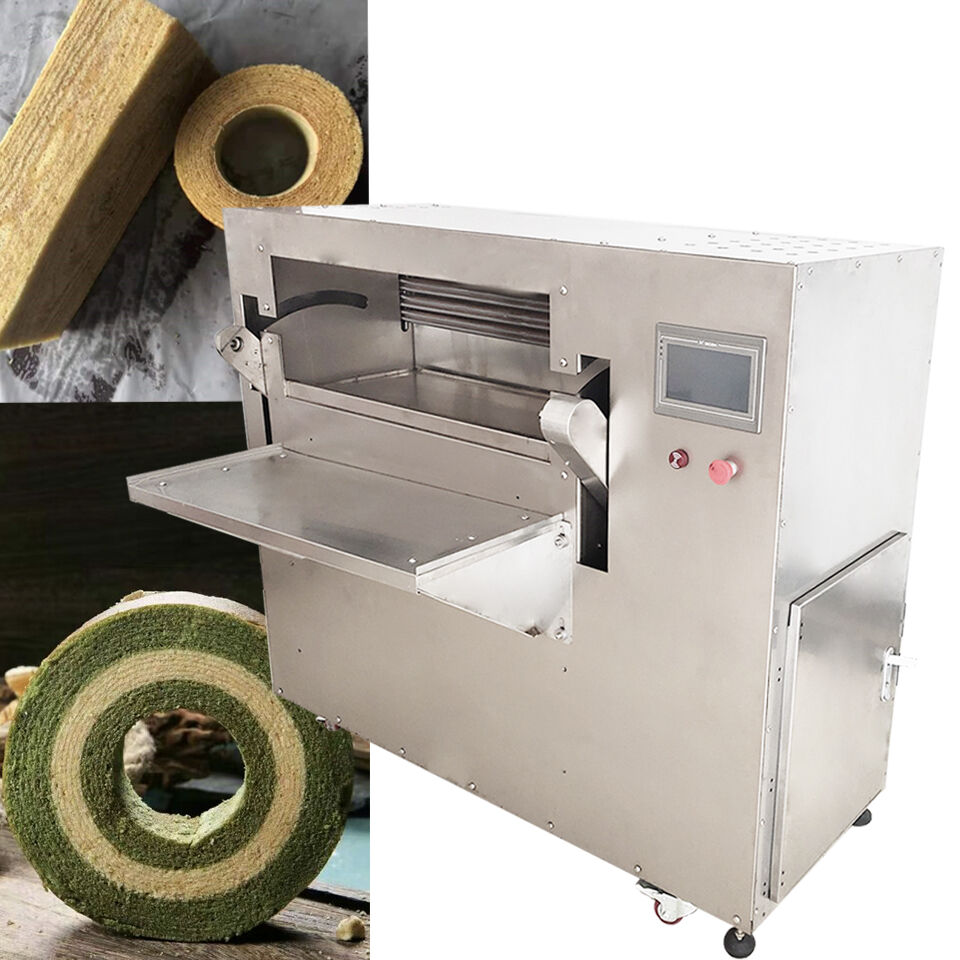
Specialized baumkuchen production requires dedicated rotating ovens or manual spit systems that maintain consistent heat while allowing continuous rotation of the developing cake. Temperature control becomes critical as each layer must cure properly without burning while the interior layers continue cooking gradually. Professional bakeries invest in sophisticated equipment that automates rotation speeds and monitors internal temperatures throughout the process.
The baking environment for baumkuchen differs significantly from conventional cake ovens, often requiring open flame or radiant heat sources that create the characteristic browning pattern on each layer. Modern electric rotisserie-style ovens have made baumkuchen production more accessible while maintaining the essential rotating mechanism that defines the layering process.
Texture and Flavor Characteristics
Distinctive Mouthfeel and Density
Baumkuchen exhibits a unique texture profile that distinguishes it from regular sponge or butter cakes, featuring a denser, more compact crumb structure resulting from the layered construction method. Each ring creates subtle textural variations as you bite through the concentric circles, providing a satisfying chewing experience that differs from the uniform texture of traditional cakes. The gradual baking process develops deeper flavors within each layer while maintaining moisture throughout the finished product.
The characteristic firmness of baumkuchen allows for precise slicing that showcases the beautiful ring pattern, while regular cakes might crumble or compress under similar cutting pressure. This structural integrity makes baumkuchen particularly suitable for gifting and presentation purposes, as slices maintain their shape and visual appeal over extended periods.
Flavor Development and Enhancement
The extended baking process of baumkuchen allows for complex flavor development that cannot be achieved through conventional single-stage baking methods. Each successive layer benefits from the accumulated heat and moisture of previous layers, creating depth and richness that intensifies throughout the cake. Traditional baumkuchen flavoring focuses on vanilla, butter, and subtle spices that complement rather than overpower the inherent cake flavors.
Contemporary baumkuchen variations incorporate diverse flavoring options including matcha, chocolate, fruit extracts, and liqueurs, with each layer potentially carrying different flavor notes. This layering approach enables graduated flavor transitions within a single dessert, offering complexity that regular cakes achieve only through frosting or filling additions.
Cultural Impact and Market Positioning
Luxury Dessert Status
Baumkuchen occupies a premium position in the confectionery market due to its labor-intensive production process and distinctive appearance that commands higher prices compared to regular cakes. The time investment required for proper baumkuchen preparation translates into limited production quantities, maintaining exclusivity and perceived value among consumers. Gift-giving traditions have particularly embraced baumkuchen as a symbol of thoughtfulness and quality.
Marketing strategies for baumkuchen emphasize craftsmanship, authenticity, and traditional techniques that appeal to consumers seeking artisanal desserts. The visual impact of properly sliced baumkuchen creates immediate recognition and social media appeal that regular cakes struggle to match without additional decoration or presentation enhancements.
Regional Preferences and Adaptations
Different markets have developed unique preferences for baumkuchen characteristics, with Japanese consumers favoring lighter, more delicate textures while European markets tend toward richer, denser versions. These regional variations influence ingredient selections, baking techniques, and final presentation styles while maintaining the essential ring structure that defines baumkuchen identity.
Seasonal offerings and limited editions have become common strategies for maintaining consumer interest in baumkuchen, with specialty flavors and packaging designs that celebrate local festivals or cultural events. This approach contrasts with regular cake marketing that typically focuses on everyday accessibility and convenience.
Production Efficiency and Scalability
Commercial Manufacturing Considerations
Large-scale baumkuchen production presents unique challenges compared to regular cake manufacturing, requiring specialized equipment investments and trained operators capable of managing the complex layering process. Automated systems have been developed to handle rotation, batter application, and temperature monitoring, but production rates remain significantly lower than conventional cake lines. Quality control becomes more demanding as defects in early layers can compromise entire production runs.
Economic considerations for baumkuchen manufacturing include higher labor costs, extended production times, and specialized equipment maintenance that affects overall profitability margins. Successful commercial operations typically focus on premium market segments where higher prices justify the additional production complexities and resource requirements.
Quality Control and Consistency Challenges
Maintaining consistent baumkuchen quality requires precise control over multiple variables including batter consistency, rotation speed, temperature profiles, and timing intervals between layer applications. Variations in any of these factors can result in irregular ring formation, layer separation, or uneven browning that compromises the visual appeal and structural integrity of the finished product.
Training requirements for baumkuchen production exceed those for regular cake manufacturing due to the technical skills needed for proper layer timing and equipment operation. Quality assurance protocols must address layer adhesion, moisture distribution, and ring definition standards that do not apply to conventional cake production processes.
FAQ
How long does it take to make baumkuchen compared to regular cake?
Baumkuchen requires significantly more time than regular cake due to its layer-by-layer construction method. While a typical sponge cake might bake in 30-45 minutes, baumkuchen can take 2-4 hours depending on the desired thickness and number of layers. Each layer must be partially set before applying the next, creating an extended production timeline that cannot be rushed without compromising quality.
Can I make baumkuchen at home without special equipment?
Home preparation of baumkuchen is possible using improvised rotating mechanisms such as rotisserie attachments for conventional ovens or manual rotation techniques over open flames. However, achieving professional-quality results requires consistent rotation speed and temperature control that specialized equipment provides. Many home bakers opt for simplified versions that capture the visual appeal while accepting some compromise in texture and uniformity.
What makes baumkuchen more expensive than regular cakes?
The higher cost of baumkuchen reflects the labor-intensive production process, specialized equipment requirements, and extended baking times that increase manufacturing expenses. Additionally, the skill level required for proper execution and the limited production quantities contribute to premium pricing. The positioning as a luxury or artisanal product also supports higher margins compared to mass-produced regular cakes.
Does baumkuchen taste different from regular sponge cake?
Yes, baumkuchen develops a more complex flavor profile through its extended layered baking process, creating deeper, more concentrated tastes compared to regular sponge cake. The texture is typically denser and more substantial, with subtle variations between the layers that provide a unique eating experience. The gradual baking process also enhances butter and vanilla flavors while creating slight caramelization that adds richness not found in conventional cakes.