
 EN
EN
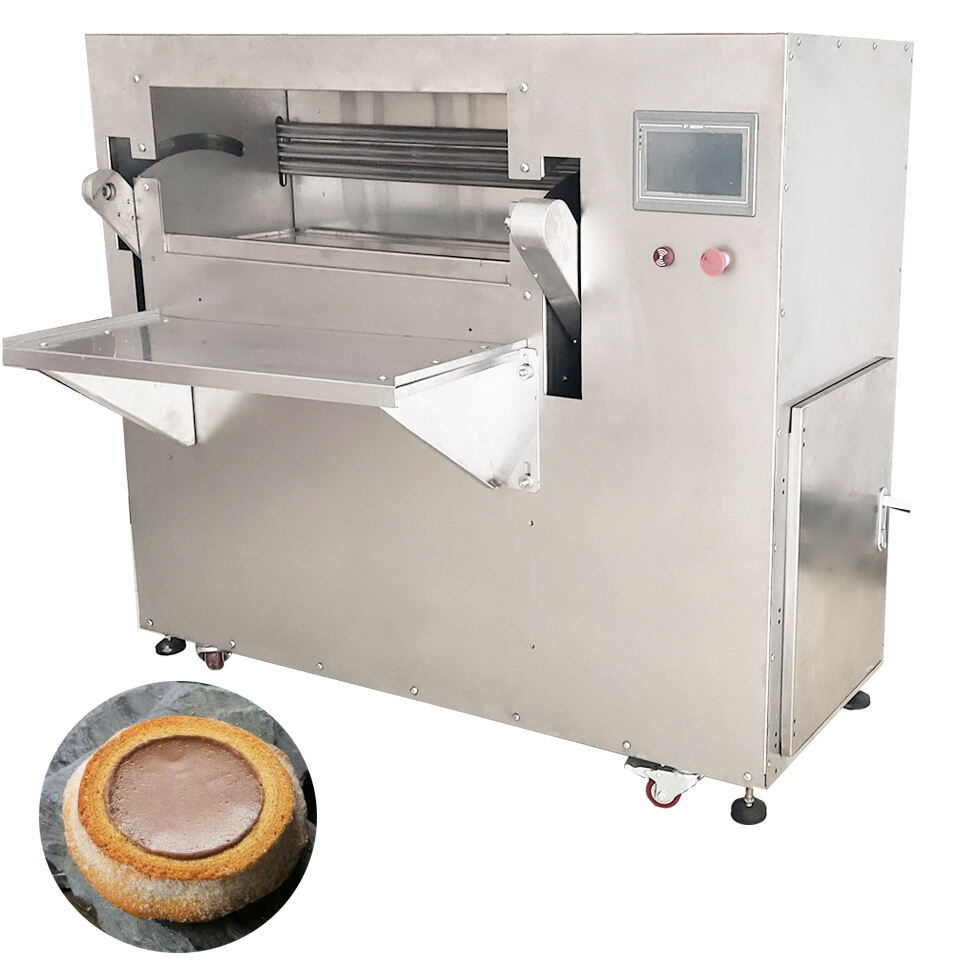
Baumkuchen, often referred to as the "king of cakes," holds a fascinating place in culinary history that spans continents and centuries. This distinctive layered cake, whose name literally translates to "tree cake" in German, has captivated dessert enthusiasts worldwide with its unique ring-shaped appearance and delicate flavor profile. The origins of Baumkuchen can be traced back to medieval European baking traditions, where skilled artisans developed specialized techniques to create its signature concentric layers that resemble the annual rings of a tree trunk. Understanding the rich heritage of this remarkable confection reveals not only its cultural significance but also the evolution of baking technology and craftsmanship that continues to influence modern pastry arts.
Medieval European Origins and Early Development
Ancient Germanic Baking Traditions
The earliest documented references to Baumkuchen-style cakes appear in Germanic regions during the late medieval period, approximately in the 14th and 15th centuries. Medieval bakers in what is now Germany and Austria began experimenting with spit-roasting techniques traditionally used for meats, adapting these methods for cake preparation. The process involved wrapping cake batter around a rotating wooden or metal rod, then slowly cooking it over an open fire while continuously adding thin layers of fresh batter. This laborious technique required exceptional skill and patience, as each layer needed to cook perfectly before the next could be applied.
Guild records from medieval German cities indicate that Baumkuchen production was considered a specialized craft requiring years of apprenticeship to master. The complexity of the process meant that only the most skilled bakers could successfully create these elaborate cakes, making them luxury items reserved for special occasions and wealthy patrons. The distinctive appearance of the finished product, with its clearly defined rings resembling tree growth patterns, made Baumkuchen a symbol of longevity and prosperity in Germanic culture.
Evolution of Baking Techniques
As European baking evolved through the Renaissance period, refinements in Baumkuchen production techniques began to emerge. Bakers developed more sophisticated rotating mechanisms and temperature control methods, allowing for more consistent results and intricate layer patterns. The introduction of improved ovens and specialized equipment during the 16th and 17th centuries enabled bakers to create larger and more elaborate versions of the traditional cake. Regional variations began to appear across different Germanic territories, with each area developing its own specific recipes and preparation methods.
The standardization of measurements and ingredients during this period also contributed to the reliability of Baumkuchen production. Bakers began documenting their techniques more systematically, leading to the preservation of traditional methods that would later influence modern production approaches. The cake's reputation spread beyond Germanic regions, reaching other European courts and establishing its status as a prestigious confection worthy of royal celebrations and diplomatic gifts.
Cultural Significance and Symbolism
Traditional Ceremonial Uses
Throughout its history, Baumkuchen has held deep cultural significance in Germanic societies, particularly in relation to wedding ceremonies and anniversary celebrations. The concentric rings of the cake symbolize the layers of shared experiences and memories that couples accumulate over time, making it a popular choice for matrimonial festivities. Traditional German wedding customs often incorporated Baumkuchen as a centerpiece dessert, with the number of visible rings sometimes interpreted as a prediction of the couple's future years of happiness together.
Religious festivals and seasonal celebrations also featured Baumkuchen prominently, especially during Christmas and Easter periods. The cake's association with trees and natural growth cycles aligned with ancient Germanic beliefs about renewal and the cyclical nature of life. Families would often commission special Baumkuchen for milestone celebrations such as christenings, confirmations, and significant birthdays, viewing the elaborate preparation process as a form of devotional offering that honored the importance of the occasion.
Regional Variations and Adaptations
Different regions across Central Europe developed their own interpretations of Baumkuchen, incorporating local ingredients and flavor preferences while maintaining the fundamental layered structure. Austrian variations often included almond meal and honey, reflecting the region's abundant nut production and beekeeping traditions. Swiss adaptations frequently incorporated local dairy products and mountain herbs, creating unique flavor profiles that distinguished them from their German counterparts.
The spread of Baumkuchen traditions across European borders occurred through various channels, including royal marriages, trade relationships, and cultural exchanges between neighboring regions. Each adaptation retained the essential characteristics of the original while reflecting local culinary preferences and available ingredients. These regional variations contributed to the rich diversity of Baumkuchen styles that would later influence its development in other parts of the world.
Introduction to Japan and Asian Development
Early 20th Century Cultural Exchange
The introduction of Baumkuchen to Japan represents one of the most significant chapters in the cake's global history. German confectioner Karl Juchheim is widely credited with bringing this traditional European dessert to Japan in the early 1920s. Juchheim, who had been captured as a prisoner of war during World War I, remained in Japan after the conflict and established a bakery that would become instrumental in popularizing Baumkuchen throughout the country. His authentic German preparation methods and dedication to traditional techniques earned him recognition as the father of Japanese Baumkuchen culture.
The timing of Baumkuchen's introduction to Japan coincided with a period of significant Western cultural influence and modernization. Japanese consumers were eager to embrace European sophistication and craftsmanship, making them receptive to the elaborate presentation and refined taste of authentic Baumkuchen. The cake's visual appeal and symbolic significance resonated deeply with Japanese aesthetic sensibilities, particularly the concept of natural beauty represented by the tree ring patterns.
Japanese Innovation and Mass Production
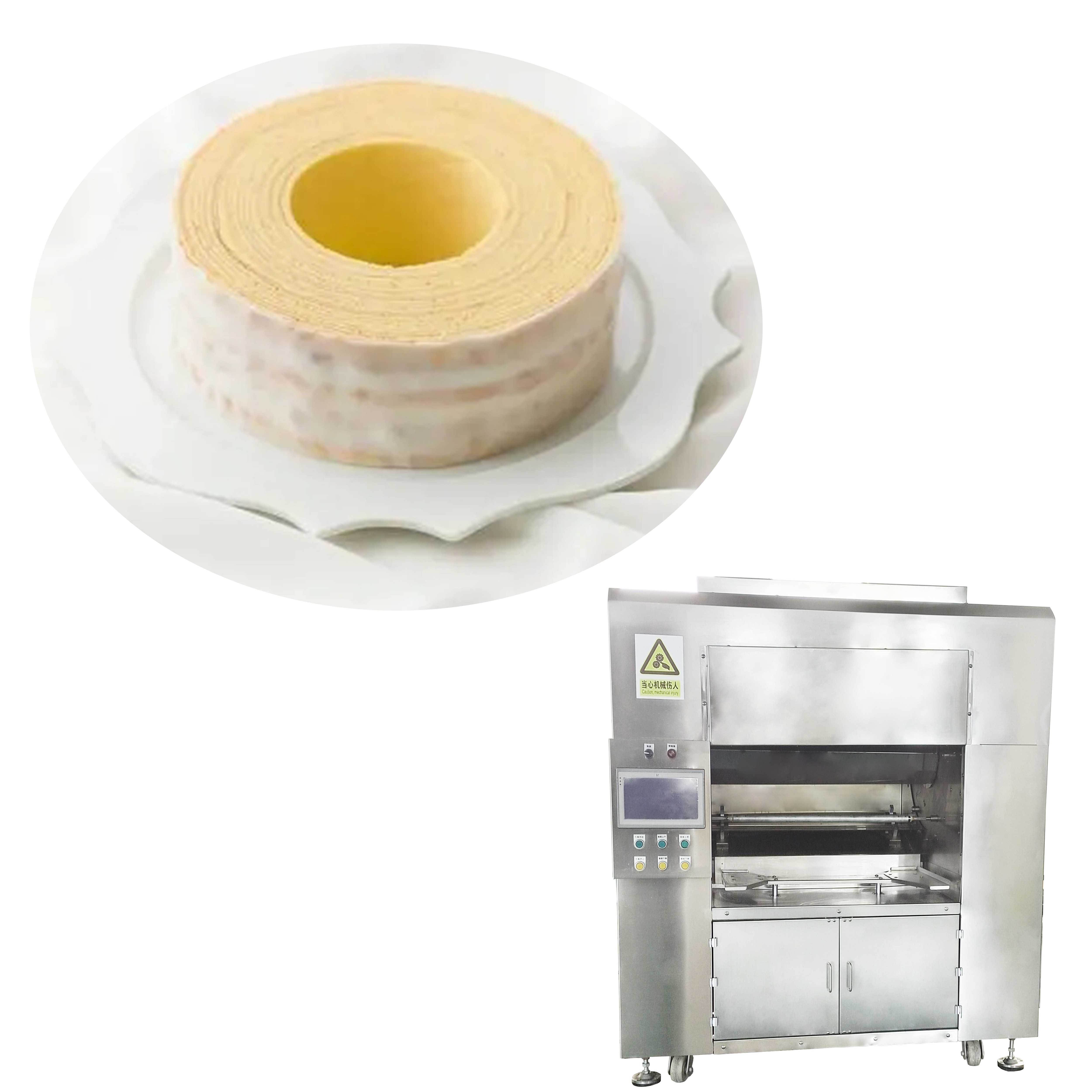
Japanese confectioners quickly recognized the commercial potential of Baumkuchen and began developing innovative production methods to make it more accessible to broader audiences. The introduction of mechanized rotating ovens and automated batter application systems revolutionized traditional hand-crafting techniques while maintaining the essential characteristics of the original product. These technological advances allowed Japanese manufacturers to produce Baumkuchen on an industrial scale without compromising quality or visual appeal.
Japanese adaptations of Baumkuchen also incorporated local flavor preferences, including matcha green tea, black sesame, and seasonal fruit variations that appealed to domestic tastes. The development of individual-serving sizes and attractive packaging made Baumkuchen an ideal gift item, aligning with Japanese gift-giving traditions and social customs. This commercialization strategy proved highly successful, establishing Japan as the world's largest consumer and producer of Baumkuchen by the mid-20th century.
Modern Production Methods and Technology
Industrial Manufacturing Innovations
Contemporary Baumkuchen production has evolved significantly from its medieval origins, incorporating advanced machinery and precision control systems that ensure consistent quality and appearance. Modern automated production lines feature computer-controlled rotating ovens that maintain exact temperatures and timing sequences throughout the layering process. These sophisticated systems can produce multiple cakes simultaneously while monitoring each stage of development to prevent defects and optimize texture consistency.
Quality control measures in modern Baumkuchen manufacturing include digital imaging systems that analyze layer uniformity, moisture content sensors that ensure proper texture development, and automated packaging systems that preserve freshness and presentation. These technological advances have made it possible to produce high-quality Baumkuchen at scale while maintaining the visual and textural characteristics that define authentic products. The integration of food safety protocols and traceability systems also ensures that modern production meets international standards for commercial distribution.
Artisanal Revival and Craft Production
Despite the prevalence of industrial production methods, there has been a renewed interest in traditional handcrafted Baumkuchen techniques among artisanal bakers and specialty confectioners. This revival movement emphasizes the use of premium ingredients, small-batch production methods, and traditional preparation techniques that honor the historical roots of the craft. Artisanal producers often focus on creating unique flavor combinations and personalized designs that cater to discerning customers seeking authentic experiences.
The craft Baumkuchen movement has also sparked innovation in equipment design, with manufacturers developing specialized small-scale rotating ovens and precision tools that enable individual bakers to achieve professional results. These developments have made traditional Baumkuchen production more accessible to culinary schools, boutique bakeries, and enthusiastic home bakers who wish to master this challenging technique. The combination of traditional methods with modern ingredient sourcing and food safety practices has created new opportunities for creative expression within the established framework of Baumkuchen tradition.
Global Influence and Contemporary Popularity
International Market Expansion
The global popularity of Baumkuchen has expanded significantly beyond its Germanic origins and Japanese adoption, with variations now appearing in bakeries and specialty shops across Asia, Europe, and North America. International food festivals and cultural exchanges have introduced Baumkuchen to diverse audiences, generating interest in both traditional preparations and innovative adaptations that reflect local tastes and ingredients. The cake's photogenic appearance and unique production process have made it particularly popular on social media platforms, driving consumer awareness and demand in new markets.
Export markets for premium Baumkuchen have developed in response to growing international appreciation for artisanal confections and authentic cultural experiences. Japanese manufacturers, in particular, have successfully positioned their products as luxury items in overseas markets, emphasizing the traditional craftsmanship and quality ingredients that distinguish authentic Baumkuchen from mass-produced imitations. This international expansion has also led to the establishment of specialized training programs and certification courses that ensure proper technique transmission to new generations of bakers worldwide.
Cultural Adaptation and Innovation
Contemporary interpretations of Baumkuchen continue to evolve as bakers experiment with new flavors, ingredients, and presentation styles while respecting the fundamental characteristics that define the traditional product. Fusion varieties incorporating elements from other culinary traditions have emerged, including versions that blend Baumkuchen techniques with French patisserie methods or incorporate ingredients popular in modern dessert culture. These innovations demonstrate the adaptability of the basic Baumkuchen concept while maintaining its essential identity as a layered, ring-shaped confection.
The rise of dietary accommodation trends has also influenced Baumkuchen development, with bakers creating gluten-free, vegan, and reduced-sugar versions that make the traditional cake accessible to broader audiences. These adaptations require careful reformulation of traditional recipes and modification of production techniques to achieve similar textures and appearances using alternative ingredients. The success of these specialized versions has opened new market segments and demonstrated the continued relevance of Baumkuchen in contemporary food culture.
FAQ
What makes Baumkuchen different from other layered cakes
Baumkuchen differs from other layered cakes primarily in its unique production method and distinctive appearance. Unlike traditional layer cakes that are assembled from separate components, Baumkuchen is created by gradually building up thin layers of batter on a rotating spit over heat, creating natural concentric rings that resemble tree growth patterns. This technique produces a denser, more uniform texture compared to conventional cakes, and the resulting cross-section displays clearly defined rings that cannot be replicated through standard baking methods. The specialized equipment and time-intensive process required for authentic Baumkuchen production also distinguishes it from other desserts that can be prepared using conventional ovens and mixing techniques.
How long does it take to make traditional Baumkuchen
Traditional Baumkuchen production is notably time-intensive, typically requiring several hours to complete a single cake depending on its size and desired number of layers. The process involves repeatedly applying thin coats of batter to a rotating cylinder while carefully controlling temperature and timing to ensure each layer cooks properly before adding the next. A standard-sized Baumkuchen with 15-20 visible rings usually takes between 60-90 minutes of continuous attention, while larger versions or those with more intricate layer patterns may require up to 3-4 hours. Modern automated production systems can reduce this timeframe significantly, but artisanal hand-crafted versions still require the traditional extended preparation period to achieve authentic results and proper texture development.
Why is Baumkuchen so popular in Japan compared to other countries
Baumkuchen achieved exceptional popularity in Japan due to a combination of cultural, aesthetic, and commercial factors that aligned perfectly with Japanese preferences and traditions. The cake's introduction during a period of Western cultural fascination, combined with its visual appeal and symbolic significance representing growth and longevity, resonated deeply with Japanese consumers. Japanese confectioners also demonstrated remarkable innovation in adapting production methods for mass manufacturing while maintaining quality, making Baumkuchen widely accessible through convenient packaging and distribution systems. The integration of local flavors and the positioning of Baumkuchen as an ideal gift item further enhanced its appeal, as it perfectly suited Japanese gift-giving customs and social practices surrounding special occasions and business relationships.
Can Baumkuchen be made without specialized equipment
While authentic Baumkuchen traditionally requires specialized rotating equipment and precise temperature control, creative home bakers have developed alternative methods that can produce similar results using more accessible tools. Some techniques involve using conventional ovens with manual rotation methods, though these approaches typically produce fewer distinct layers and may not achieve the same uniform appearance as professional equipment. Modern small-scale rotating devices designed for home use have made traditional techniques more accessible, though they still represent a significant investment compared to standard baking equipment. The key challenges in home production include maintaining consistent heat distribution, achieving proper batter consistency, and developing the timing skills necessary to build layers successfully without specialized monitoring systems.