
 EN
EN
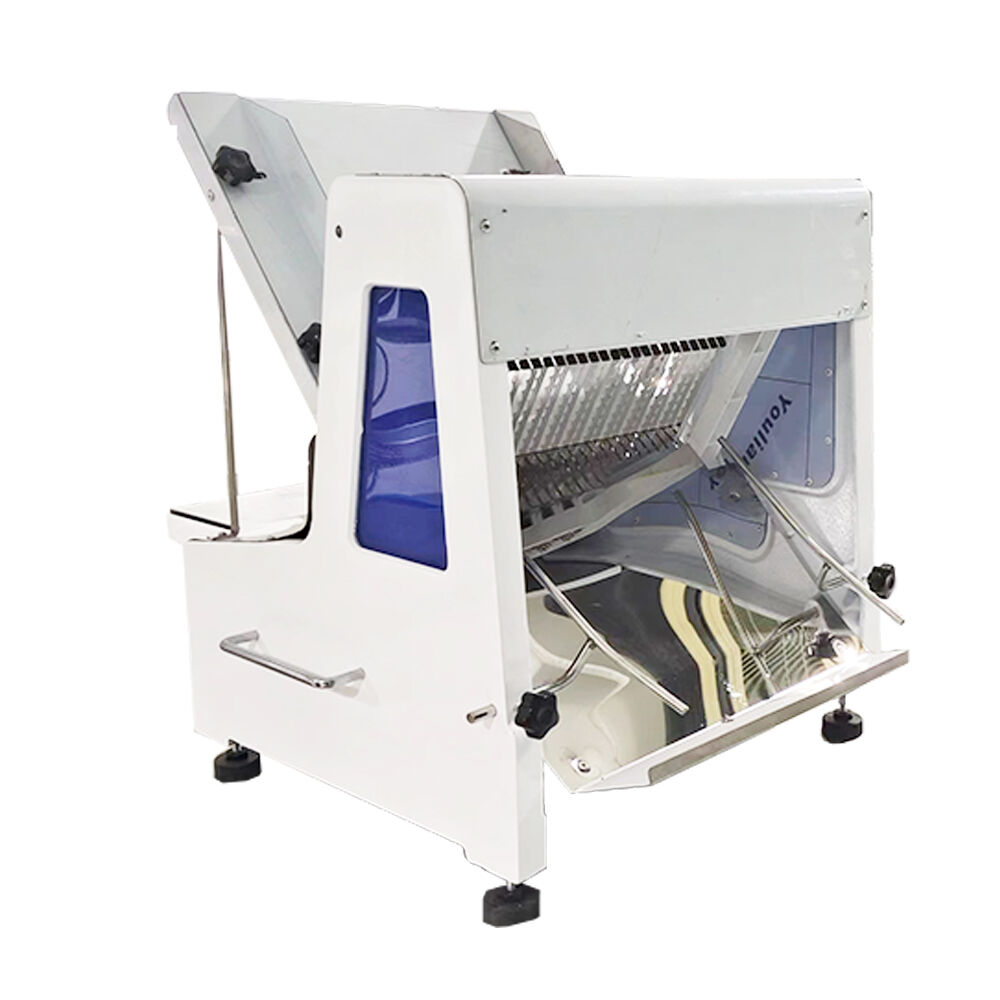
Modern food production relies heavily on specialized machinery to transform raw ingredients into the products we consume daily. Understanding the various types of food processing equipment is essential for manufacturers, restaurant owners, and anyone involved in commercial food preparation. From mixing and grinding to packaging and preservation, food processing equipment encompasses a vast range of machinery designed to enhance efficiency, maintain quality, and ensure food safety standards.
Primary Processing Equipment Categories
Preparation and Handling Systems
The foundation of any food processing operation begins with preparation and handling systems. These machines are responsible for the initial stages of food transformation, including washing, sorting, and basic preparation tasks. Vegetable washers utilize high-pressure water jets and rotating drums to remove dirt and contaminants from fresh produce. Sorting equipment employs optical sensors and conveyor systems to separate products based on size, color, and quality parameters.
Material handling systems form the backbone of efficient food processing facilities. Conveyor belts, pneumatic tubes, and automated guided vehicles transport ingredients and finished products throughout the production line. These systems minimize manual labor while maintaining hygienic conditions essential for food safety. Advanced handling equipment often includes temperature-controlled environments to preserve product integrity during transportation.
Size Reduction and Particle Processing
Size reduction represents a critical category of food processing equipment that transforms raw materials into desired particle sizes and textures. Industrial grinders utilize various mechanisms including hammer mills, ball mills, and knife mills to achieve specific particle distributions. Meat processing facilities rely on specialized grinders that can handle different protein types while maintaining temperature control to prevent spoilage.
Crushing and milling equipment serves diverse applications across the food industry. Grain mills transform wheat, corn, and other cereals into flour and meal products using roller mills or stone grinding systems. Spice processing requires precision grinding equipment capable of producing consistent particle sizes while preserving volatile oils and flavor compounds. These machines often incorporate cooling systems to prevent heat damage during processing.
Mixing and Blending Technologies
Industrial Mixing Systems
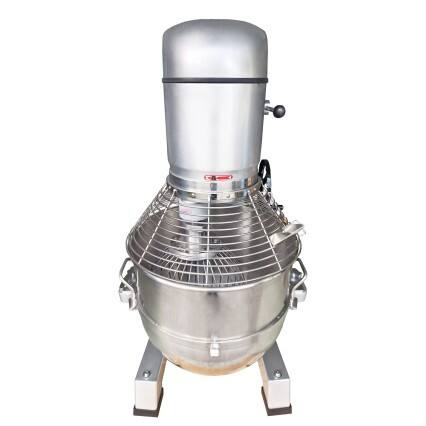
Commercial mixing represents one of the most fundamental operations in food processing, requiring specialized equipment designed to handle various viscosities and ingredient combinations. Planetary mixers feature rotating bowls and multiple mixing attachments to achieve thorough ingredient incorporation. These versatile machines accommodate everything from bread dough to cake batters, with programmable controls ensuring consistent results across production batches.
Ribbon blenders excel at combining dry ingredients and powdered materials through gentle folding action. The unique ribbon-shaped agitator creates a three-dimensional mixing pattern that prevents ingredient segregation while minimizing product damage. Many food manufacturers utilize food processing equipment like high-capacity ribbon blenders for spice blending, flour mixing, and supplement manufacturing operations.
Specialized Blending Applications
Emulsification equipment creates stable mixtures of oil and water-based ingredients through high-shear mixing action. Homogenizers force liquid mixtures through small orifices under extreme pressure, breaking down particle sizes to create smooth, uniform products. Dairy processing relies heavily on homogenizers to produce milk products with consistent texture and extended shelf life.
Vacuum mixing systems operate under reduced atmospheric pressure to prevent air incorporation and oxidation during processing. These specialized mixers are essential for producing mayonnaise, salad dressings, and other emulsion-based products where air bubbles could compromise product quality. Temperature-controlled mixing chambers maintain optimal processing conditions throughout the blending cycle.
Heat Processing and Thermal Treatment
Cooking and Roasting Equipment
Thermal processing equipment encompasses a wide range of machinery designed to apply controlled heat treatment for cooking, sterilization, and flavor development. Industrial ovens utilize various heating methods including convection, conduction, and radiation to achieve desired cooking results. Continuous tunnel ovens feature conveyor systems that transport products through temperature-controlled zones, enabling high-volume production with consistent quality.
Roasting equipment specifically targets applications requiring dry heat application to develop flavor and texture characteristics. Coffee roasters employ rotating drums with precise temperature control to achieve optimal bean development. Nut roasting systems utilize fluidized bed technology to ensure even heat distribution while preventing scorching or over-processing.
Sterilization and Pasteurization Systems
Food safety regulations require specific thermal treatments to eliminate pathogenic microorganisms and extend product shelf life. Pasteurization equipment applies controlled heat treatment to liquid products like milk, juice, and beverages. High-temperature short-time pasteurizers utilize plate heat exchangers to rapidly heat and cool products while preserving nutritional content and flavor profiles.
Retort systems provide sterilization capabilities for packaged food products through steam or water immersion processing. These pressure vessels achieve temperatures above boiling point to ensure complete microbial destruction while maintaining product integrity. Automated retort systems include programmable controls for precise time and temperature management throughout the sterilization cycle.
Separation and Filtration Technologies
Mechanical Separation Systems
Separation equipment plays a vital role in food processing by isolating specific components or removing unwanted materials from product streams. Centrifugal separators utilize rotational force to separate materials based on density differences. Cream separators in dairy processing use this principle to isolate milk fat from skim milk, while oil processing facilities employ centrifuges to separate oil from water and solid impurities.
Screening equipment provides mechanical separation based on particle size differences. Vibratory screens use oscillating motion to separate materials through mesh openings of varying sizes. Food processing equipment manufacturers design specialized screens for applications ranging from flour sifting to seed cleaning, with sanitary construction features essential for food-grade applications.
Advanced Filtration Methods
Membrane filtration systems employ semi-permeable barriers to separate components at the molecular level. Reverse osmosis equipment removes dissolved solids from water and liquid products, while ultrafiltration concentrates proteins and other macromolecules. These advanced separation technologies enable precise control over product composition and purity levels.
Clarification equipment removes suspended solids and particulates from liquid products through various mechanisms including sedimentation, flotation, and filtration. Wine and beer production relies on clarification systems to achieve desired clarity and stability. Juice processing utilizes enzymatic clarification combined with mechanical separation to produce clear, shelf-stable products.
Packaging and Preservation Equipment
Filling and Sealing Systems
Modern packaging operations require sophisticated food processing equipment capable of accurately dispensing products into containers while maintaining hygienic conditions. Volumetric fillers measure precise quantities of liquid or semi-solid products using piston pumps or flow meters. Weight-based filling systems utilize load cells to ensure accurate portioning regardless of product density variations.
Sealing equipment creates hermetic closures to prevent contamination and extend product shelf life. Heat sealing systems use controlled temperature and pressure to fuse packaging materials together. Vacuum packaging equipment removes air from packages before sealing, significantly extending product freshness and preventing oxidation.
Modified Atmosphere and Preservation
Modified atmosphere packaging systems replace package air with specific gas mixtures to optimize product preservation. These systems inject nitrogen, carbon dioxide, or oxygen in precise ratios to inhibit microbial growth and maintain product quality. Fresh produce packaging often utilizes these technologies to extend shelf life while preserving appearance and nutritional content.
Freeze-drying equipment removes moisture from products while maintaining cellular structure and nutritional integrity. This preservation method creates lightweight, shelf-stable products that reconstitute quickly when rehydrated. Pharmaceutical and specialty food applications frequently employ freeze-drying technology for high-value products requiring extended storage capabilities.
Quality Control and Testing Equipment
Inspection and Detection Systems
Quality assurance requires specialized food processing equipment designed to detect defects, contaminants, and quality deviations throughout production processes. X-ray inspection systems identify foreign objects including metal, glass, and stone contaminants that could pose safety hazards. These automated systems scan products at high speeds while maintaining production throughput rates.
Vision inspection systems utilize digital cameras and image processing algorithms to evaluate product appearance, size, and color characteristics. These systems automatically reject products that fail to meet predetermined quality standards, ensuring consistent output quality. Optical sorting equipment combines vision systems with pneumatic rejection mechanisms to remove defective products from production lines.
Laboratory and Analysis Equipment
Food testing laboratories require specialized analytical equipment to verify product safety and quality parameters. Moisture analyzers determine water content levels critical for product stability and shelf life calculations. pH meters and titration systems measure acidity levels essential for food safety and flavor profile maintenance.
Microbiological testing equipment enables rapid detection of pathogenic organisms and spoilage bacteria. Automated colony counters accelerate bacterial enumeration procedures while maintaining accuracy standards. These quality control measures ensure that food processing equipment operations consistently produce safe, high-quality products that meet regulatory requirements and consumer expectations.
FAQ
What factors should be considered when selecting food processing equipment for a new facility
Selecting appropriate food processing equipment requires careful evaluation of production capacity requirements, product specifications, and regulatory compliance needs. Consider the types of products being processed, required throughput rates, and available facility space. Equipment should meet food safety standards including sanitary design principles, easy cleaning capabilities, and appropriate material construction. Budget constraints, maintenance requirements, and operator skill levels also influence equipment selection decisions.
How often should food processing equipment undergo maintenance and calibration
Maintenance frequency depends on equipment type, usage intensity, and manufacturer recommendations. Critical food processing equipment typically requires daily cleaning and sanitization, weekly lubrication, and monthly mechanical inspections. Calibration schedules vary but generally occur quarterly for measuring devices and annually for complex processing systems. Preventive maintenance programs help minimize unexpected downtime while ensuring consistent product quality and equipment longevity.
What are the key differences between batch and continuous food processing equipment
Batch processing equipment handles discrete quantities of ingredients in separate processing cycles, offering flexibility for multiple product types and recipe variations. Continuous processing equipment operates with constant material flow, providing higher throughput rates and consistent product quality. Batch systems typically require lower capital investment but higher labor costs, while continuous systems offer greater efficiency for high-volume production but less flexibility for product changes.
How do food processing equipment manufacturers ensure compliance with food safety regulations
Equipment manufacturers implement sanitary design principles that eliminate product entrapment areas, facilitate thorough cleaning, and use food-grade materials. Compliance involves meeting standards established by organizations like the Food and Drug Administration, USDA, and international food safety bodies. Manufacturers provide documentation including material certifications, cleaning procedures, and validation studies. Regular audits and continuous improvement programs ensure ongoing compliance with evolving regulatory requirements in food processing equipment design and manufacturing.
Table of Contents
- Primary Processing Equipment Categories
- Mixing and Blending Technologies
- Heat Processing and Thermal Treatment
- Separation and Filtration Technologies
- Packaging and Preservation Equipment
- Quality Control and Testing Equipment
-
FAQ
- What factors should be considered when selecting food processing equipment for a new facility
- How often should food processing equipment undergo maintenance and calibration
- What are the key differences between batch and continuous food processing equipment
- How do food processing equipment manufacturers ensure compliance with food safety regulations