
 EN
EN
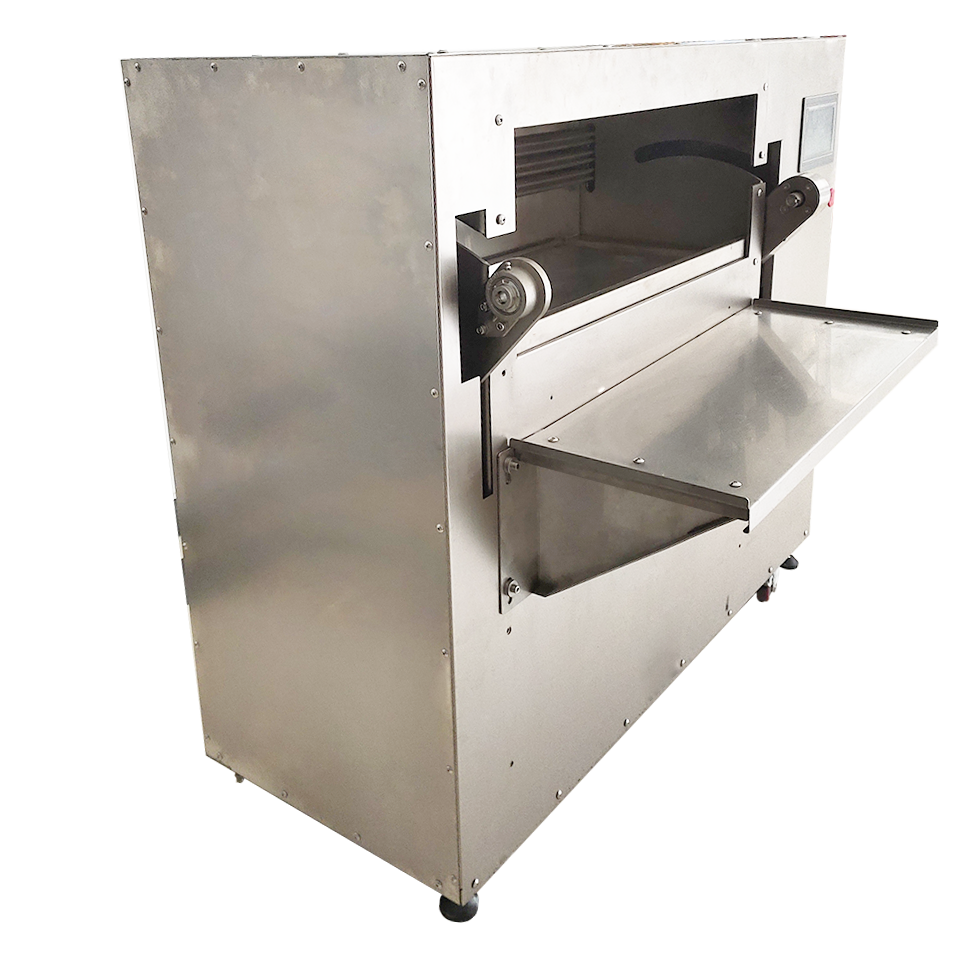
Proper maintenance of an annual ring cake machine is essential for ensuring consistent product quality, extending equipment lifespan, and maintaining operational efficiency in commercial bakery environments. These specialized machines require systematic care and attention to detail to produce the distinctive layered cakes that have become increasingly popular in both traditional and modern confectionery operations. Understanding the fundamental principles of maintenance will help bakery operators maximize their investment while minimizing unexpected downtime and costly repairs.
Daily Cleaning and Inspection Protocols
Surface Cleaning Procedures
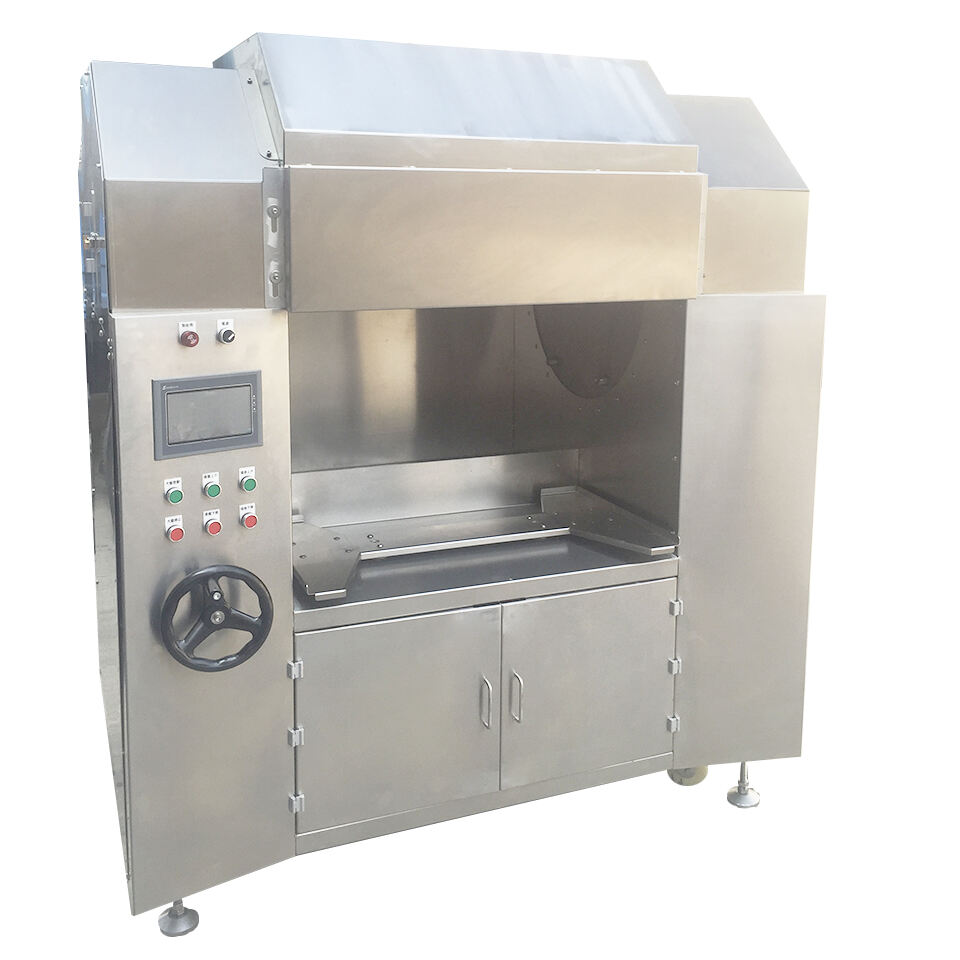
Daily cleaning routines form the foundation of effective annual ring cake machine maintenance. Begin each cleaning cycle by ensuring the machine is completely powered down and cooled to room temperature. Remove all removable components such as baking plates, mixing bowls, and dispensing mechanisms before proceeding with the cleaning process. Use food-grade sanitizers and warm water solutions to thoroughly clean all surfaces that come into contact with batter or finished products.
Pay particular attention to the rotating mechanisms and gear assemblies, as flour and batter residue can accumulate in these areas and cause mechanical issues over time. Wipe down all exterior surfaces with appropriate cleaning agents, ensuring that electrical components remain dry throughout the process. Replace any worn gaskets or seals immediately to prevent contamination and maintain proper temperature control during operation.
Component Inspection Checklist
Conduct thorough visual inspections of critical components during each daily cleaning session. Examine the heating elements for signs of damage, corrosion, or uneven heating patterns that could affect cake quality. Check all moving parts for proper alignment and smooth operation, noting any unusual sounds or vibrations that may indicate developing mechanical problems in your annual ring cake machine.
Inspect electrical connections and wiring harnesses for signs of wear, fraying, or moisture damage that could pose safety hazards or operational risks. Verify that all safety switches and emergency stops function correctly before returning the machine to service. Document any observed issues in a maintenance log to track patterns and schedule appropriate preventive measures.
Lubrication and Mechanical Maintenance
Bearing and Gear Lubrication
Proper lubrication is crucial for maintaining smooth operation and preventing premature wear in mechanical components of an annual ring cake machine. Follow manufacturer specifications for lubricant types and application intervals, typically ranging from weekly to monthly depending on usage intensity. Use only food-grade lubricants in areas where contact with food products is possible, and ensure complete removal of old lubricant before applying fresh supplies.
Focus particular attention on the rotating drum mechanisms and drive chains, as these components experience the highest stress during normal operation. Apply lubricant to all specified grease points using appropriate dispensing equipment to ensure proper coverage without over-application. Excessive lubrication can attract dirt and debris, leading to accelerated component wear and potential contamination issues.
Belt and Chain Adjustments
Regular adjustment of drive belts and chains is essential for maintaining proper power transmission and preventing unexpected failures. Check belt tension weekly using appropriate tension gauges or following manufacturer-specified deflection measurements. Replace worn or stretched belts promptly to avoid damage to pulleys and drive components that could result in costly repairs to your annual ring cake machine.
Examine chain drive systems for proper alignment and tension, adjusting as necessary to maintain optimal power transfer efficiency. Clean chain surfaces regularly to remove accumulated debris and apply appropriate lubricants according to manufacturer recommendations. Monitor chain wear using specialized gauges and replace chains before they reach critical wear limits to prevent damage to sprockets and drive mechanisms.
Temperature Control System Maintenance
Heating Element Care
Temperature control systems require careful attention to ensure consistent baking results and energy efficiency in an annual ring cake machine. Inspect heating elements regularly for signs of damage, scaling, or uneven heat distribution that could affect product quality. Clean heating surfaces using appropriate methods and materials to remove accumulated deposits without damaging sensitive components.
Calibrate temperature sensors and control systems monthly to ensure accurate readings and consistent performance. Use certified calibration equipment and follow manufacturer procedures to maintain system accuracy within specified tolerances. Replace faulty temperature sensors immediately to prevent overheating or underheating conditions that could damage equipment or produce substandard products.
Insulation and Sealing Maintenance
Thermal insulation plays a critical role in energy efficiency and temperature stability within the baking chamber. Inspect insulation materials regularly for signs of deterioration, moisture damage, or compression that could reduce thermal efficiency. Replace damaged insulation promptly using manufacturer-approved materials to maintain optimal energy consumption and temperature uniformity.
Check door seals and gaskets for proper compression and alignment, as damaged seals can lead to heat loss and uneven baking conditions. Clean sealing surfaces regularly to remove flour and debris that could prevent proper sealing, and replace worn gaskets before they begin to affect machine performance. Proper sealing maintenance ensures consistent results and reduces operating costs in your annual ring cake machine.
Electrical System Safety and Maintenance
Control Panel and Wiring Inspection
Electrical system maintenance requires careful attention to safety procedures and regular inspection protocols. Begin all electrical maintenance with proper lockout and tagout procedures to ensure worker safety during inspection and repair activities. Examine control panels for signs of moisture intrusion, corrosion, or component overheating that could indicate developing problems in the electrical system.
Inspect wiring harnesses and connections for signs of wear, overheating, or loose connections that could cause intermittent operation or safety hazards. Use appropriate testing equipment to verify proper voltage levels and current draw within manufacturer specifications. Address any electrical anomalies immediately to prevent more serious problems that could damage sensitive electronic components in the annual ring cake machine.
Motor and Drive System Care
Electric motors and drive systems require specific maintenance procedures to ensure reliable operation and extended service life. Monitor motor operating temperatures and current draw to identify potential problems before they result in costly failures. Clean motor ventilation systems regularly to prevent overheating and ensure adequate cooling during operation.
Inspect motor mounting systems and coupling alignments to prevent vibration and premature bearing failure. Lubricate motor bearings according to manufacturer schedules using appropriate bearing greases, and monitor bearing condition through vibration analysis or temperature monitoring where applicable. Replace worn brushes in brush-type motors before they cause damage to commutators or other internal components.
Preventive Maintenance Scheduling
Weekly and Monthly Tasks
Establishing a comprehensive preventive maintenance schedule is essential for maximizing the operational life of an annual ring cake machine. Weekly maintenance tasks should include thorough cleaning of all accessible components, lubrication of specified points, and inspection of critical wear items such as belts and chains. Document all maintenance activities in a detailed log to track component performance and identify developing trends.
Monthly maintenance procedures should encompass more detailed inspections of electrical systems, temperature calibration verification, and replacement of wear items that have reached service limits. Schedule major component replacements during planned downtime periods to minimize impact on production schedules. Maintain adequate inventories of critical spare parts to reduce downtime during unexpected repairs.
Seasonal and Annual Overhauls
Comprehensive annual maintenance procedures provide opportunities to address wear items and system components that require extended downtime for proper service. Plan annual overhauls during slower production periods to minimize business impact while ensuring thorough attention to all machine systems. Include complete disassembly and inspection of critical components such as drive systems, heating elements, and control systems.
Use annual maintenance periods to update software systems, replace aging components before failure, and implement any manufacturer-recommended modifications or upgrades. Consider professional service support for complex procedures that require specialized knowledge or equipment beyond the capabilities of in-house maintenance staff. Proper planning and execution of annual maintenance ensures continued reliable operation of your annual ring cake machine throughout its service life.
Troubleshooting Common Issues
Performance and Quality Problems
Identifying and resolving common performance issues requires systematic diagnostic procedures and understanding of machine operation principles. Uneven baking patterns often indicate problems with heating element function, temperature sensor calibration, or airflow restrictions within the baking chamber. Address temperature-related issues by checking heating elements, calibrating control systems, and verifying proper insulation integrity.
Product consistency problems may result from worn mixing components, improper batter dispensing mechanisms, or timing system malfunctions in the annual ring cake machine. Inspect all product contact surfaces for wear, damage, or contamination that could affect product quality. Replace worn components promptly and recalibrate timing systems according to manufacturer specifications to restore consistent operation.
Mechanical and Operational Concerns
Mechanical issues such as unusual noises, vibrations, or irregular movement patterns require immediate attention to prevent more serious damage. Conduct systematic inspections of drive systems, bearing assemblies, and alignment components to identify the source of mechanical problems. Address lubrication deficiencies, worn components, or misalignment issues promptly to restore smooth operation.
Operational concerns including inconsistent cycle times, control system malfunctions, or safety system failures require careful diagnostic procedures to identify root causes. Use appropriate testing equipment to verify system performance and compare results against manufacturer specifications. Maintain detailed records of all troubleshooting activities to assist in future problem resolution and identify recurring issues that may require design modifications or component upgrades.
FAQ
How often should I perform deep cleaning on my annual ring cake machine
Deep cleaning procedures should be performed weekly or after every 40-50 operating hours, whichever comes first. This includes complete disassembly of removable components, thorough cleaning of all product contact surfaces, and detailed inspection of critical wear items. More frequent deep cleaning may be necessary in high-volume operations or when producing products with high fat or sugar content that can leave residue buildup.
What are the signs that my heating elements need replacement
Key indicators for heating element replacement include uneven temperature distribution across the baking surface, significantly longer heating times to reach target temperatures, visible damage such as cracks or corrosion on element surfaces, and inconsistent product quality with hot or cold spots in finished cakes. Additionally, if current draw measurements show significant deviation from manufacturer specifications, element replacement may be necessary even without visible damage.
How can I extend the lifespan of my annual ring cake machine
Maximizing equipment lifespan requires consistent adherence to preventive maintenance schedules, prompt replacement of worn components before failure, proper operator training to prevent misuse, and maintaining detailed maintenance records to track component performance. Additionally, operating the machine within manufacturer-specified parameters for production volume, temperature ranges, and product types will significantly extend service life and reduce unexpected repair costs.
What spare parts should I keep in inventory for emergency repairs
Essential spare parts inventory should include commonly replaced items such as heating elements, temperature sensors, drive belts, seals and gaskets, lubrication supplies, and basic electrical components like contactors and fuses. Consider keeping one complete set of removable product contact components to minimize downtime during cleaning or repair procedures. Consult with your equipment supplier to develop a comprehensive spare parts list based on your specific machine model and production requirements.