
 EN
EN
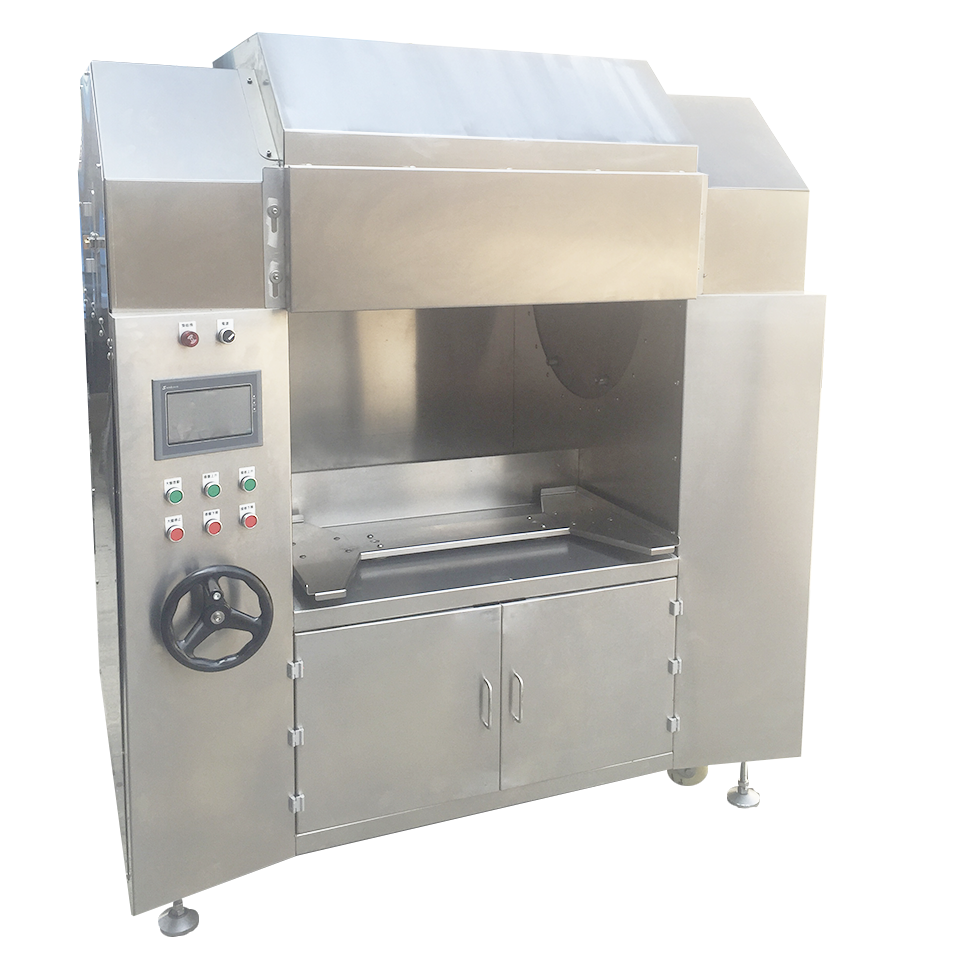
Commercial bakeries and large-scale food production facilities constantly seek equipment that delivers consistent quality while maximizing efficiency. An annual ring cake machine represents a specialized solution designed to meet the demands of high-volume cake production, particularly for businesses handling substantial order quantities. These sophisticated machines have revolutionized how commercial operations approach the production of layered cakes, offering unprecedented control over texture, consistency, and output rates.
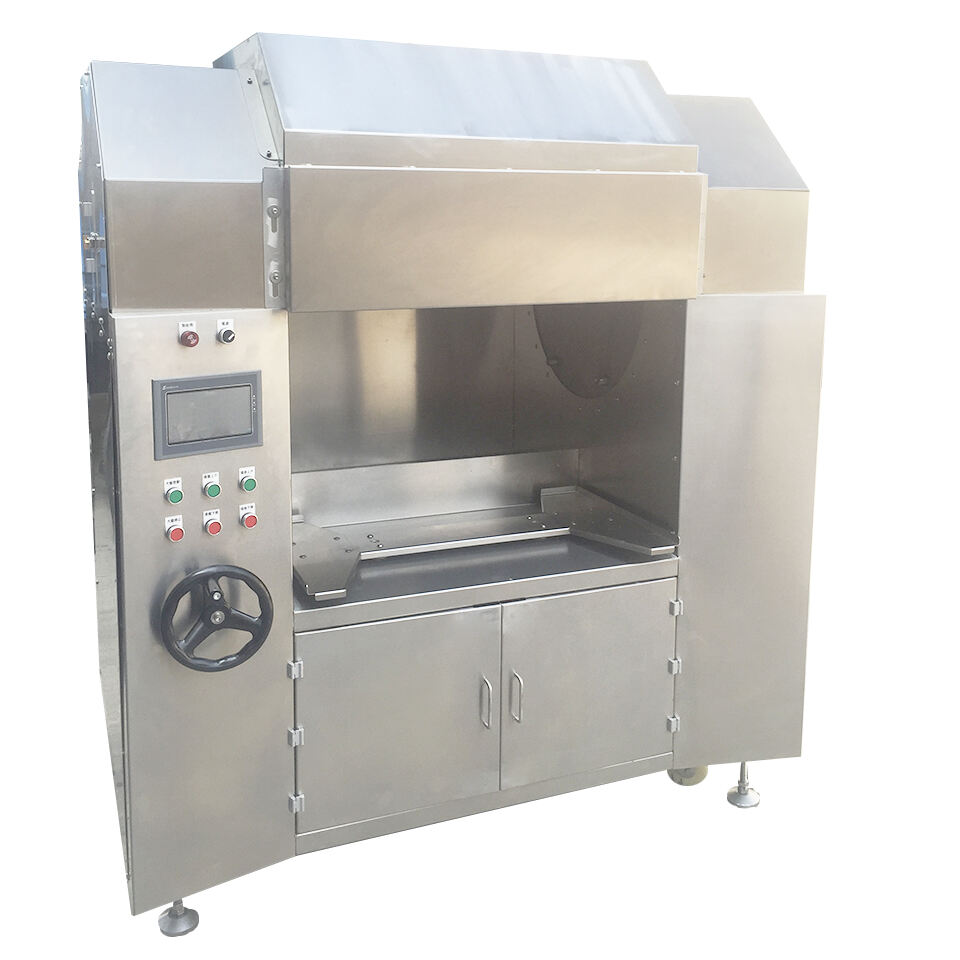
The growing demand for consistent, high-quality baked goods in commercial settings has made automated equipment essential for maintaining competitive advantage. Modern food production requires machinery that can handle repetitive processes with minimal variation, ensuring every product meets established quality standards. This technology addresses the challenges faced by commercial bakeries when scaling up production without compromising the artisanal quality that customers expect.
Production Efficiency and Speed Optimization
Automated Processing Capabilities
The primary advantage of implementing an annual ring cake machine lies in its ability to automate complex production processes that would otherwise require significant manual labor. These machines can produce multiple cakes simultaneously, dramatically reducing the time required per unit compared to traditional hand-mixing and layering methods. The automation extends beyond simple mixing to include precise temperature control, timing mechanisms, and consistent layering patterns that ensure uniform product quality.
Commercial operations benefit from the machine's capacity to maintain continuous production cycles without the fatigue factors that affect human workers. The equipment can operate for extended periods while maintaining consistent output quality, making it ideal for large orders that require hundreds or thousands of units within tight deadlines. This reliability becomes crucial during peak seasons or when fulfilling substantial commercial contracts.
Scalability for Large Order Management
When handling substantial orders, an annual ring cake machine provides the scalability that manual production methods cannot match. The equipment allows businesses to accept larger contracts with confidence, knowing they can deliver consistent results within specified timeframes. This scalability directly translates to increased revenue potential and the ability to compete for enterprise-level contracts that smaller operations cannot accommodate.
The machine's design accommodates various batch sizes, allowing operators to adjust production volumes based on current order requirements. This flexibility prevents overproduction while ensuring sufficient capacity for unexpected demand surges. The ability to quickly scale production up or down provides significant operational advantages in dynamic market conditions.
Quality Consistency and Product Standardization
Uniform Texture and Layering Control
Achieving consistent texture across large production batches represents one of the most significant challenges in commercial baking. An annual ring cake machine addresses this issue through precise mixing parameters that eliminate the variability inherent in manual preparation methods. The equipment maintains consistent mixing speeds, temperatures, and timing throughout the production cycle, resulting in uniform cake density and texture across all units.
The layering process benefits from mechanical precision that ensures each cake contains the same number of layers with identical thickness distribution. This consistency becomes particularly important for products where visual presentation affects customer satisfaction and brand reputation. Commercial clients often require exact specifications that only automated equipment can reliably deliver.
Temperature and Timing Precision
Professional-grade annual ring cake machines incorporate sophisticated temperature control systems that maintain optimal baking conditions throughout the production process. These systems monitor and adjust temperatures in real-time, preventing the hot spots and temperature fluctuations that can occur with conventional ovens. The precise temperature control ensures even cooking and prevents common issues like uneven browning or undercooked centers.
Timing precision represents another critical advantage, as the machine executes each production phase according to predetermined parameters. This eliminates human error in timing decisions and ensures consistent results regardless of operator experience levels. The automated timing systems also enable predictable production schedules that facilitate better inventory management and delivery planning.
Cost-Effectiveness and Return on Investment
Labor Cost Reduction
The implementation of an annual ring cake machine significantly reduces labor requirements for large-scale production operations. Traditional cake production methods require skilled bakers who command higher wages and may not be readily available during peak production periods. Automated equipment reduces dependency on specialized labor while enabling less experienced operators to produce professional-quality results.
The labor cost savings become particularly pronounced when calculating the total cost per unit across large production volumes. While the initial equipment investment may seem substantial, the ongoing labor savings typically result in positive return on investment within the first year of operation. These savings compound over time as production volumes increase and labor costs continue to rise in the market.
Material Waste Minimization
Precise ingredient measurement and consistent mixing processes inherent in automated systems reduce material waste compared to manual production methods. An annual ring cake machine utilizes exact ingredient ratios programmed into its control systems, eliminating the overuse of expensive ingredients that often occurs with manual measuring. This precision becomes increasingly important when dealing with premium ingredients where small savings per unit multiply significantly across large production runs.
The reduced waste extends to energy consumption as well, as automated systems optimize heating cycles and reduce overall production time. These efficiency gains contribute to lower operational costs while supporting sustainability initiatives that many commercial operations prioritize for both cost savings and environmental responsibility.
Operational Reliability and Maintenance Benefits
Equipment Durability and Longevity
Commercial-grade annual ring cake machines are engineered for continuous operation in demanding production environments. The robust construction and high-quality components ensure reliable performance even under intensive use conditions typical of large-scale commercial operations. This durability reduces unexpected downtime that can disrupt production schedules and affect customer deliveries.
The equipment's design incorporates features that facilitate routine maintenance while minimizing service intervals. Accessible components and modular construction allow maintenance teams to perform necessary service tasks quickly without extensive production shutdowns. This design philosophy supports continuous operation requirements essential for meeting large order commitments.
Predictable Maintenance Scheduling
Unlike manual production processes where equipment wear varies based on operator techniques, an annual ring cake machine operates according to consistent parameters that enable predictable maintenance scheduling. This predictability allows operations managers to plan maintenance activities during scheduled downtime without unexpected interruptions to production schedules.
The consistent operating conditions also extend component life compared to equipment subjected to variable operating stresses. This longevity reduces replacement part costs and minimizes the total cost of ownership over the equipment's operational lifetime. Preventive maintenance programs become more effective when equipment operates within designed parameters consistently.
Market Competitiveness and Business Growth
Enhanced Production Capacity
The increased production capacity enabled by an annual ring cake machine allows businesses to pursue market opportunities that would otherwise exceed their operational capabilities. This expanded capacity opens doors to wholesale accounts, institutional contracts, and large event catering opportunities that require substantial product volumes within compressed timeframes.
The ability to handle large orders reliably enhances business reputation and customer confidence, leading to repeat business and referral opportunities. Commercial clients value suppliers who can deliver consistent quality and meet delivery commitments, factors that become increasingly important as order sizes grow and timing requirements become more stringent.
Product Innovation and Customization Options
Modern annual ring cake machine systems often include programmable features that enable product customization without sacrificing production efficiency. These capabilities allow businesses to offer varied flavors, textures, and layer configurations while maintaining the consistency and speed advantages of automated production. This flexibility supports market differentiation strategies and enables premium pricing for specialized products.
The customization capabilities extend to packaging requirements as well, as consistent product dimensions facilitate automated packaging processes and reduce packaging material costs. Standardized product sizes also optimize shipping efficiency and storage utilization throughout the distribution chain.
FAQ
What production volume capabilities can an annual ring cake machine handle for large commercial orders
An annual ring cake machine typically handles production volumes ranging from 500 to 2000 units per hour depending on the specific model and configuration. These machines are designed for continuous operation and can sustain high output rates for extended periods, making them suitable for orders requiring thousands of units within short timeframes. The exact capacity depends on factors such as cake size, complexity of layering, and specific machine specifications.
How does the initial investment cost compare to long-term operational savings
While the initial investment in an annual ring cake machine can range from $50,000 to $200,000 depending on features and capacity, most commercial operations achieve return on investment within 12 to 18 months through labor cost savings and increased production efficiency. The long-term operational savings include reduced labor costs, minimized material waste, lower energy consumption per unit, and decreased maintenance expenses compared to multiple smaller production units.
What maintenance requirements should be considered for continuous large-scale operation
Regular maintenance for an annual ring cake machine includes daily cleaning protocols, weekly lubrication of moving parts, monthly calibration checks, and quarterly comprehensive inspections. Most manufacturers recommend professional service every 6-12 months depending on usage intensity. The predictable maintenance schedule allows for planned downtime during off-peak periods, ensuring continuous operation during high-demand periods when large orders require consistent production.
Can the machine accommodate different recipe variations and customization requirements
Modern annual ring cake machines feature programmable control systems that can store multiple recipe configurations, allowing operators to switch between different product variations quickly. These systems can adjust mixing parameters, baking temperatures, timing sequences, and layering patterns to accommodate various cake types, flavors, and customer specifications while maintaining consistent quality standards across all variations.
Table of Contents
- Production Efficiency and Speed Optimization
- Quality Consistency and Product Standardization
- Cost-Effectiveness and Return on Investment
- Operational Reliability and Maintenance Benefits
- Market Competitiveness and Business Growth
-
FAQ
- What production volume capabilities can an annual ring cake machine handle for large commercial orders
- How does the initial investment cost compare to long-term operational savings
- What maintenance requirements should be considered for continuous large-scale operation
- Can the machine accommodate different recipe variations and customization requirements