
 EN
EN

High-volume bakeries face constant pressure to maintain consistent production schedules while delivering quality baked goods to their customers. Traditional manual methods of creating specialty cakes often become bottlenecks in efficient operations, particularly when producing intricate items like annual ring cakes. The introduction of automated equipment has revolutionized how commercial bakeries approach these challenges, enabling them to scale production without sacrificing quality standards.
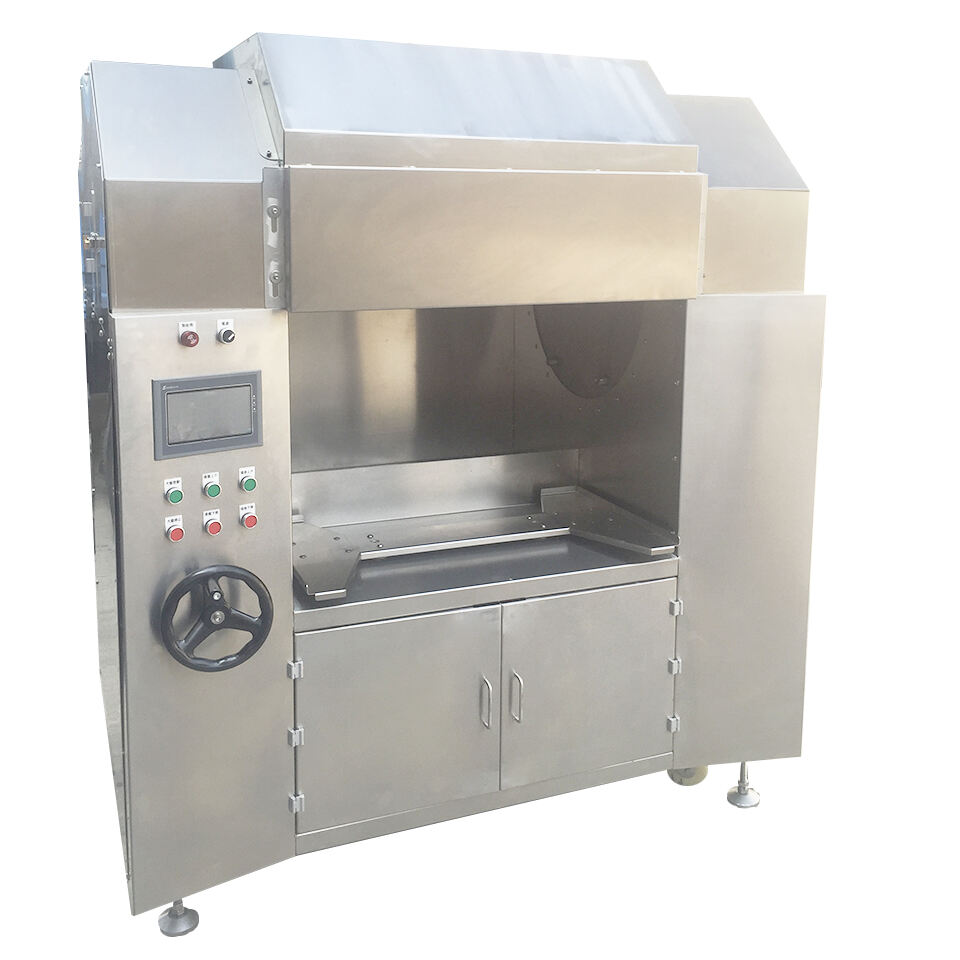
Modern bakery automation has transformed the landscape of commercial baking operations across the globe. Bakeries that once relied entirely on skilled labor and time-intensive manual processes now leverage sophisticated machinery to meet growing consumer demand. This technological evolution addresses critical operational challenges including labor costs, production consistency, and time management. The integration of specialized equipment allows bakeries to optimize their workflow while maintaining the artisanal quality that customers expect from premium baked products.
Understanding Annual Ring Cake Production Challenges
Traditional Manual Production Methods
Traditional annual ring cake production requires extensive manual labor and precise timing coordination among multiple bakers. Each cake involves creating individual layers that must be carefully measured, mixed, and baked in sequence. The process typically demands skilled pastry chefs who understand temperature control, timing intervals, and layer consistency requirements. Manual production methods often result in significant variations between batches, making it difficult to maintain uniform quality standards across large production runs.
The complexity of manual annual ring cake creation extends beyond basic mixing and baking processes. Skilled bakers must coordinate multiple workstations, manage ingredient preparation, and ensure proper cooling times between layers. This labor-intensive approach creates production bottlenecks during peak demand periods, limiting the bakery's ability to fulfill large orders efficiently. Additionally, the specialized skills required for consistent annual ring cake production make it challenging to train new staff members quickly.
Quality Consistency Requirements
High-volume bakeries must maintain strict quality standards to preserve their reputation and meet customer expectations. Annual ring cakes require precise layer thickness, uniform texture, and consistent flavor profiles throughout each batch. Manual production methods introduce human variables that can affect these quality parameters, resulting in product inconsistencies that impact customer satisfaction. Professional bakeries recognize that quality consistency directly correlates with customer retention and brand reputation.
Quality control in manual annual ring cake production involves continuous monitoring of multiple variables including ingredient ratios, mixing times, baking temperatures, and cooling periods. Experienced bakers develop intuitive understanding of these parameters through years of practice, but this knowledge transfer to new employees requires extensive training periods. The subjective nature of manual quality assessment can lead to variations in standards between different production shifts or individual bakers.
Automation Benefits in Commercial Baking
Production Speed Optimization
Automated baking equipment significantly reduces production time by eliminating manual preparation steps and streamlining workflow processes. An annual ring cake machine can produce multiple cakes simultaneously while maintaining consistent quality standards throughout the production run. This increased throughput enables bakeries to fulfill larger orders within shorter timeframes, improving overall operational efficiency and customer satisfaction.
Speed optimization through automation extends beyond individual machine capabilities to encompass entire production line efficiency. Automated systems reduce setup times, minimize changeover periods between different cake varieties, and eliminate manual handling delays. These time savings compound throughout the production day, allowing bakeries to increase their daily output capacity without extending operating hours or requiring additional staff members.
Labor Resource Management
Automation reduces dependency on specialized labor while allowing existing staff to focus on value-added activities such as decorating, packaging, and quality control. An annual ring cake machine requires minimal operator training compared to traditional manual production methods, enabling bakeries to deploy their skilled workforce more strategically. This efficient labor allocation helps reduce overall production costs while maintaining high-quality output standards.
Effective labor resource management through automation addresses the ongoing challenge of finding and retaining skilled pastry chefs in competitive job markets. Automated systems reduce the learning curve for new employees while standardizing production processes across different shifts. This consistency helps maintain product quality regardless of individual operator experience levels, providing bakeries with greater staffing flexibility and reduced training costs.
Machine Efficiency and Performance Features
Precision Control Systems
Modern annual ring cake machine designs incorporate advanced control systems that precisely manage ingredient dispensing, mixing parameters, and baking cycles. These automated controls ensure consistent layer thickness, uniform texture development, and optimal flavor integration throughout each production batch. Digital interfaces allow operators to program specific recipes and monitor production parameters in real-time, enabling immediate adjustments when necessary.
Precision control systems eliminate the guesswork associated with manual production methods by providing exact measurements and timing sequences for each cake layer. Temperature sensors, mixing speed controls, and automated timing functions work together to replicate ideal baking conditions consistently. This technological precision results in superior product quality while reducing waste from failed batches or inconsistent results.
Scalability and Flexibility
Professional-grade annual ring cake machine models offer scalable production capabilities that adapt to varying demand levels throughout different seasons or business periods. Adjustable batch sizes, programmable recipe variations, and modular design features allow bakeries to optimize their production schedules based on current market requirements. This flexibility helps maximize equipment utilization while minimizing idle time during slower business periods.
Flexibility in automated baking systems extends to recipe customization and product variety management. Modern machines can store multiple recipe profiles, enabling quick transitions between different annual ring cake variations without extensive reconfiguration. This capability allows bakeries to respond rapidly to customer preferences and seasonal demand fluctuations while maintaining efficient production workflows.
Economic Impact Analysis
Cost Reduction Strategies
Investment in an annual ring cake machine generates significant cost savings through reduced labor requirements, minimized ingredient waste, and improved energy efficiency. Automated production systems optimize ingredient usage by precisely measuring and dispensing materials according to programmed specifications. This accuracy reduces overages and inconsistencies that contribute to increased production costs in manual operations.
Long-term cost reduction benefits include decreased training expenses, reduced quality control labor, and minimized product recalls due to consistency issues. Automated systems also reduce utility costs through optimized heating cycles and energy-efficient operation modes. These cumulative savings often justify the initial equipment investment within the first year of operation for high-volume bakeries.
Return on Investment Calculations
Calculating return on investment for annual ring cake machine purchases involves analyzing current production costs, projected efficiency gains, and increased revenue potential from higher output capacity. Most commercial bakeries experience payback periods ranging from eight to eighteen months depending on their production volumes and current operational efficiency levels. Higher-volume operations typically achieve faster returns due to greater labor cost savings and increased throughput capabilities.
Revenue enhancement through automation includes the ability to accept larger orders, reduce delivery timeframes, and expand product offerings without proportional increases in labor costs. These revenue opportunities often exceed the direct cost savings from automated production, creating compelling business cases for equipment investment. Market expansion possibilities through improved production capacity further enhance the long-term financial benefits of automation adoption.
Implementation Best Practices
Installation and Setup Procedures
Successful annual ring cake machine implementation requires careful planning of facility layout, utility requirements, and workflow integration. Professional installation services ensure proper equipment positioning, adequate ventilation, and appropriate electrical connections for optimal machine performance. Proper setup procedures include calibration of control systems, verification of safety features, and comprehensive testing of all automated functions before beginning production operations.
Setup procedures also involve staff training programs that familiarize operators with machine controls, maintenance requirements, and troubleshooting procedures. Comprehensive training ensures maximum equipment utilization while minimizing operational disruptions due to operator errors. Documentation of standard operating procedures helps maintain consistency across different shifts and supports ongoing quality control efforts.
Maintenance and Operational Standards
Regular maintenance schedules are essential for maintaining optimal annual ring cake machine performance and extending equipment lifespan. Preventive maintenance programs include daily cleaning procedures, weekly calibration checks, and monthly component inspections. Following manufacturer-recommended maintenance guidelines helps prevent unexpected downtime and ensures consistent product quality throughout the equipment's operational life.
Operational standards encompass safety protocols, quality control procedures, and performance monitoring systems that support efficient machine utilization. Establishing clear operational guidelines helps maintain product consistency while protecting both equipment and personnel. Regular performance monitoring identifies optimization opportunities and potential maintenance needs before they impact production schedules.
FAQ
What production capacity can be expected from an annual ring cake machine
Production capacity varies significantly based on machine model, cake size specifications, and operational efficiency factors. Most commercial annual ring cake machine units can produce between 200-800 cakes per hour depending on their configuration and automation level. Higher-end models with advanced automation features typically achieve greater throughput while maintaining consistent quality standards. Capacity planning should consider peak demand periods and allow for routine maintenance downtime to ensure reliable production schedules.
How does automated production compare to manual methods in terms of product quality
Automated annual ring cake machine production typically delivers superior consistency compared to manual methods while maintaining comparable taste and texture quality. Machine precision in ingredient measurement, mixing timing, and temperature control eliminates human variables that can affect product uniformity. However, some artisanal bakeries prefer manual methods for specialty products where slight variations add to the product's handcrafted appeal. The choice depends on target market preferences and production volume requirements.
What training requirements exist for operating an annual ring cake machine
Operating training requirements are generally minimal compared to traditional baking skills development, typically requiring one to three days of comprehensive instruction. Training covers machine operation procedures, recipe programming, basic maintenance tasks, and troubleshooting common issues. Most manufacturers provide initial training as part of equipment purchase agreements, with ongoing support available through technical service departments. Additional training may be needed for maintenance personnel who perform more complex service procedures.
How do maintenance costs impact the overall economic benefits of automation
Maintenance costs for annual ring cake machine equipment typically represent 3-8% of the initial purchase price annually when following recommended service schedules. These costs include replacement parts, cleaning supplies, and periodic professional service visits. Preventive maintenance programs help minimize unexpected repair expenses while extending equipment lifespan. The maintenance investment is generally offset by labor savings, reduced waste, and increased production capacity that automated systems provide to high-volume bakery operations.
Table of Contents
- Understanding Annual Ring Cake Production Challenges
- Automation Benefits in Commercial Baking
- Machine Efficiency and Performance Features
- Economic Impact Analysis
- Implementation Best Practices
-
FAQ
- What production capacity can be expected from an annual ring cake machine
- How does automated production compare to manual methods in terms of product quality
- What training requirements exist for operating an annual ring cake machine
- How do maintenance costs impact the overall economic benefits of automation