
 EN
EN

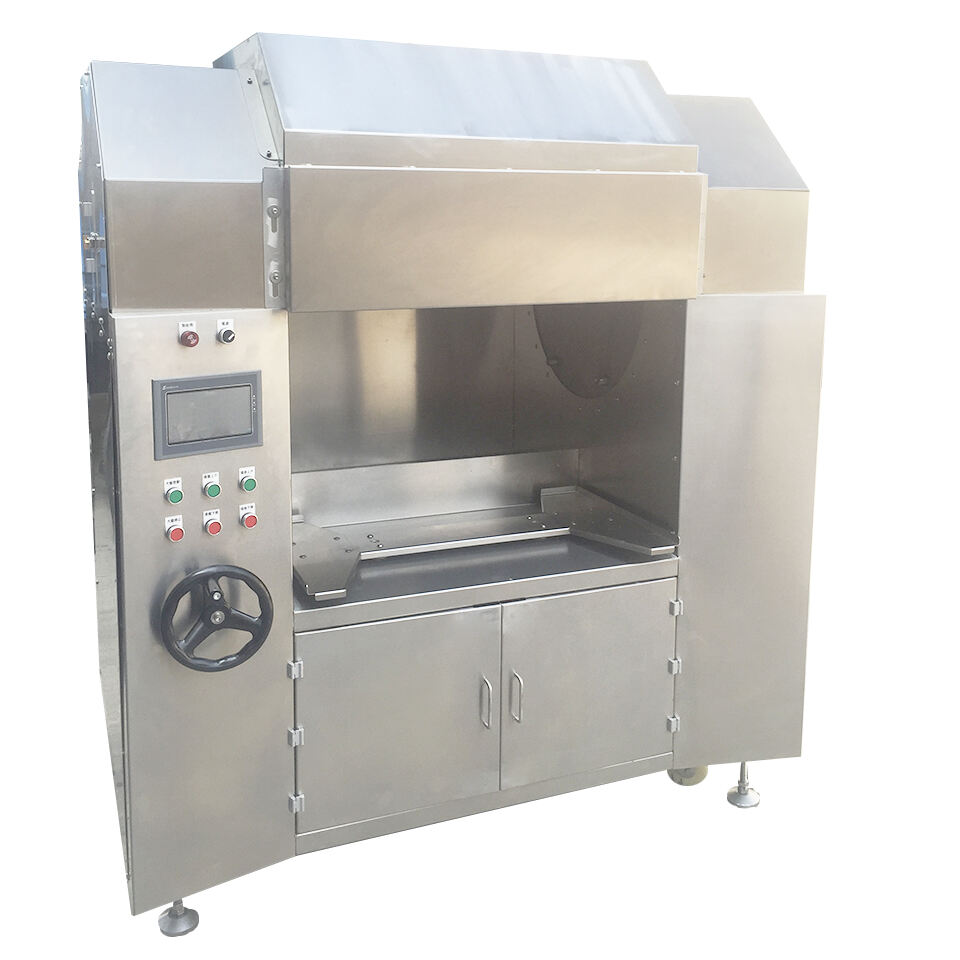
The bakery industry continues to evolve with innovative equipment that transforms traditional baking processes. Modern commercial bakeries are increasingly turning to specialized machinery to meet growing consumer demand for unique, high-quality products. An annual ring cake machine represents a significant advancement in automated baking technology, offering precision and consistency that manual methods simply cannot match. This sophisticated equipment enables bakeries to produce distinctive layered cakes with remarkable efficiency and uniform quality. The investment in such specialized machinery often determines the competitive edge that separates successful bakeries from those struggling to keep pace with market demands.
Understanding the Technology Behind Annual Ring Cake Production
Automated Layering Process
The core functionality of an annual ring cake machine revolves around its ability to create perfectly uniform layers through automated precision. This equipment utilizes a rotating spit mechanism combined with controlled batter dispensing systems to build layers gradually. Each rotation applies a thin, even coating of batter that bakes to the desired consistency before the next layer is added. The temperature control systems ensure consistent heat distribution throughout the cooking chamber, preventing uneven browning or texture variations. This automated approach eliminates the human error factor that often leads to inconsistent product quality in traditional baking methods.
The sophisticated timing mechanisms built into modern annual ring cake machines coordinate multiple functions simultaneously. Batter flow rates, rotation speeds, and heating elements all work in perfect synchronization to achieve optimal results. Advanced models feature programmable settings that allow operators to customize layer thickness, cooking times, and final product dimensions. This level of control enables bakeries to create signature products with distinctive characteristics that set them apart from competitors. The precision engineering ensures that every cake produced meets exact specifications, regardless of operator experience level.
Quality Control Features
Contemporary annual ring cake machine models incorporate multiple quality control mechanisms that monitor production parameters in real-time. Temperature sensors throughout the cooking chamber provide continuous feedback to maintain optimal baking conditions. Digital displays show critical information including internal temperature, rotation speed, and elapsed cooking time. These monitoring systems alert operators to any deviations from preset parameters, allowing for immediate corrections before product quality is compromised. The built-in safety features protect both equipment and operators while maintaining consistent production standards.
Material construction plays a crucial role in the quality assurance capabilities of professional annual ring cake machines. Food-grade stainless steel components resist corrosion and maintain hygienic conditions throughout extended production cycles. Non-stick surface treatments on rotating spits facilitate easy cake removal while preserving the delicate layer structure. Precision-machined components ensure smooth operation and minimal maintenance requirements over the equipment's operational lifespan. These quality control features collectively contribute to the reliable production of premium baked goods that meet strict commercial standards.
Financial Benefits and Return on Investment
Production Efficiency Gains
Investing in an annual ring cake machine delivers substantial productivity improvements compared to traditional manual baking methods. Automated production eliminates the labor-intensive process of manually building layers, allowing skilled bakers to focus on other high-value tasks. A single machine can typically produce multiple cakes simultaneously, dramatically increasing hourly output rates. The consistent production speed enables bakeries to fulfill larger orders within tight deadlines, opening opportunities for expanded customer bases and increased revenue streams. This efficiency gain often translates to significant labor cost savings over the equipment's operational lifetime.
The standardized production process reduces waste materials that commonly occur with manual baking techniques. Precise batter dispensing eliminates overuse of ingredients, while consistent cooking parameters prevent batches from being discarded due to quality issues. Energy efficiency features in modern annual ring cake machines optimize power consumption during operation, reducing utility costs compared to conventional oven systems. These operational savings accumulate rapidly in high-volume production environments, contributing to faster payback periods for the initial equipment investment. The reduced waste and improved efficiency create a sustainable competitive advantage in cost-conscious market segments.
Market Differentiation Opportunities
The unique visual appeal and consistent quality of machine-produced annual ring cakes create distinctive market positioning opportunities for bakeries. These specialized products command premium pricing due to their artisanal appearance and superior texture consistency. The ability to produce these cakes reliably enables bakeries to develop signature product lines that build customer loyalty and brand recognition. Market research indicates strong consumer preference for visually distinctive baked goods, particularly in gift and special occasion segments. The annual ring cake machine enables bakeries to capitalize on these market trends with minimal risk.
Customization capabilities allow bakeries to develop seasonal variations and limited-edition products that generate excitement among customers. Different flavor combinations, decorative techniques, and packaging options can transform basic annual ring cakes into premium retail products. The consistent quality and appearance enable wholesale distribution to restaurants, cafes, and retail outlets that demand reliable suppliers. This market expansion potential often justifies the equipment investment through diversified revenue streams and reduced dependence on local foot traffic. Strategic positioning in premium market segments typically yields higher profit margins than commodity baking products.
Operational Advantages for Commercial Bakeries
Staff Training and Skill Requirements
Modern annual ring cake machines feature intuitive control interfaces that minimize the specialized training required for operation. Digital touchscreen controls with preset programs allow new staff members to begin productive work quickly, reducing training costs and time investments. The automated nature of the process reduces the dependency on highly skilled bakers for consistent product quality. Standard operating procedures can be documented and followed by staff with basic technical competency, ensuring consistent results across different shifts and operators. This accessibility helps bakeries maintain production continuity despite staff turnover challenges common in the food service industry.
Safety features integrated into professional annual ring cake machines protect operators from common bakery hazards while maintaining productive output. Emergency stop functions, temperature limiters, and protective shields prevent accidents that could result in costly workplace injuries. The reduced manual handling requirements lower the risk of repetitive stress injuries associated with traditional baking methods. Clear maintenance protocols and diagnostic systems help operators identify potential issues before they become serious problems requiring expensive repairs. These safety and reliability features contribute to lower insurance costs and reduced liability concerns for bakery operations.
Maintenance and Durability Considerations
Commercial-grade annual ring cake machines are engineered for extended operational life with minimal maintenance requirements when properly cared for. Stainless steel construction resists wear and corrosion even in demanding production environments with high humidity and temperature fluctuations. Sealed bearing systems and precision-machined components operate reliably for thousands of production cycles before requiring service attention. Regular cleaning protocols using standard food-safe sanitizers maintain hygienic conditions without damaging equipment components. The robust construction typically provides reliable service for many years, making the capital investment cost-effective over the equipment's useful life.
Preventive maintenance schedules for annual ring cake machines typically involve simple tasks that can be performed by bakery staff without specialized technical expertise. Lubrication points, heating element inspections, and calibration checks are straightforward procedures that prevent major mechanical failures. Replacement parts for common wear items are readily available from equipment suppliers, minimizing production downtime when service is required. Warranty coverage and technical support services provide additional protection for the equipment investment, ensuring bakeries can maintain continuous operation even when unexpected issues arise. These reliability factors make the annual ring cake machine a dependable foundation for sustainable business growth.
Integration with Existing Bakery Operations
Space and Infrastructure Requirements
Most annual ring cake machines are designed with compact footprints that integrate efficiently into existing bakery layouts without requiring extensive renovations. Standard electrical connections and ventilation requirements typically align with existing bakery infrastructure, minimizing installation costs and complexity. The modular design of many models allows for easy relocation if bakery layouts need to be reconfigured for operational efficiency. Counter-height designs enable operators to monitor production while performing other tasks, maximizing labor utilization during production periods. These space-efficient characteristics make the equipment accessible to smaller bakeries that previously could not justify dedicated production lines for specialized products.
Installation requirements for professional annual ring cake machines typically involve standard utilities available in most commercial bakeries. Electrical connections, water access for cleaning, and adequate ventilation are common prerequisites that rarely require major infrastructure modifications. The self-contained design eliminates the need for complex ventilation systems or specialized fire suppression equipment beyond standard commercial kitchen requirements. Mobile models with locking casters provide flexibility to reposition equipment as production needs change or seasonal demands fluctuate. This adaptability helps bakeries optimize space utilization while maintaining the capability to produce annual ring cakes when market demand justifies the operational focus.
Production Scheduling Integration
The predictable production timing of annual ring cake machines enables precise scheduling coordination with other bakery operations. Automated cooking cycles with known durations allow production managers to plan staff assignments and equipment utilization efficiently. The ability to start production and monitor progress remotely frees skilled bakers to focus on other complex products requiring manual attention. Consistent production times enable accurate order fulfillment promises to customers, improving service reliability and customer satisfaction. This scheduling predictability helps bakeries optimize overall productivity by coordinating multiple product lines for maximum efficiency.
Energy consumption patterns of annual ring cake machines can be managed to minimize utility costs during peak rate periods. Programmable timers allow production scheduling during off-peak hours when electricity rates are lower, reducing operational costs without impacting product availability. The thermal mass of the equipment maintains cooking temperatures efficiently, minimizing energy waste during extended production runs. Heat recovery systems in advanced models capture waste heat for other bakery operations, further improving overall energy efficiency. These energy management capabilities contribute to sustainable operations while reducing the environmental impact of increased production capacity.
Quality and Consistency Benefits
Product Standardization
The mechanical precision of annual ring cake machines eliminates the variability inherent in manual baking processes, ensuring consistent product quality batch after batch. Automated batter dispensing systems measure exact quantities for each layer, preventing the thickness variations that affect texture and appearance in hand-built cakes. Temperature control systems maintain optimal cooking conditions throughout the entire production cycle, eliminating hot spots or uneven browning that compromise visual appeal. This standardization enables bakeries to build strong brand recognition based on consistent product quality that customers can rely on. The predictable results allow for accurate nutritional labeling and portion control required for commercial food service applications.
Consistency in annual ring cake production extends beyond visual appearance to include texture, flavor distribution, and shelf life characteristics. The controlled layering process ensures uniform moisture content throughout the product, preventing dry areas or soggy sections that occur with uneven baking. Standardized cooking parameters eliminate the guesswork involved in manual baking, where experience and intuition often determine final product quality. This reliability enables bakeries to guarantee product specifications to wholesale customers and maintain consistent pricing structures based on predictable ingredient usage. The elimination of quality variations reduces customer complaints and returns that can damage business reputation and profitability.
Scalability and Production Volume
Annual ring cake machines provide scalable production capabilities that adapt to changing business demands without compromising product quality. Multiple units can be operated simultaneously to meet high-volume orders during peak seasons or special events. The consistent production rate enables accurate capacity planning and delivery scheduling for large commercial accounts. Standardized recipes and procedures can be replicated across multiple machines, ensuring consistent quality regardless of production volume. This scalability allows bakeries to pursue larger contracts and expand market reach without the proportional increase in skilled labor typically required for manual production methods.
The ability to maintain consistent quality during high-volume production runs gives bakeries competitive advantages in commercial bidding situations. Consistent specifications enable accurate cost estimation and competitive pricing for large orders that might be unprofitable using manual production methods. The reduced labor requirements per unit produced improve profit margins on volume orders, creating opportunities for aggressive pricing strategies. Quality consistency across large production runs reduces the risk of customer dissatisfaction that could damage long-term business relationships. These scalability benefits position bakeries for sustainable growth in competitive commercial markets where reliability and consistency are critical success factors.
FAQ
How much space does an annual ring cake machine require
Most commercial annual ring cake machines require approximately 6-8 square feet of floor space, with additional clearance needed for operator access and maintenance. The compact design typically fits on standard commercial kitchen counters or dedicated equipment stands. Vertical clearance of 4-5 feet accommodates the rotating mechanism and allows for easy product removal. Many models feature mobile designs with locking casters that enable repositioning as needed for optimal workflow integration within existing bakery layouts.
What is the typical production capacity of these machines
Production capacity varies by model size, but most commercial annual ring cake machines can produce 6-12 cakes per hour depending on size and complexity specifications. Larger industrial models may achieve higher output rates with multiple rotating spits operating simultaneously. Production time for individual cakes typically ranges from 45-90 minutes depending on desired thickness and browning requirements. The consistent production rate enables accurate scheduling and capacity planning for commercial bakery operations.
How difficult is the cleaning and maintenance process
Cleaning procedures for annual ring cake machines typically involve removing non-stick spits and washing them with standard commercial dishwashing equipment. The stainless steel construction allows for sanitizer use without corrosion concerns, meeting commercial food safety requirements. Daily maintenance involves basic cleaning and visual inspections, while weekly procedures include lubrication and calibration checks. Most routine maintenance tasks can be performed by bakery staff without specialized technical training or expensive service contracts.
What types of ingredients work best with annual ring cake machines
Standard cake batters with medium consistency work optimally with most annual ring cake machine designs. Ingredients should flow smoothly through dispensing systems while maintaining structural integrity during the layering process. Batters with moderate sugar content brown evenly during the automated cooking process, creating attractive visual layers. Specialized formulations may require adjustment of dispensing rates and cooking parameters, but most traditional cake recipes adapt well to automated production methods with minor modifications to viscosity and mixing procedures.