
 EN
EN
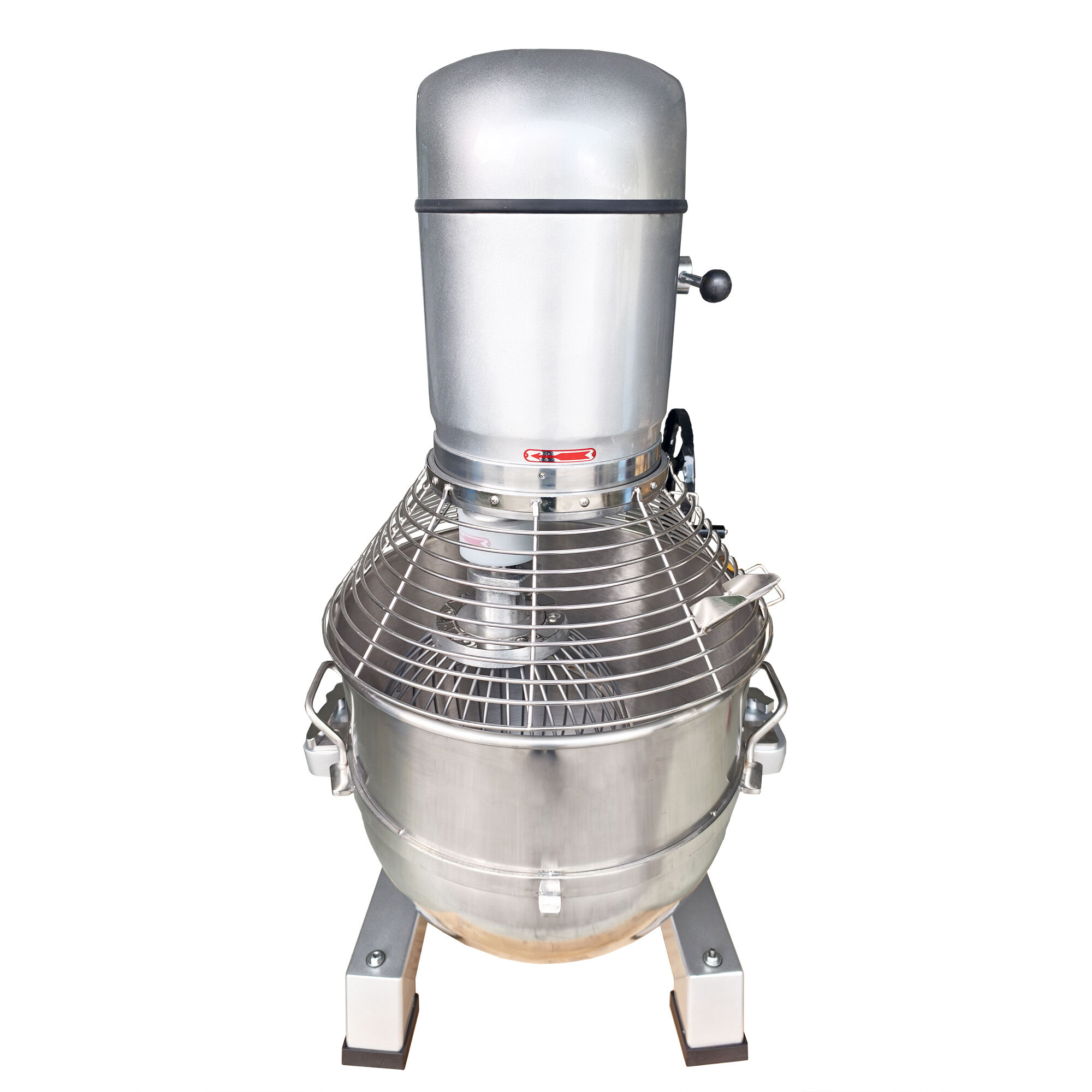
In the world of commercial baking and food production, efficiency and consistency are paramount to success. A dough mixer represents one of the most essential pieces of equipment for bakeries, restaurants, and food manufacturing facilities. Whether you're producing artisanal bread, pizza dough, or pastries, the right mixing equipment can transform your operations from labor-intensive manual processes to streamlined, professional-grade production systems. The investment in quality mixing technology not only enhances product quality but also significantly reduces labor costs and production time.
Enhanced Production Efficiency and Time Management
Automated Mixing Processes
Modern commercial dough mixers eliminate the need for manual kneading, which can be extremely time-consuming and physically demanding. Professional mixing equipment can handle large batches consistently, allowing bakers to focus on other critical aspects of production such as shaping, proofing, and baking. The automated nature of these machines means that multiple batches can be prepared simultaneously, dramatically increasing overall throughput.
The precision timing controls available on quality mixing equipment ensure that each batch receives exactly the right amount of mixing time. This eliminates guesswork and reduces the likelihood of over-mixing or under-mixing, which can compromise dough quality. Programmable settings allow operators to save specific mixing profiles for different recipes, creating repeatable processes that maintain consistency across production runs.
Scalability and Volume Management
Commercial mixing equipment offers unparalleled scalability for growing businesses. While manual mixing limits batch sizes to what a person can physically handle, professional mixers can accommodate significantly larger volumes. This scalability allows businesses to meet increasing demand without proportionally increasing labor costs or production time.
The ability to process larger batches also contributes to better inventory management and reduced waste. Consistent batch sizes make it easier to predict ingredient requirements and optimize purchasing schedules. This level of control over production volume directly translates to improved profitability and operational efficiency.
Superior Dough Quality and Consistency
Uniform Ingredient Distribution
Professional mixing equipment ensures thorough and uniform distribution of ingredients throughout the dough mass. The mechanical action of quality mixers creates consistent gluten development, which is crucial for achieving the desired texture and structure in baked goods. This uniform mixing is nearly impossible to achieve through manual methods, especially when working with larger batches.
The controlled mixing environment also prevents the incorporation of excess air or the development of hot spots that can occur with manual kneading. Temperature control during mixing is critical for yeast activity and gluten development, and professional equipment maintains optimal conditions throughout the mixing process. This level of control results in more predictable fermentation and better final product quality.
Reproducible Results
Consistency is the hallmark of professional baking operations, and a dough mixer provides the mechanical precision necessary to achieve reproducible results batch after batch. Unlike manual methods, which can vary based on operator technique and physical condition, mechanical mixing delivers the same results regardless of who operates the equipment.
This consistency extends to the final baked products, ensuring that customers receive the same quality experience every time they purchase from your establishment. Consistent product quality builds customer loyalty and brand reputation, which are invaluable assets in the competitive food service industry.
Labor Cost Reduction and Workplace Safety
Reduced Physical Strain on Workers
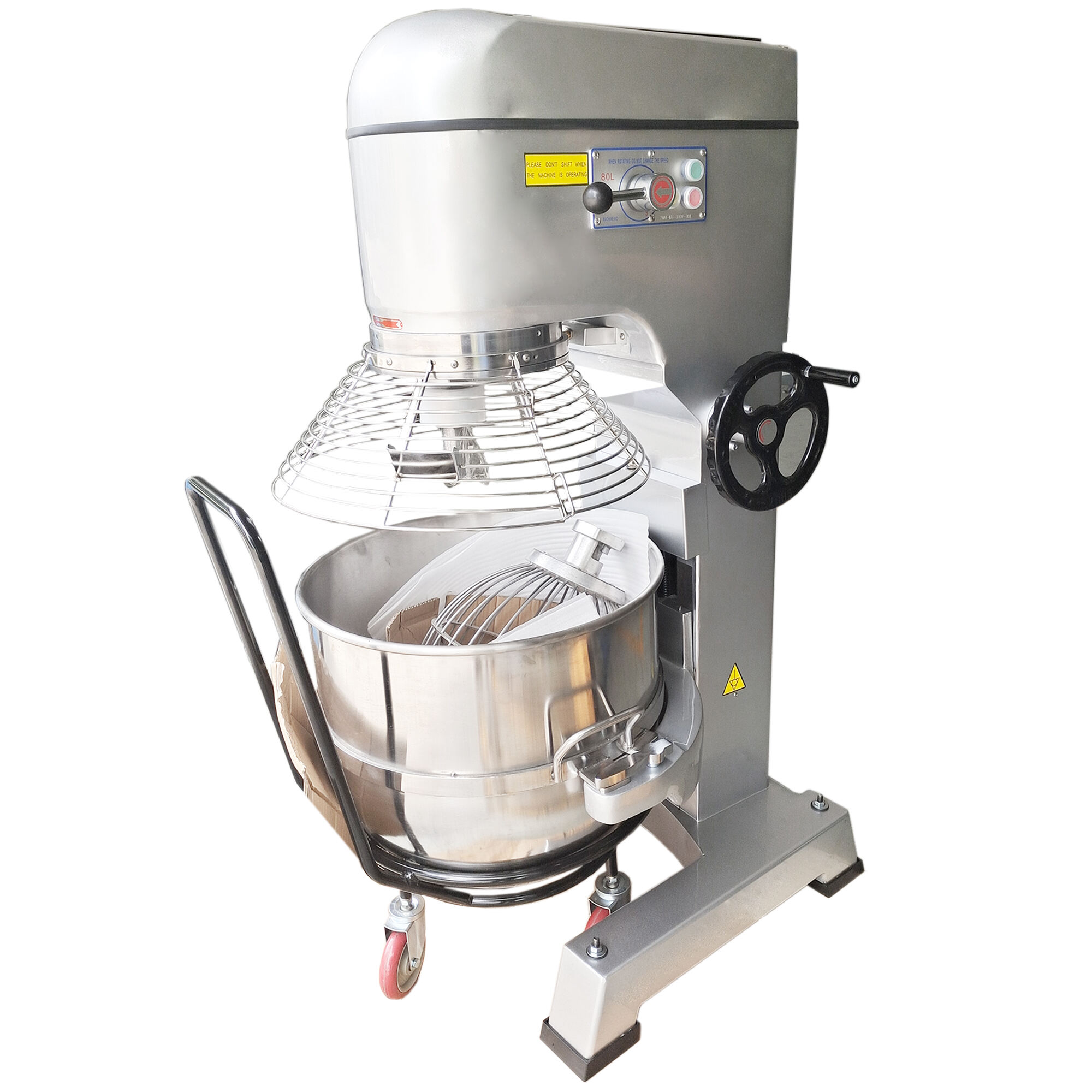
Manual dough preparation places significant physical demands on workers, particularly when dealing with stiff doughs or large batches. Repetitive kneading motions can lead to repetitive strain injuries, back problems, and general fatigue. Professional mixing equipment eliminates these physical demands, creating a safer and more comfortable work environment for staff.
By reducing the physical requirements of dough preparation, businesses can retain experienced workers longer and reduce turnover rates. The improved working conditions also make it easier to recruit qualified staff, as the job becomes less physically demanding and more focused on skill-based activities such as recipe development and quality control.
Optimized Labor Allocation
When mixing processes are automated, skilled bakers can focus their time and expertise on more value-added activities such as product development, decoration, and customer service. This optimization of human resources leads to better overall productivity and job satisfaction. Workers can develop specialized skills rather than spending hours on repetitive manual tasks.
The efficiency gains from mechanical mixing also allow businesses to operate with leaner staffing models without compromising production capacity. This flexibility is particularly valuable during peak seasons or when dealing with fluctuating demand patterns.
Hygiene and Food Safety Advantages
Contamination Prevention
Professional mixing equipment is designed with food safety in mind, featuring smooth surfaces that are easy to clean and sanitize. The enclosed mixing environment reduces the risk of contamination from airborne particles or direct hand contact with the dough. This is particularly important in commercial operations where food safety regulations are strictly enforced.
Stainless steel construction and removable components make thorough cleaning and sanitization straightforward and efficient. The ability to completely clean all surfaces that come into contact with food products is essential for maintaining HACCP compliance and preventing cross-contamination between batches or different products.
Temperature Control and Product Safety
Many commercial mixers include temperature monitoring and control features that help maintain optimal dough temperatures throughout the mixing process. Proper temperature control is crucial for food safety, as it prevents the growth of harmful bacteria while ensuring optimal yeast activity and gluten development.
The controlled environment provided by professional equipment also reduces the risk of foreign object contamination, which can occur more easily during manual mixing processes. This level of control is essential for maintaining product integrity and meeting food safety standards.
Cost-Effectiveness and Return on Investment
Long-Term Financial Benefits
While the initial investment in professional mixing equipment may seem substantial, the long-term financial benefits typically justify the expense within a relatively short period. Reduced labor costs, increased production capacity, and improved product quality all contribute to enhanced profitability. The ability to take on larger orders and meet tight deadlines can also lead to new business opportunities.
Quality mixing equipment is built to withstand the demands of commercial use and typically offers years of reliable service with proper maintenance. The durability of professional-grade equipment means that the cost per batch decreases significantly over time, making it a sound investment for serious commercial operations.
Energy Efficiency and Operational Costs
Modern mixing equipment is designed for energy efficiency, using advanced motor technology and optimized mixing actions to minimize power consumption. While manual mixing requires no electricity, the labor costs associated with hand mixing far exceed the energy costs of mechanical mixing when considering the time and effort required.
The precise control offered by professional equipment also reduces waste from batches that don't meet quality standards. Consistent mixing results mean fewer rejected batches and better utilization of expensive ingredients, contributing to overall cost reduction and improved profitability.
FAQ
What size dough mixer do I need for my bakery
The appropriate size depends on your daily production volume and the types of products you make. Small bakeries typically benefit from 20-40 quart capacity mixers, while larger operations may require 60-80 quart or larger units. Consider your peak production needs and allow room for growth when selecting capacity. Bowl mixers are versatile for various dough types, while spiral mixers excel specifically for bread and pizza dough production.
How often should commercial dough mixers be cleaned and maintained
Daily cleaning is essential for food safety and equipment longevity. Clean all surfaces that contact food after each use, and perform deep cleaning weekly. Professional maintenance should be scheduled quarterly or semi-annually depending on usage intensity. Regular lubrication of moving parts and inspection of belts, gears, and electrical connections will prevent costly breakdowns and extend equipment life.
Can dough mixers handle different types of dough consistencies
Quality commercial mixers are designed to handle a wide range of dough consistencies, from soft cake batters to stiff bread doughs. However, different mixer types excel with specific applications. Planetary mixers work well for varied consistencies, while spiral mixers are optimized for bread dough. Always check manufacturer specifications for capacity limits and recommended dough hydration levels to ensure optimal performance.
What safety features should I look for in a commercial dough mixer
Essential safety features include emergency stop buttons, safety guards over moving parts, and automatic shut-off when safety guards are opened. Look for equipment with non-slip bases, ergonomic controls, and clear operating instructions. Bowl guards and ingredient chutes should prevent accidental contact with moving parts. Ensure the mixer meets local electrical and safety codes and includes proper grounding for electrical safety.