
 EN
EN
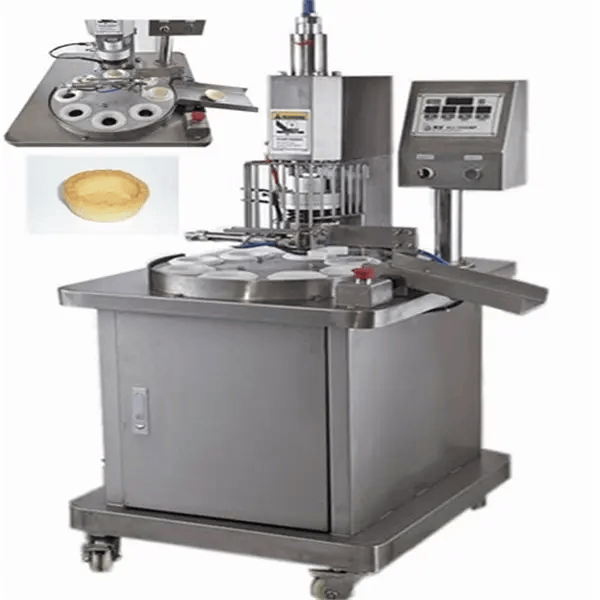
The quality of baked goods depends heavily on the precision and reliability of the equipment used in production. Professional bakers and commercial bakeries understand that investing in high-quality machinery directly impacts product consistency, texture, and overall customer satisfaction. Modern bakery operations require equipment that can handle demanding production schedules while maintaining the exact standards that customers expect from premium baked products.
Advanced Mixing Technology for Superior Dough Development
Precision Control Systems
Professional mixing equipment incorporates sophisticated control systems that monitor dough development throughout the mixing process. These systems ensure optimal gluten formation by adjusting mixing speeds and timing based on real-time feedback. Temperature sensors prevent overheating during extended mixing cycles, which can damage protein structures and compromise dough quality. The precision offered by commercial-grade mixers eliminates the guesswork that often leads to inconsistent results in traditional mixing methods.
Advanced mixing technology also includes variable speed controls that allow bakers to customize mixing profiles for different types of dough. Bread doughs require different mixing intensities compared to cake batters or pastry preparations. Professional equipment provides the flexibility needed to achieve optimal results across diverse product lines while maintaining consistent quality standards.
Bowl and Hook Design Innovation
The design of mixing bowls and attachments plays a crucial role in achieving uniform ingredient distribution and proper dough development. Ergonomic bowl shapes promote efficient ingredient circulation, ensuring that all components are thoroughly incorporated without creating dead zones where unmixed ingredients can accumulate. Specialized hook designs facilitate optimal gluten development while minimizing mixing time and energy consumption.
Modern mixing attachments feature enhanced durability through precision engineering and high-grade materials. These components withstand the mechanical stresses of commercial production while maintaining their shape and performance characteristics over extended periods. The reliability of these components directly translates to consistent product quality and reduced maintenance requirements.
Temperature Control and Fermentation Management
Consistent Heat Distribution
Professional ovens equipped with advanced heating elements and circulation systems ensure uniform temperature distribution throughout the baking chamber. This consistency eliminates hot spots that can cause uneven browning or texture variations across batches. Multi-zone heating controls allow bakers to create specific temperature profiles for different products, optimizing the baking process for various types of goods simultaneously.
Steam injection systems integrated into modern baking equipment provide precise humidity control during critical phases of the baking process. Proper steam application enhances crust development in bread products while maintaining moisture levels that contribute to superior crumb structure. These systems respond quickly to operator adjustments, allowing for real-time optimization based on environmental conditions or specific product requirements.
Automated Proofing Solutions
Controlled fermentation environments created by professional proofing equipment ensure optimal yeast activity and flavor development. These systems maintain precise temperature and humidity levels that promote consistent rising times and improved product characteristics. Automated controls reduce the risk of human error while allowing bakers to focus on other critical production tasks.
Professional proofing cabinets feature programmable cycles that can accommodate various types of dough with different fermentation requirements. The ability to create custom programs for specific products ensures reproducible results across multiple production runs. This consistency is essential for maintaining brand standards and customer expectations in commercial baking operations.
Production Efficiency and Workflow Optimization
Streamlined Operations
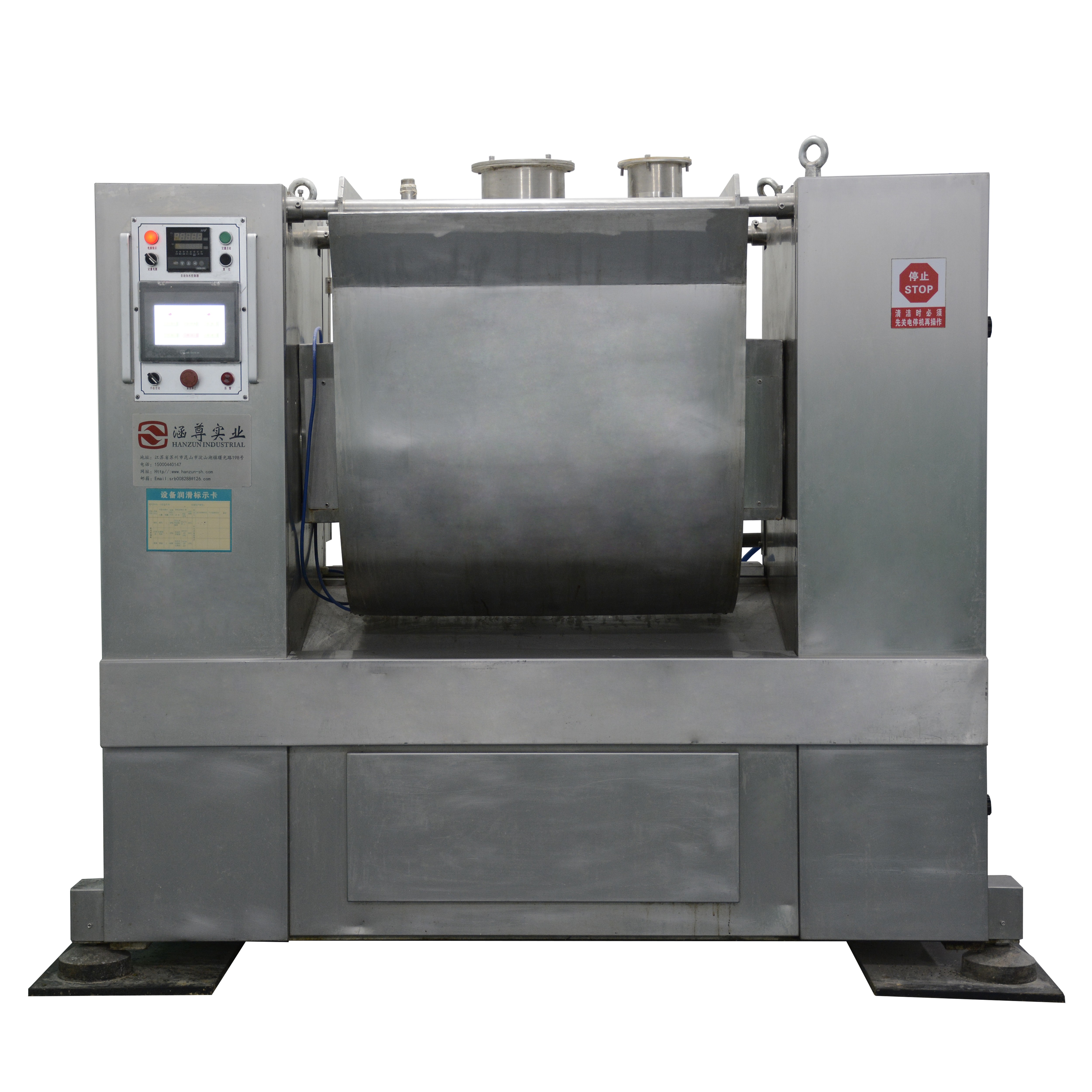
Modern bakery equipment integrates seamlessly into efficient production workflows, reducing handling time and minimizing opportunities for contamination or quality degradation. Hanzun bakery machines are designed with user-friendly interfaces that reduce training time and operator error while maximizing productivity. Intuitive controls and clear display systems enable staff to monitor multiple processes simultaneously without compromising attention to detail.
Automated features in professional equipment reduce labor-intensive tasks while improving consistency in product preparation. Timer systems, automatic shut-offs, and programmable cycles ensure that processes complete according to predetermined specifications regardless of operator availability. This automation capability is particularly valuable during peak production periods when manual oversight may be limited.
Scalability and Flexibility
Professional bakery equipment offers the flexibility needed to adapt to changing production demands and product offerings. Modular designs allow for capacity expansion without requiring complete equipment replacement, providing cost-effective growth solutions for developing businesses. Variable batch sizes accommodate both small specialty orders and large-scale production runs using the same equipment platform.
The versatility of modern bakery machines enables operators to diversify their product lines without significant additional investment. Equipment capable of handling multiple preparation methods and product types provides the foundation for menu expansion and market adaptation. This flexibility proves essential for maintaining competitiveness in dynamic market conditions.
Quality Assurance and Consistency Standards
Measurement Precision
Accurate measurement systems built into professional bakery equipment eliminate the variability associated with manual weighing and measuring. Digital scales integrated with mixing systems ensure precise ingredient ratios that directly impact final product quality. These systems often include recipe storage capabilities that allow operators to recall exact formulations for consistent reproduction of successful products.
Advanced measurement technologies also include volumetric dispensing systems for liquid ingredients, ensuring accuracy even with varying viscosities and temperatures. The elimination of measurement errors contributes significantly to product consistency and reduces waste from failed batches. This precision becomes increasingly important as production volumes increase and quality standards become more stringent.
Monitoring and Documentation
Modern bakery equipment incorporates data logging capabilities that track critical process parameters throughout production cycles. This information provides valuable insights into process optimization opportunities and helps identify potential quality issues before they impact finished products. Historical data analysis enables continuous improvement in production methods and equipment utilization.
Documentation features support quality assurance programs by providing detailed records of production conditions and process parameters. These records prove essential for troubleshooting quality issues and maintaining compliance with food safety regulations. The ability to demonstrate consistent process control enhances customer confidence and supports certification requirements.
Energy Efficiency and Environmental Considerations
Sustainable Operations
Energy-efficient design features in modern bakery equipment reduce operational costs while supporting environmental sustainability goals. Advanced insulation systems, efficient heating elements, and optimized circulation patterns minimize energy consumption without compromising performance. These improvements provide long-term cost benefits that justify initial equipment investments.
Smart energy management systems automatically adjust power consumption based on production requirements and environmental conditions. These systems reduce energy waste during idle periods while ensuring rapid response when production demands increase. The integration of energy monitoring capabilities allows operators to track consumption patterns and identify optimization opportunities.
Waste Reduction Strategies
Professional equipment designs minimize ingredient waste through improved mixing efficiency and precise portioning systems. Better ingredient incorporation reduces the need for additional mixing time and prevents over-processing that can degrade product quality. Accurate portioning systems ensure consistent product sizes while minimizing trim waste and off-specification products.
Advanced cleaning systems integrated into modern equipment reduce water and chemical consumption while maintaining sanitation standards. Automated cleaning cycles ensure thorough equipment sanitization with minimal manual intervention and optimal resource utilization. These systems support both operational efficiency and environmental responsibility in commercial baking operations.
FAQ
What factors should be considered when selecting professional bakery equipment
When selecting professional bakery equipment, consider production capacity requirements, product variety, available space, energy efficiency ratings, and maintenance requirements. Evaluate the equipment's ability to maintain consistent quality across different batch sizes and product types. Additionally, assess the manufacturer's reputation, warranty coverage, and local service support availability to ensure long-term reliability and performance.
How does equipment quality impact the consistency of baked goods
Equipment quality directly affects ingredient mixing uniformity, temperature control precision, and timing accuracy, all of which are critical for consistent results. High-quality equipment maintains stable performance characteristics over time, reducing variability between production runs. Professional-grade components resist wear and maintain calibration longer than consumer-grade alternatives, ensuring sustained quality output throughout the equipment's service life.
What maintenance practices help preserve equipment performance and product quality
Regular cleaning, lubrication, and calibration checks are essential for maintaining equipment performance and product quality. Follow manufacturer-recommended maintenance schedules and use only approved cleaning products and lubricants. Monitor equipment performance indicators and address minor issues promptly to prevent major problems that could compromise product quality or cause expensive repairs.
How can bakery equipment improve operational efficiency beyond product quality
Modern bakery equipment improves efficiency through automated controls, programmable cycles, and integrated monitoring systems that reduce manual labor requirements. Energy-efficient designs lower operational costs while consistent performance reduces waste from failed batches. Advanced equipment also enables staff to manage multiple processes simultaneously, increasing overall productivity and allowing skilled personnel to focus on value-added tasks.
Table of Contents
- Advanced Mixing Technology for Superior Dough Development
- Temperature Control and Fermentation Management
- Production Efficiency and Workflow Optimization
- Quality Assurance and Consistency Standards
- Energy Efficiency and Environmental Considerations
-
FAQ
- What factors should be considered when selecting professional bakery equipment
- How does equipment quality impact the consistency of baked goods
- What maintenance practices help preserve equipment performance and product quality
- How can bakery equipment improve operational efficiency beyond product quality